Concrete Parking Lots in Greenville
Concrete Parking Lots in Greenville, SC
Our concrete parking lot service area in Greenville, SC
We provide concrete parking lot services throughout Greenville, SC and the surrounding Upstate region. Our crews work across Greenville County and into neighboring areas including Mauldin, Simpsonville, Greer, Taylors, Fountain Inn, and Travelers Rest. Whether your property sits along the Woodruff Road corridor, near the Greenville-Spartanburg International Airport, or closer to downtown along Augusta Street or Wade Hampton Boulevard, we can reach your site quickly and get to work. We are available for commercial, municipal, and HOA projects of all sizes.
Common problems with aging or failing parking lots
A lot that was poured years ago may be showing cracks, surface scaling, settled panels, or poor drainage that sends water pooling toward your building entrance. These are not just cosmetic issues. Cracked or uneven concrete pavement creates trip hazards, invites water into the subbase, and can lead to much larger structural failures over time. If your lot is seeing heavy delivery trucks or frequent traffic, those problems tend to move faster. Whether you need concrete repairs on a few problem areas, full concrete resurfacing, or a complete tear-out and re-pour, understanding the root cause matters before any work begins. We take time to evaluate what is actually happening beneath the surface before recommending a path forward.
What we know about Greenville soil, weather, and local conditions
Greenville sits on the Piedmont Plateau, and the soils here behave differently than what you find in coastal South Carolina. The red clay and saprolite common across Greenville County can shift with moisture changes, which puts unusual stress on concrete slabs if the subgrade is not properly prepared and compacted. We have been working in this area for over 10 years and have seen firsthand how Piedmont soil conditions affect long-term performance. Greenville summers run hot and humid, which affects how concrete cures on the slab. We also get occasional freeze events in winter that can work against surfaces that were not finished or sealed correctly. These local conditions shape every decision we make around mix design, joint spacing, drainage slope, and surface treatment. A long term parking lot investment starts with understanding the ground you are building on, and in Greenville, that means taking the soil and climate seriously from day one.
Frequently asked questions about concrete parking lots in Greenville, SC
How long does a concrete parking lot last in Greenville?
A properly installed concrete parking lot in Greenville can last 30 years or more with routine maintenance. The key factors are subgrade preparation, correct slab thickness, mix design suited to local conditions, and proper joint placement.
How does concrete compare to asphalt for a parking lot?
When weighing asphalt vs concrete, concrete generally holds up better under heavy vehicles, requires less frequent maintenance, and tends to cost less over its full service life. Asphalt may have a lower upfront cost but typically needs resurfacing or patching more often, especially in high-traffic commercial settings.
What thickness do we recommend for a commercial parking lot?
For standard passenger vehicles, a 4-inch slab thickness may be sufficient on a well-prepared subbase. For lots that handle delivery trucks, dumpster service, or fire access lanes, we typically recommend a 6-inch slab thickness with appropriate reinforcement to handle the added load-bearing capacity demands.
Do we handle permits in Greenville County?
Yes. We coordinate with the Greenville County Building Codes Division and the City of Greenville Building Permits Office as needed depending on your project location. We also make sure your project meets local stormwater requirements and any applicable code standards.
Can you repair just part of a parking lot instead of replacing the whole thing?
In many cases, yes. Isolated cracking, spalled panels, or settled sections can sometimes be addressed through targeted concrete repairs or partial replacement. We assess each situation individually to give you an honest picture of what makes sense given the age and condition of your existing lot.
If you are ready to talk through a new installation, the next section covers what goes into building a concrete parking lot from the ground up.
New Concrete Parking Lot Installation
We have spent over 20 years pouring concrete and more than 10 of those years working on parking lot construction across Greenville, SC and the surrounding Upstate region. From the Woodruff Road corridor to Simpsonville and Greer, we understand what it takes to build a lot that holds up under real daily use. Whether you are putting in a new lot for a commercial property near Haywood Mall or replacing an aging surface near Verdae, this page walks you through exactly what we do and why it matters.
What Goes Into Building a New Concrete Parking Lot From the Ground Up
Building a concrete parking lot is not simply pouring concrete on bare ground. Every step from the first survey shot to the final joint seal affects how long your lot lasts and how well it performs. Concrete pavement done right is a long-term investment, and cutting corners at any stage shows up later as cracking, settling, or drainage problems. Here is a straightforward look at our process.
Site Preparation, Grading, and Subbase Work
Before any concrete is ordered, we evaluate your site carefully. Greenville sits on the Piedmont Plateau, and the red clay soils here are expansive and can have low bearing capacity. We measure CBR values and assess soil plasticity so we know exactly what we are working with. Weak or unstable subgrade gets removed or stabilized before we build up the base.
We typically install a compacted aggregate base course to a depth appropriate for your expected traffic loads, commonly a 12-inch subbase depth, compacted to 98% density using a vibratory roller and plate compactor. Where the soil is particularly poor, we may recommend geotextile fabric beneath the base to prevent fines from migrating up over time. A motor grader and GPS grade control help us hit accurate elevations before a single yard of concrete arrives on site.
Concrete Mix Design for Greenville Climate and Soil Conditions
Greenville summers are hot and humid, and we do get occasional freezing temperatures in winter. Both extremes matter when selecting your concrete mix. A standard commercial lot mix for this area typically calls for a minimum of 4000 psi compressive strength, a water-cement ratio at or below 0.45, and air content between 4 and 7 percent to handle freeze-thaw cycles without scaling.
We source ready-mix from trusted local suppliers and work with mixes that may include fly ash or slag cement as partial Portland cement replacements. These materials improve workability and long-term durability. We use retarding admixtures on hot days to control set time and prevent early stiffening before we can finish and joint the slab properly. On-site slump tests and cylinder samples verify that every load meets spec before it goes down.
Reinforcement Options: Rebar, Wire Mesh, and Fiber
The reinforcement you choose depends on your traffic patterns and load requirements. For heavy-duty concrete lots that see delivery trucks or frequent heavy vehicles, we often specify rebar, typically #4 or #5 rebar at 18 inches on center, placed at the correct depth in the slab. For lighter-use lots, welded wire reinforcement such as 6x6 W2.9 x W2.9 WWR is a practical option that controls cracking effectively when properly positioned.
We also use polypropylene fiber and steel fiber in mixes where added crack resistance or impact toughness is a priority. Fiber reinforcement does not replace structural rebar in heavy-load situations, but it reduces plastic shrinkage cracking and adds toughness to the finished slab. Dowel bars and tie bars are installed at joints and along edges to maintain load transfer between slabs and keep surfaces aligned over time.
Control Joints, Expansion Joints, and Proper Curing
One of the most common mistakes in parking lot construction is improper jointing. Concrete will crack as it cures and as temperatures change. Our job is to control where those cracks happen. We saw-cut control joints to a depth of one-quarter of the slab thickness, typically at 15 to 20-foot spacing depending on slab thickness and mix design. We use an early-entry dry-cut saw to hit the concrete at the right time window before random cracking can start.
Expansion joints are placed where the slab meets curbs, buildings, and other fixed structures. We fill these with expansion joint filler and seal them with polyurethane joint sealant to keep water and debris out. Proper curing is equally important. We apply an ASTM C309 curing compound or acrylic curing compound immediately after finishing to retain moisture in the slab during the early strength-gain period. A properly cured slab reaches its 28-day break strength as designed and resists surface dusting and scaling that come from rushing this step.
How We Handle Drainage and Stormwater on Your Lot
Standing water damages concrete over time and creates safety hazards for the people using your lot. We design surface slope and grading to direct water toward appropriate outlets, whether that means curb inlets, swales, or other stormwater controls that meet Greenville County Engineering Department and City of Greenville Public Works requirements. A minimum cross-slope keeps the surface draining without making the lot feel uneven underfoot.
Where sites and local regulations allow, permeable concrete is worth considering. It allows water to pass through the surface and into a prepared stone bed below, reducing runoff volume and helping with stormwater compliance. We can walk you through whether permeable options make sense for your specific location and soil conditions. Regardless of the surface type, we install proper edge details and grading to prevent erosion and undermining along the perimeter of the slab.
Once your new lot is in place, the next question most property owners have is what happens when sections begin to show wear, cracking, or settling over the years. That is exactly what we cover in the section below on concrete parking lot repair and restoration.
Concrete Parking Lot Repair and Restoration
Even a well-built concrete parking lot will eventually show wear. Greenville's Piedmont clay soils shift with moisture, summers get hot and humid, and the occasional hard freeze can open up minor cracks over time. The good news is that many problems can be addressed without tearing out the entire lot. With over 20 years of combined concrete experience and more than 10 years working across Greenville, we know how to read a parking lot and figure out what it actually needs.
Signs Your Parking Lot Needs Repair
Some warning signs are obvious. Others are easy to overlook until they become expensive. Here is what we look for when we walk a site:
- Cracks wider than a hairline, especially those running diagonally or following a pattern
- Spalling — surface flaking or pitting that exposes the aggregate below
- Settled or sunken slabs that create trip hazards or drainage problems
- Standing water after rain, which points to drainage or slope issues
- Joint filler that has failed, shrunk, or pulled away from the edges
- Edge breakage along curbs, islands, or wheel stops
If you are near a busy corridor like Woodruff Road or manage a property close to a high-traffic area, heavier vehicle loads can accelerate surface wear faster than you might expect.
Crack Repair and Patching Spalled or Pitted Surfaces
Not all cracks are equal. Narrow surface cracks are often sealed with a polyurethane joint sealant to keep water out and stop the crack from widening. Wider or more active cracks may need routing and filling before any surface treatment goes on top.
Spalled areas — where the surface has flaked away — are typically caused by freeze-thaw cycles, deicing salts, or poor curing during the original pour. We clean the damaged area, prepare the edges properly, and apply a compatible patching material. Skipping the prep work is the most common reason patches fail early, so we take that step seriously.
For surface texture that has worn smooth, a light broom finish or surface treatment can restore traction. This matters especially in areas where delivery trucks and heavy vehicles are braking frequently.
Addressing Settled or Sunken Slabs
Settlement is common in areas built over expansive clay or fill material — both of which show up regularly across Greenville County. When a slab drops below the surrounding surface, it creates a lip that is both a trip hazard and a water trap.
Depending on the cause and severity, we can lift and stabilize settled slabs using slab jacking techniques, or we can remove and re-pour the affected panels. Before we do either, we evaluate the subgrade. If the soil beneath has lost its bearing capacity, lifting the slab without addressing the base will only delay the same problem coming back.
Resurfacing and Overlay Options to Restore Appearance and Function
Concrete resurfacing is a practical option when the structure of the slab is still sound but the surface has become rough, stained, or worn. A bonded overlay gives the lot a fresh face without the cost and disruption of a full replacement. We use mix designs that bond well to the existing concrete and hold up under the kind of traffic typical of commercial properties in areas like Simpsonville, Mauldin, and Greer.
After resurfacing, applying a quality concrete sealant — such as a lithium silicate densifier or an acrylic curing and sealing compound — helps lock in the surface and extend service life. These products also make routine cleaning easier and reduce moisture penetration.
Decorative options like coloring or a broom finish can be added during resurfacing if curb appeal matters for your property.
When Repair Makes Sense Versus Full Replacement
Repair is usually the right call when damage is isolated to a section of the lot, the subgrade is stable, and the surrounding concrete still has good structural integrity. A 4000 psi slab with minor surface wear and a few working cracks often has years of service life left with the right maintenance.
However, when more than roughly a third of the surface shows widespread cracking, multiple slabs have settled, or the base has failed in several areas, continuing to patch becomes a losing battle. At that point, the cost of repeated concrete repairs starts to approach or exceed what a full replacement would cost — without giving you the performance or the lifespan of a new lot.
We will always give you an honest assessment of which path makes more financial sense for your situation. If the damage has reached the point where repair is no longer the right answer, the next step is a full demolition and replacement — and that process has its own set of considerations worth understanding.
A few years back, we took on a concrete parking lot job for a shopping center off Woodruff Road. It was one of the bigger projects we had tackled in Greenville, and it came with a problem we did not see coming.
About two days into the pour, we hit a massive patch of red clay soil that was far softer than the soil tests had shown. If you know anything about Upstate South Carolina, you know our red clay can be unpredictable. In some spots it holds up well, and in others it shifts and settles in ways that can crack a parking lot within a year or two.
We had to stop the job and bring in extra compaction equipment. We also had to go deeper with our base layer than we originally planned. That meant more crushed stone, more time, and a tough conversation with the property owner about the adjusted timeline.
What made it harder was that several businesses were waiting to open, and every extra day cost the client real money. We worked longer hours and brought in an additional crew so we could finish as close to the original schedule as possible.
In the end, the parking lot came out solid and has held up through several Greenville summers without a single crack. That job taught us to always account for what might be hiding beneath the surface, no matter how good the early reports look. When you hire us, that kind of hard-earned experience comes with every project we take on.
Full Demolition and Replacement
When a Full Demo and Re-Pour Is the Right Call
Sometimes patching and resurfacing are not enough. If your parking lot has widespread cracking, significant settling, or structural failure through the slab, a full replacement is often the more practical path. We see this often in older lots across Greenville where the original concrete pavement was poured without proper subgrade preparation or reinforcement. The red clay and expansive soils common to the Piedmont Plateau area can shift over time, causing slabs to heave, sink, or break apart in ways that surface-level concrete repairs simply cannot fix. If the damage runs deep, rebuilding from the ground up gives you a lot that will actually last.
What the Demolition and Removal Process Looks Like
We start by breaking up the existing slab using hydraulic breakers and equipment like a bobcat skid steer to clear the pieces efficiently. Depending on the size of your lot and site access, we may also bring in a dozer or additional equipment to move broken concrete to a staging area. We take care to protect surrounding curbs, utilities, and any landscaping that is staying in place. The process moves steadily, and we coordinate staging so that if portions of your lot need to stay open during demolition, we can plan the work in phases.
Recycling and Disposal of Old Concrete
Broken concrete does not have to end up in a landfill. Crushed concrete can be recycled and reused as base material in road construction and other projects. This makes full replacement a reasonably eco-friendly paving option compared to what many property owners expect. We work with local disposal and recycling contacts in the Greenville area to handle old material responsibly. If your project is near areas like the Woodruff Road corridor or along major routes like I-85 or I-385, logistics for hauling and disposal are generally straightforward.
Re-Pouring Your Lot with Updated Specs and Materials
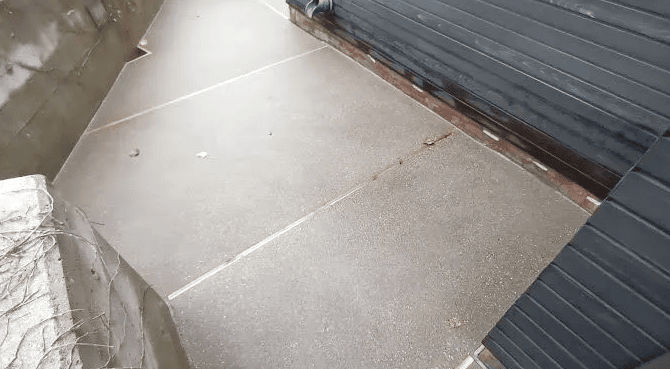
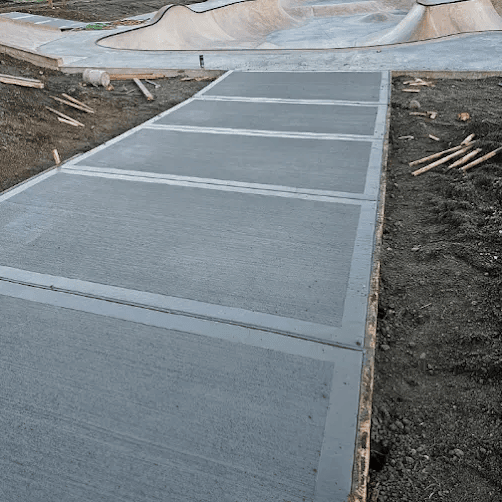
Once the old slab is out and the subgrade is exposed, we evaluate the soil conditions before we do anything else. Greenville's Piedmont soils often include red clay and saprolite, which require proper compaction testing to confirm adequate bearing capacity. We typically target 98% compaction and may recommend a compacted aggregate base course, sometimes 12 inches deep, depending on what the CBR results show. From there, we design the new slab to match your actual traffic needs. A standard commercial lot often calls for a 6-inch slab thickness using a 4000 psi or 4500 psi mix, with reinforcement like #4 or #5 rebar or welded wire reinforcement placed correctly within the slab. We use mix designs with the right water-cement ratio and admixtures suited to Greenville's climate, including options like fly ash from suppliers such as CEMEX Greenville or Argos USA to improve long-term durability. Proper joint spacing, typically every 15 to 20 feet, is saw-cut at the right time using an early-entry dry-cut saw to control cracking before it starts. We also apply an appropriate curing compound to protect the surface as it gains strength toward the 28-day break target.
A properly rebuilt lot gives you updated load-bearing capacity, better surface drainage, and a clean surface profile that the original installation likely never had. That foundation matters even more when the next step is planning for heavy vehicles and truck traffic.
Load Capacity and Heavy Vehicle Planning
Why Load-Bearing Capacity Matters for Commercial Parking Lots
Not all parking lots carry the same weight. A lot that handles passenger cars every day is very different from one that sees delivery trucks, garbage haulers, or fire apparatus on a regular basis. When the load-bearing capacity of a slab is not matched to actual traffic, you end up with cracking, settling, and early failure. We have seen this happen across commercial properties along Woodruff Road and the I-85 corridor, and it almost always traces back to underbuilt slabs or poorly prepared subgrades.
Greenville's Piedmont soil, which includes a good amount of red clay and expansive subsoils, can shift with moisture changes. That movement transfers stress directly into your slab. Before we pour anything, we evaluate subgrade conditions and target at least 98% compaction on a properly built base course. Getting that foundation right is what separates a parking lot that lasts 30 years from one that starts showing problems in five.
Thickness Recommendations for Delivery Trucks and Heavy Traffic
For standard passenger vehicle lots, a 4-inch slab thickness with quality reinforcement is often workable. But for commercial parking lot construction that handles delivery trucks, box trucks, or frequent heavy vehicles, we typically move to a 6-inch slab thickness with 4000 to 4500 psi compressive strength concrete. In areas where semi-trucks or heavy equipment will be present, we go further and evaluate the design against AASHTO load standards and ACI 330R guidelines.
Reinforcement matters just as much as thickness. We use rebar, welded wire reinforcement, or a combination depending on the load demands and soil conditions. For heavier zones, #4 or #5 rebar at 18 inches on center gives the slab the tensile support it needs to resist flexural stress. The concrete mix itself also plays a role. We use a water-cement ratio around 0.45 or lower, and we work with local suppliers like Vulcan Materials Greenville and CEMEX Greenville to source consistent, well-graded mixes that meet ASTM C94 standards.
How We Design for High-Use Areas Like Loading Zones and Drive Aisles
Drive aisles and loading zones take concentrated, repetitive stress that the rest of a lot rarely sees. We treat these areas differently during the design phase. Joint spacing is tightened, slab thickness is increased, and we often add dowel bars at transverse joints to transfer load across panels without allowing one panel to drop relative to another.
We also look closely at surface drainage in these zones. Standing water weakens subgrades over time, so we design positive slope into every drive aisle and loading dock approach. A laser screed helps us hold tight tolerances on grade and surface texture during placement. That combination of structural depth, proper reinforcement, and controlled drainage is what gives a high-use commercial lot the durability it needs for years of heavy-duty concrete pavement performance.
Once the structural side of your lot is designed for the loads it will carry, the next step is making sure every person who uses it can do so safely and legally. That means looking carefully at ADA compliance and how accessible parking is laid out across your site.
ADA Compliance and Accessible Parking
What ADA Requirements Apply to Concrete Parking Lots in South Carolina
If you own or manage a commercial property in Greenville, ADA compliance is not optional. The ADA Standards for Accessible Design apply to any parking lot that serves the public, and that includes new builds, expansions, and renovations. In South Carolina, these federal standards work alongside local requirements from the City of Greenville Building Permits Office and the Greenville County Building Codes Division. Together, they set the rules for how many accessible spaces you need, where they go, and how they connect to your building. When we work on parking lot construction for businesses near Woodruff Road, Haywood Mall, or anywhere along the I-385 corridor, we build ADA compliance into the plan from day one rather than treating it as an afterthought.
Accessible Stall Layout, Dimensions, and Signage
The number of accessible stalls your lot requires depends on your total parking count. A standard accessible stall must be at least 8 feet wide with a 5-foot access aisle beside it. Van-accessible stalls require either an 8-foot aisle or an 11-foot-wide stall. We lay these out during the parking lot design phase so the dimensions work with your overall lot geometry. Signage must be mounted at the correct height and include the International Symbol of Accessibility. We coordinate signage, striping, and stall placement together so nothing gets overlooked when the Greenville County Building Codes Division comes out for inspection.
ADA-Compliant Ramps, Curb Cuts, and Connecting Pathways
Accessible stalls are only part of the picture. The path from a parking space to your building entrance has to meet ADA requirements too. That means curb cuts and ramps built to the correct slope, which is generally no steeper than 1:12, with a landing at the top and bottom. The surface texture on ramps matters as well. A broom finish applied in the right direction gives traction without creating a tripping hazard. Detectable warning surfaces, the raised truncated dome sections at the base of ramps, are required at transitions from the ramp to the vehicle travel lane. With Greenville's red clay and expansive subgrade soils, we also make sure these transition areas are properly supported underneath so they stay level over time and do not settle away from the adjoining pavement.
How We Help You Stay Up to Code During New Builds and Renovations
With over 20 years of combined experience pouring concrete and more than 10 years working across Greenville County, we have been through the permitting and inspection process many times. We pull permits through the appropriate local office, whether that is the City of Greenville Building Permits Office or the Greenville County Building Codes Division, and we schedule inspections at the right stages of the work. For renovations, we review your existing lot to identify what needs to change to bring it into compliance before we break ground. Getting ADA details right during construction costs far less than correcting them after the fact.
Once accessible stalls, ramps, and pathways are set, the surrounding lot features need to work with them. That brings us to curbs, islands, sidewalks, and the other structural elements that shape how your parking lot functions as a whole.
Greenville Concrete Contractors With Local Know-How
We are a concrete contractor based in Greenville, SC, and we have been pouring and finishing concrete in this area for over 10 years. Our crew brings more than 20 years of combined hands-on experience to every job, from small residential repairs to large commercial pours.
Working in Greenville means we know this area well. We understand the local soil conditions, the humidity that comes with South Carolina summers, and how the seasonal temperature swings here can stress a concrete surface if the mix and curing process are not handled correctly. That kind of local knowledge matters on every job we take on, whether we are installing a driveway in Simpsonville, a pool deck in Taylors, or a commercial slab in downtown Greenville.
We handle the full range of concrete work. That includes driveways, patios, garage floors, pool decks, sidewalks, foundations, retaining walls, stamped and decorative concrete, concrete cutting and removal, resurfacing, sealing, and staining. We also work on commercial and industrial projects, including parking lots, warehouse floors, and ADA-compliant ramps and sidewalks.
When you hire us, you get a crew that shows up prepared. We handle permits, site prep, forming, pouring, finishing, and cleanup. We carry insurance and stand behind our work with a written warranty. You will know exactly what is included before we start, and we keep you informed throughout the project.
If you have a concrete project coming up and want to know what it will take to get it done right, we are glad to come out, take a look, and give you a free estimate.
Curbs, Islands, Sidewalks, and Lot Features
Concrete Curbing Styles and Where They Are Used
A well-built parking lot does more than just provide a place to park. The edges, borders, and transitions you choose affect how water moves, how vehicles behave, and how long your pavement lasts. We install several types of concrete curbing depending on what your property needs. Barrier curbs are tall and vertical, designed to keep vehicles from leaving the paved surface entirely. Roll curbs have a sloped face that allows vehicles to cross when needed, which is common at driveways and loading areas. Mountable curbs sit low and are used around landscaping islands where foot traffic and slow-moving vehicles share space. Around Greenville properties near high-traffic corridors like Woodruff Road or Laurens Road, the right curb type makes a real difference in how your lot holds up over time. We use concrete mixes that meet the same strength standards as the rest of your slab so curbs do not become the weak point in your parking lot construction.
Parking Islands, Wheel Stops, and Vehicle Guides
Parking islands break up large paved areas and give drivers clear signals about where to go. They also protect landscaping, light poles, and utility fixtures from vehicle contact. We form and pour islands as part of the overall slab pour when possible, which creates a stronger bond than adding them later. Wheel stops are set at the head of parking stalls to keep front bumpers from overhanging sidewalks or planting areas. They are especially useful in compact lots where every inch of clearance matters. Vehicle guides, sometimes called curb guides or wheel guides, are placed along drive lanes to keep traffic moving in the right direction. Together, these features reduce the chance of fender damage, pedestrian conflicts, and surface wear caused by vehicles driving over areas not designed for it. On Greenville's Piedmont soil, where subgrade conditions can shift with moisture, keeping vehicles on properly supported surfaces protects your investment.
Connecting Sidewalks and Pedestrian Pathways
Pedestrian paths connect your parking lot to your building entrance, neighboring sidewalks, and public rights-of-way. We plan these connections during the design phase so they tie in smoothly with the rest of your concrete pavement rather than being added as an afterthought. ADA Standards for Accessible Design require specific slopes, widths, and surface textures at accessible routes, curb ramps, and transition points. We are familiar with what the City of Greenville Building Permits Office and Greenville County Building Codes Division expect on commercial projects, and we build those requirements into the layout from the start. Sidewalks poured alongside a parking lot use the same quality materials, including properly placed rebar and control joints at correct spacing, so they move and perform in line with the rest of the slab.
How These Features Improve Safety and Traffic Flow on Your Property
Curbs, islands, wheel stops, and sidewalks are not decorative. Each one serves a specific function in guiding people and vehicles safely through your property. When these features are missing or poorly placed, vehicles end up in unexpected spots, pedestrians walk through drive lanes, and surface drainage gets disrupted. Proper surface drainage depends in part on curbing that directs water toward intended outlets rather than letting it pond against building foundations or spill across pedestrian paths. We use a laser screed and total station during layout to hit the elevations and grades needed for positive drainage across every section of the lot. By the time your lot is finished, the full layout including curbs, islands, sidewalks, and drive lanes works together as one coordinated system. That coordination carries over into the surface itself, where the right finishes and protective treatments keep everything performing well for years to come.
Sealers, Coatings, and Protective Finishes
Why Sealing Your Concrete Parking Lot Matters
Greenville's climate puts real stress on concrete pavement. Hot, humid summers, occasional freezing temperatures, and heavy rain all work against an unprotected surface over time. Without a sealer, water works its way into the surface, oil and chemicals from vehicles break down the paste, and the slow cycle of wet and dry starts to cause scaling and cracking. A good sealer closes off those pathways and keeps your lot looking and performing the way it should for years longer than an unsealed surface would.
Types of Sealers and How to Choose the Right One
We work with several types of sealers depending on what the surface needs. A sodium silicate sealer or lithium silicate densifier works from the inside out, reacting with the concrete itself to harden and tighten the surface without changing how it looks. These are a strong choice for lots that see heavy use and need a low-maintenance, natural finish. Acrylic and curing and sealing compounds sit on top of the surface and offer solid moisture protection, and they come in matte or slight sheen finishes. Penetrating sealers are a good fit for lots near the Reedy River or other low areas where standing water is a concern, since they resist moisture without trapping vapor. The right pick depends on your traffic type, the age of the slab, and what the lot is used for. We look at all of that before we recommend anything.
Epoxy Coatings and Their Benefits for Commercial Lots
For commercial properties along busy corridors like Woodruff Road or Laurens Road, where delivery trucks and high vehicle counts are the norm, an epoxy coating system adds a layer of protection that standard sealers cannot match. Epoxy bonds tightly to the slab, resists oil, fuel, and chemical penetration, and holds up well under concentrated loads. It also improves surface texture, which means better traction in wet conditions. Many of our commercial clients pair epoxy coatings with clear striping layouts and colored zones to improve how traffic moves through the lot. It is a practical upgrade that also adds to how the property presents itself.
How Often to Reseal and What to Expect from Each Application
Most concrete parking lots benefit from resealing every three to five years, though that window shifts depending on traffic volume, sun exposure, and whether the lot has been properly maintained in between. We check joint condition, look for any concrete repairs that need to happen before a new coat goes down, and test the surface to make sure it will accept the sealer correctly. Applying sealer over a dirty, cracked, or contaminated surface wastes material and shortens the life of the coating. When done right, each application restores moisture resistance, slows surface wear, and extends the overall life of the slab. As part of a broader parking lot maintenance plan, resealing is one of the most cost-effective steps you can take. If the surface has worn down beyond what a sealer can address, we can also walk you through concrete resurfacing options before we get into the decorative side of what we offer.
Decorative Finish Options
Broom Finish as the Standard for Parking Lots
Most commercial parking lots we pour in Greenville get a broom finish. After we screed and float the slab, we drag a stiff-bristled broom across the surface while the concrete is still workable. This creates a series of shallow grooves that give tires something to grip, which matters on a busy lot where vehicles are turning and braking in the same spots day after day. The surface texture is consistent, easy to stripe over, and holds up well under the kind of traffic you see along Woodruff Road or near Haywood Mall. It is the most practical choice for most properties, and it costs less to apply than any decorative alternative.
Exposed Aggregate for Texture and Appearance
If you want more visual interest without going too far, exposed aggregate is worth considering. We apply a surface retarder after placement, then wash and brush away the top layer of paste once the slab reaches the right set. What remains is a clean face of coarse aggregate that shows the natural stone underneath. The texture is rougher than a broom finish, which can actually improve traction, and the appearance tends to fit well on properties near areas like Augusta Road or Verdae Boulevard where curb appeal carries more weight. It does require slightly more care during installation, but the result is a durable surface that holds its look for many years.
Stamped Concrete and Colored Concrete for Branded or Upscale Properties
Stamped and colored concrete are options we use when a property owner wants the lot to match a building's look or reinforce a brand identity. We can press patterns into the surface before it sets, or work integral color into the mix using pigments that go all the way through the slab. Properties near the Peace Center, Hollingsworth Park, or Hartness developments sometimes call for this level of finish. One thing to keep in mind is that stamped concrete in a parking lot setting requires a sound joint layout and good load planning. Decorative finishes do not change the structural requirements, so we still design the slab to handle the loads your lot will see.
How Decorative Finishes Hold Up Under Heavy Traffic and Greenville Weather
Greenville's climate puts real stress on finished concrete. Hot, humid summers and occasional winter freezes can work on surface treatments if they were not applied correctly. We use a proper acrylic curing compound or curing and sealing compound right after finishing to lock in moisture and protect the surface during the early strength gain period. For lots that will see heavy use, we also discuss concrete sealants with property owners after the slab has fully cured. A lithium silicate densifier, for example, can harden the surface layer and reduce dusting or scaling over time. Piedmont clay soil and the freeze-thaw cycles we get here mean the slab underneath the finish has to be built right, too. Air entrainment, the correct water-cement ratio, and proper joint spacing all protect your investment regardless of what the surface looks like on top. Once we have finished talking through your finish options, the next step is making sure your project meets all local permit and inspection requirements before work begins.
Permits, Inspections, and Local Code Compliance
Before we pour a single yard of concrete, we make sure your project is properly permitted and set up to pass inspection. After more than 10 years working on parking lot construction across Greenville County, we know how local requirements work and what reviewers look for. Getting this right from the start saves you time, money, and headaches down the road.
What Permits Are Typically Required for Parking Lot Work in Greenville, SC
Most commercial parking lot projects in Greenville require permits through the City of Greenville Building Permits Office or the Greenville County Building Codes Division, depending on where your property sits. If your lot connects to a state road such as Woodruff Road, Wade Hampton Boulevard, or Pleasantburg Drive, you may also need an encroachment permit through the South Carolina Department of Transportation Greenville District Office. Projects in Mauldin, Simpsonville, or Greer go through their own municipal departments, each with slightly different submittal requirements.
Beyond the building permit, most commercial projects trigger a stormwater review. Greenville County and the City both enforce land disturbance rules that require you to control runoff and erosion during construction. If your lot is large enough or drains toward the Reedy River or Brushy Creek watersheds, a more detailed stormwater management plan may be required. We prepare the documentation you need and submit it correctly the first time.
How We Coordinate Inspections and Approvals on Your Behalf
We handle permit applications, plan submittals, and inspection scheduling so you are not chasing paperwork while trying to run your business. Once permits are approved, we coordinate with the local inspector at each required stage, which typically includes subgrade preparation, base compaction, and finished concrete placement. We keep records of on-site quality checks such as slump tests and air content measurements that align with ASTM C143 and ASTM C231, and we retain cylinder samples for 28-day break results if your project requires documented strength verification at 4000 psi or higher. If an inspector has questions or requests adjustments, we respond directly so the process does not slow down your schedule.
Local Codes and Zoning Considerations for Commercial Properties
Greenville County and city zoning rules govern how many parking spaces your property must provide, how they must be laid out, and where they can be located relative to property lines and drainage easements. ADA Standards for Accessible Design require a specific number of accessible stalls based on your total lot size, along with compliant curb ramps, slopes, and signage. We design your layout to meet those requirements from the beginning rather than retrofitting after the fact, which is both costly and disruptive. Fire lane widths, load-bearing requirements for emergency vehicles, and surface drainage slopes are also part of what we review before finalizing your parking lot design.
With code and permitting requirements squared away, the next step is mapping out a clear project timeline, planning how we stage the work to limit disruption to your property, and putting the right site safety measures in place.
Project Timeline, Staging, and Site Safety
How Long a Concrete Parking Lot Project Takes From Start to Finish
Most commercial parking lot construction projects in Greenville run anywhere from one to four weeks, depending on the size of the lot, site conditions, and weather. Before we ever pour a single yard of concrete, there is prep work that takes time. We need to pull permits through the City of Greenville Building Permits Office or the Greenville County Building Codes Division, depending on where your property sits. After that, we handle demolition if needed, subgrade work, and base course installation. On Greenville's Piedmont soil and red clay, proper subgrade prep is not something we rush. We compact the base to 98% and verify bearing capacity before forms ever go down. Once concrete is placed, the finishing and joint-cutting phase follows, and then curing begins. From your first call to a finished, open lot, you should plan for two to six weeks total when you factor in permitting lead times.
Phased Construction to Keep Your Business Operating During the Project
We understand that closing your entire lot for weeks is not realistic for most businesses along busy corridors like Woodruff Road or Pleasantburg Drive. That is why we plan phased pours whenever the lot size and layout allow it. We divide the project into sections, complete one phase at a time, and leave enough parking available so your customers and employees can still access the property. We work with you ahead of time to map out which areas get poured first and how traffic will move through the site during construction. Good parking lot design at this stage saves a lot of headaches. We place temporary signage and barriers to guide people safely around active work zones, and we coordinate pour schedules to minimize disruption during your busiest hours.
Site Safety Measures We Use to Protect Your Property and Customers
Safety on an active commercial site takes planning. We use clearly marked barricades and barrier tape around all work zones, and we install silt fences and concrete washout containment to stay in line with local stormwater rules. Our crews hold OSHA 30 Construction certification, so everyone on site understands hazard identification and safe work practices. We coordinate with you to make sure pedestrians, especially anyone using accessible routes near ADA-compliant stalls and ramps, are routed safely around any open work. Equipment like our motor grader, vibratory roller, and concrete pump truck takes up space, and we plan staging areas carefully so heavy equipment does not damage curbs, utilities, or adjacent pavement on your property.
Curing Time and When You Can Reopen the Lot to Traffic
Concrete gains strength over time. A properly mixed slab using a 4000 psi or 4500 psi mix with an ASTM C309 curing compound will reach enough strength for passenger vehicles in about seven days under normal Greenville summer conditions. We do not recommend opening to heavy trucks or delivery vehicles until the 28-day break confirms full design strength. Rushing that window is one of the most common reasons newly poured lots develop early surface damage. We apply a curing and sealing compound right after finishing to slow moisture loss, which is especially important during the hot, humid summers we see here in the Upstate. If your project has a tight reopening deadline, we can discuss mix designs that use accelerating admixtures to shorten the timeline while still meeting strength requirements.
Once your lot is cured, open, and performing the way it should, the next decision many property owners face is whether concrete was the right choice compared to asphalt. Understanding how these two materials stack up in real-world performance is worth a close look.
Concrete vs. Asphalt for Parking Lots
When you are planning a new parking lot for your Greenville property, one of the first decisions you will face is whether to go with concrete or asphalt. Both materials can work well, but they perform differently depending on your traffic load, budget, and how long you plan to hold the property. We have poured concrete across Greenville County for over a decade, and we want to give you a straightforward look at how these two options stack up so you can make the right call for your situation.
How Concrete and Asphalt Compare on Upfront Cost
Asphalt almost always costs less per square foot upfront. That is a real advantage if your budget is tight right now. Concrete pavement typically runs higher at installation because the materials, forming, reinforcement, and curing all require more labor and time. However, that higher starting number does not tell the whole story. When we pour a commercial lot to proper spec, using a 4000 psi or higher mix with the right base preparation, you are buying a surface that is designed to last 30 or more years with minimal intervention. Asphalt may get you started for less, but the gap closes faster than most property owners expect once you factor in ongoing costs.
Long-Term Maintenance Differences in the Greenville Climate
Greenville's climate puts real stress on paved surfaces. Summers here are hot and humid, and we see enough freeze-thaw cycles in winter to cause problems for surfaces that were not built correctly. Asphalt softens in heat, which is a consistent issue along busy corridors like Woodruff Road or Laurens Road where vehicles sit and idle for long periods. That softening leads to rutting, raveling, and surface distortion over time. You will need to budget for sealcoating every few years and periodic patching to keep an asphalt lot in reasonable shape.
Concrete holds up better in both heat and cold when it is mixed and cured correctly. We use air entraining admixtures and retarding admixtures calibrated for local summer pours to protect against the expansion and contraction that comes with Greenville's seasonal swings. Properly placed concrete sealants, such as a lithium silicate densifier or a sodium silicate sealer applied after curing, further extend the surface life and reduce the chance of scaling. The result is a surface that needs far less attention year to year compared to asphalt.
Load Performance, Surface Retention, and Lifespan Side by Side
If your lot will see delivery trucks, waste haulers, or regular heavy vehicle traffic, heavy-duty concrete has a clear edge. The load-bearing capacity of a properly reinforced concrete slab, whether we use rebar, welded wire reinforcement, or fiber reinforcement depending on the application, means the surface profile stays consistent under repeated concentrated loads. Asphalt can deform and develop ruts under those same conditions, especially during warm months.
On the question of lifespan, a well-built concrete lot typically lasts 30 to 40 years before major work is needed. Asphalt lots in this climate often need resurfacing or significant concrete repairs equivalent work within 15 to 20 years. Surface texture also holds longer in concrete. A broom finish applied correctly gives you reliable traction through years of traffic, rain, and the occasional ice event without the surface texture wearing away the way asphalt aggregate can.
For properties near the Reedy River or in areas with stormwater management requirements, permeable concrete is worth considering. It allows water to pass through the slab and into a prepared stone base, which can reduce runoff, help meet local stormwater rules, and protect surrounding green space. The Greenville County Engineering Department has specific requirements around surface drainage and impervious area that permeable systems can help you satisfy.
Which Option Makes More Sense for Your Property Type and Budget
Asphalt may make sense if you have a tight upfront budget and a shorter planning horizon, or if your lot will see light traffic and you are comfortable with a regular maintenance schedule. Concrete tends to be the better fit for commercial properties, HOA common areas, facilities near Haywood Mall or along the I-85 and I-385 corridors, and any site that handles heavy vehicles or high daily traffic counts. Durable surfaces matter more on those sites, and concrete delivers them consistently.
We work with property owners across Greenville, Mauldin, Simpsonville, Greer, and surrounding areas to evaluate both options honestly based on your soil conditions, drainage requirements, expected traffic, and budget. Understanding what each material will actually cost you over the life of the lot is the starting point for a good decision, and that brings us to what you really need to know about concrete parking lot pricing in Greenville.
Cost and Estimates for Concrete Parking Lots in Greenville, SC
With over 20 years of combined experience pouring concrete and more than 10 years working specifically in Greenville, we understand that cost is one of the first things on your mind. Pricing a concrete parking lot is not as simple as quoting a flat rate per square foot. Several factors come into play, and we want to walk you through what actually drives the numbers so you can plan your budget with confidence.
What Affects the Cost Per Square Foot of a Concrete Parking Lot
The total cost of parking lot construction depends on site conditions, design requirements, and material choices. Greenville sits on the Piedmont Plateau, where red clay and expansive soils are common. Before any concrete is poured, we evaluate your subgrade and may need to bring in a compacted aggregate base course to achieve adequate bearing capacity. Poor soil preparation is a leading cause of cracking and settling, so we do not skip this step.
Slab thickness also plays a significant role. A standard passenger vehicle lot may call for a 4-inch slab thickness, while a lot that sees delivery trucks, heavy equipment, or frequent large vehicle traffic typically requires a 6-inch slab thickness with #4 or #5 rebar at 18 inches on center. The concrete mix itself matters too. We commonly specify a 4000 psi compressive strength mix with a controlled water-cement ratio and an air entraining admixture suited to Greenville's occasional freeze-thaw cycles. These decisions directly affect your material costs.
Other factors that influence cost include lot size and shape, drainage requirements, ADA-compliant ramp and stall layout, curb installation, joint saw cutting, and any decorative surface texture options you choose. When comparing asphalt vs concrete, concrete typically costs more upfront but delivers a lower total cost of ownership over time because it holds its surface profile and requires far less ongoing maintenance.
Typical Price Ranges for New Installation, Repair, and Replacement
For a new concrete parking lot in the Greenville area, installed costs generally fall between $6 and $12 per square foot depending on the scope and site conditions described above. Smaller lots or those requiring significant subgrade work will tend toward the higher end of that range.
Concrete repairs, such as patching spalled areas, filling cracks, or stabilizing settled panels, are priced by the extent and severity of the damage. Minor crack sealing and joint repair are considerably less expensive than full panel replacement. If your lot has widespread deterioration, we will assess whether targeted repairs make sense or whether full replacement will serve you better over the next 20 to 30 years.
Concrete resurfacing or overlay work, which restores surface appearance and function without a full demolition, typically costs less than new construction but is only appropriate when the existing slab structure is still sound. We will tell you honestly which option fits your situation after we see the lot in person.
What Is Included in Our Written Proposals and Site Visit Process
When you reach out to us, we schedule a site visit at no charge. During that visit, we look at your existing pavement or bare site, note soil conditions, check grades and drainage patterns, and measure the area. We also discuss how you use the lot, including the types of vehicles that access it, traffic volume, and any ADA requirements.
After the visit, we put together a written proposal that breaks down costs by line item. You will see material costs, subbase preparation, labor, joint layout, reinforcement, finishing, and any permitting fees required by the City of Greenville Building Permits Office or Greenville County Building Codes Division. We do not use vague totals that hide what you are actually paying for. If concrete sealants or a protective coating are appropriate for your project, we note that separately so you understand exactly what is included and what is not.
We also outline the project timeline, staging plan, and how we manage site safety and access during construction so your business operations face as little disruption as possible.
How to Get a Competitive Quote From Us
Getting a quote is straightforward. You can call us or fill out the contact form on this page. It helps if you can tell us the approximate size of the lot, its location in or around Greenville, the types of vehicles that will use it, and whether this is a new build, a repair, or a full replacement. If you have existing plans or a site survey, sharing those speeds up the process.
We recommend getting at least two or three written quotes for any project of this size. When you compare proposals, look beyond the bottom-line number. Check that each contractor carries a valid SC Contractor License, general liability insurance, and workers' compensation coverage. Ask about reinforcement specs, slab thickness, and what the subbase preparation includes. A low bid that skips proper compaction or uses an undersized mix will cost you more in repairs within a few years.
Once you have your proposal from us, we are happy to walk through every line item with you. There are no pressure tactics and no expiration countdown. We want you to feel comfortable with the full scope before any work begins. Knowing exactly what your lot requires now also sets the foundation for a straightforward long-term maintenance plan down the road.
Maintenance Plans and Long-Term Care
A concrete parking lot is a long-term investment, and how you care for it after installation determines how long it performs. We have seen plenty of well-built lots in Greenville fail early simply because no one had a maintenance plan in place. With over 20 years of combined experience pouring concrete and more than 10 years working specifically in this area, we know what our local climate and soil conditions do to pavement over time.
Routine Maintenance Tasks That Extend the Life of Your Lot
Basic upkeep goes a long way. Keeping the surface clean using a pressure washer and a concrete degreaser removes oil, grime, and chemical buildup that can work into the surface over time. You should also keep your drains and inlets clear so water moves off the lot the way it was designed to. Standing water is one of the most common causes of surface damage we see on Greenville lots, especially during the heavy rain seasons along the Reedy River corridor and throughout the Piedmont.
Crack Sealing, Joint Repair, and Resealing Schedules
Even a properly installed lot will develop minor cracks and joint wear over the years. The goal is to address them before they grow. We recommend inspecting control joints and surface cracks annually. Polyurethane joint sealant holds up well under the temperature swings we get here, from humid summers near Augusta Road to the occasional hard freeze further out toward Travelers Rest and Greer. A lithium silicate densifier or a quality sodium silicate sealer applied on the right schedule helps protect the surface and resist moisture intrusion. Waiting too long between sealings accelerates spalling and surface scaling.
How a Maintenance Plan Saves You Money Over Time
One of the clearest advantages of concrete pavement over asphalt is that it requires less frequent treatment, but it still needs attention. Routine crack sealing and joint repair cost a fraction of what full concrete resurfacing or slab replacement runs. A simple annual or biannual schedule keeps minor issues from becoming structural problems. When you factor in the reduced downtime for your customers and tenants, the return on a basic maintenance plan is straightforward.
What We Offer for Ongoing Maintenance Support in Greenville
We offer maintenance support for the lots we build as well as existing lots throughout Greenville County, including areas along Woodruff Road, Pleasantburg Drive, and out toward Simpsonville and Mauldin. Our services cover crack sealing, joint resealing, surface cleaning, and assessment visits where we document any developing issues before they require major concrete repairs. We can also apply protective coatings and review your drainage to make sure the lot is still shedding water correctly. If you need a written maintenance schedule tied to your specific lot conditions, we can put that together after a site visit.
Knowing your contractor stands behind the work after the job is finished matters just as much as the installation itself. That brings us to the topic of licensing, insurance, bonding, and warranty terms, and what you should expect from any contractor you hire in Greenville.
Licensing, Insurance, Bonding, and Warranty
Why These Credentials Matter When Hiring a Concrete Contractor
When you hire someone to pour a commercial parking lot construction project, the credentials behind that contractor matter just as much as the price. A concrete parking lot is a long-term investment in your property, and if the contractor who builds it is unlicensed or uninsured, you take on serious risk. In South Carolina, contractors working on commercial concrete work are required to hold a valid SC Contractor License. Without it, you have little legal recourse if something goes wrong. Beyond licensing, bonding protects you if a contractor walks off the job or fails to complete the work as agreed. Liability insurance and workers' compensation coverage mean that if someone is injured on your property during construction, you are not left holding the bill. These are not optional extras. They are the baseline for any reputable concrete contractor working in Greenville.
Our Licensing and Insurance Coverage in South Carolina
We hold an active SC Contractor License and carry full general liability insurance as well as workers' compensation coverage on every job site. Whether we are working on a new lot near the Woodruff Road corridor, a resurfacing project off Wade Hampton Boulevard, or a full demo and re-pour for a commercial property in Mauldin, our coverage travels with us. We pull permits through the appropriate local offices, including the City of Greenville Building Permits Office and the Greenville County Building Codes Division, depending on the location of your project. We also follow SCDOT Standard Specifications and coordinate with the South Carolina Department of Transportation Greenville District Office when work touches or affects a state right-of-way. If inspections are required, we schedule and manage them so you do not have to.
What Our Workmanship Warranty Covers and for How Long
Our workmanship warranty covers defects in installation, including premature cracking, joint failure, and surface scaling that result from errors in placement, curing, or finishing. We stand behind proper subgrade preparation on Greenville's Piedmont soil and red clay conditions, correct concrete mix design including appropriate air content and water-cement ratio for our local climate, and accurate joint layout following ACI 330R guidelines. If a problem develops that traces back to how we built the lot, we address it. We will walk you through exactly what is covered, for how long, and how to reach us if a concern comes up after the job is done. That kind of accountability is something a low-bid contractor without proper credentials often cannot offer.
Beyond the paperwork and credentials, what gives you real confidence is seeing the work itself. Our experience working in and around Greenville for over a decade means we have a local track record you can actually look at.
Our Experience and Local Portfolio
Our Combined Experience Pouring Concrete and Working in Greenville
We have over 20 years of combined experience pouring concrete, and more than 10 of those years have been spent working right here in Greenville, SC. That means we know the Piedmont soil conditions, the red clay subgrades, and how our local climate affects concrete placement and curing. Greenville summers are hot and humid, and we have learned how to adjust mix designs, use retarding admixtures when needed, and time our pours to get consistent results. We pull permits through the City of Greenville Building Permits Office and Greenville County Building Codes Division, and we follow SCDOT Standard Specifications and ACI 301 guidelines on every job.
Types of Commercial and Municipal Projects We Have Completed Locally
We have completed parking lot construction for retail centers along Woodruff Road, medical facilities near Prisma Health Greenville Memorial Hospital, and industrial properties supporting heavy truck traffic similar to what you find around the BMW Manufacturing Plant and Michelin North America Campus areas. Our work includes full demo and re-pour projects, concrete resurfacing and overlay work, ADA-compliant layouts with curb ramps, surface drainage corrections, and concrete repairs on settled or cracked lots. We have also handled jobs in Mauldin, Simpsonville, Greer, and Taylors, so we are familiar with the permitting requirements across multiple local jurisdictions.
How to Review Our Past Work and Local References
We encourage you to ask us for project photos, addresses of completed lots, and direct contact with past clients before you commit to anything. A durable surface speaks for itself when you can walk it, look at the joint layout, check the edge details, and see how it has held up over time. We are happy to share references from commercial property owners, HOAs, and municipal contacts right here in the Greenville area. Reviewing real work done locally gives you a much clearer picture than any written guarantee ever could, and it is a good way to compare us against other bids you may be collecting.
Why Your Parking Lot Project Deserves the Right Contractor
Why working with a local Greenville concrete contractor matters
Our portfolio across Greenville speaks for itself, but the real value goes beyond the finished surface. When you hire a concrete contractor who has spent over a decade working in this area, you get someone who understands the red clay and expansive Piedmont soil beneath your lot, the heat and humidity that affect how concrete cures in July, and the permitting process at the City of Greenville Building Permits Office or Greenville County Building Codes Division. That local knowledge directly affects how long your parking lot holds up and how few problems you deal with down the road.
A properly built concrete parking lot is one of the best long-term investments you can make for a commercial property. Here is what you get when you work with us:
- Subgrade evaluation and compaction suited to Greenville's Piedmont clay soils, reducing settling and cracking
- The right concrete mix design, including air entraining admixtures and proper water-cement ratios, for our local climate
- Correct slab thickness and reinforcement, such as rebar or welded wire reinforcement, sized for your actual traffic loads
- Accurate grading and surface drainage to prevent standing water and long-term surface damage
- Saw-cut control joints at the right time and spacing to manage cracking before it starts
- ADA-compliant layouts, ramps, and stall dimensions done to code to protect you from fines
- Permits and inspections handled through the correct local offices so nothing falls through the cracks
- On-site quality control including slump tests and cylinder samples to verify strength
- Proper curing and surface treatments applied at the right time to extend the life of your lot
- Contractor liability insurance and workers' compensation coverage to protect you throughout the project
- A written warranty and post-installation support so you have recourse if anything comes up
- Over 20 years of combined concrete experience and over 10 years working right here in Greenville
Next steps to get your parking lot project started
Whether you need a full parking lot construction project from the ground up, concrete repairs on an aging surface, or concrete resurfacing to restore what you already have, we are ready to take a look at your site and give you a clear, honest estimate. We work with businesses, property managers, HOAs, and municipal clients across Greenville, Mauldin, Simpsonville, Greer, and the surrounding Upstate area.
Getting started is simple. Call us today or fill out the quote form below to schedule a free on-site consultation. We will review your site conditions, talk through your needs, and provide a written proposal with no pressure and no guesswork.
Greenville SC Concrete
220 N Main St
Greenville, SC 29601
Business Hours
| Mon | 8:00 AM – 7:00 PM |
| Tue | 8:00 AM – 7:00 PM |
| Wed | 8:00 AM – 7:00 PM |
| Thu | 8:00 AM – 7:00 PM |
| Fri | 8:00 AM – 7:00 PM |
| Sat | 9:00 AM – 6:00 PM |