Garage Floors in Greenville
Greenville Garage Floor Services From Concrete Experts
We serve Greenville, SC and the surrounding areas
We provide concrete garage flooring services throughout Greenville, SC and the surrounding Upstate region, including neighborhoods like Augusta Road, North Main, Overbrook, and Sans Souci, as well as subdivisions such as Hollingsworth Park, Botany Woods, and Pebble Creek. Whether you are just off Wade Hampton Boulevard or out near the Pebble Creek area, we can typically schedule a site visit within a few business days. Our crew works across Greenville County and into neighboring areas along I-85 and I-385, so chances are we have already worked near you.
Common garage floor problems homeowners face
If your garage floor is cracked, stained with oil, flaking apart, or just looks rough after years of use, you are not alone. Bare concrete takes a beating from vehicle traffic, spilled fluids, moisture, and temperature changes over time. Many homeowners also deal with dusting concrete that leaves a fine powder on everything in the garage. Others have floors that are uneven, making it hard to use the space comfortably or safely. These are real problems that get worse when they go unaddressed, and they are exactly the kind of issues we fix every day. Whether you need a fresh installation, a coating, a repair, or help figuring out the best flooring for home garage use in your specific situation, we can walk you through your options clearly and honestly.
What we know about garage floors in Greenville
Greenville sits in the Piedmont region of South Carolina, and that matters more than most people realize when it comes to concrete. The red clay subgrade common throughout this area is expansive, meaning it shifts with moisture changes. When the clay beneath a slab swells or shrinks, it puts stress on the concrete above it. Add in Greenville's humid subtropical climate, with heavy spring rains that feed the Reedy River and warm summers that push humidity well above the 85% relative humidity threshold that affects coating adhesion, and you have conditions that require careful planning. We have spent over 10 years working on garage floors in Greenville and understand how local soil, weather, and housing stock all factor into which materials and methods will actually hold up. A garage floor coating that works fine in a dry western climate may blister or peel here without proper moisture testing and surface prep. That is knowledge that only comes from working in this specific area over time.
Frequently asked questions from Greenville homeowners
What is the most durable garage flooring option? For most homeowners, a professionally applied polyaspartic or epoxy system over properly prepared concrete offers the best combination of durability, chemical resistance, and appearance. These systems outperform garage floor paint and basic sealers by a significant margin over the long run.
How do I know if my slab needs repairs before a coating? Cracks, spalling, soft spots, and areas where the surface crumbles or dusts are all signs the slab needs attention before any coating goes down. Skipping repairs leads to coating failure. We assess every slab before recommending anything.
Are garage floor tiles or mats a good option? Products like garage floor mats and interlocking garage tiles can work for temporary setups or light use, but they do not protect the concrete underneath from moisture or staining the way a bonded coating does. For a long-term solution, a coated or resurfaced slab is a better investment.
Do I need a permit for garage floor work in Greenville? For coatings and resurfacing, permits are generally not required. For new slab pours, you may need to check with the City of Greenville Building Codes Division or Greenville County Building Safety depending on your location and project scope. We can help guide you through that process.
How long does the work take? Most coating and resurfacing projects are completed in one to two days, with a short cure period before you can drive on the floor. New slab installations take longer due to concrete curing time. We give you a clear timeline before we start.
If you want to learn more about what we actually do on a garage floor project, the next section covers the full range of services we offer in Greenville.
Garage Floor Services We Offer in Greenville, SC
We have been working on garage floors in Greenville for over a decade, and we understand what local homes and businesses need. From older slabs near Augusta Road to newer builds in Hartness and Hollingsworth Park, we have seen the full range of concrete conditions across this area. Below is a breakdown of every service we offer.
New Garage Floor Slab Installation
When you need a garage floor built from the ground up, we handle the entire process. That includes preparing the subbase, which matters a great deal here in the Upstate. Greenville sits in the Piedmont region, and the red clay subgrade common throughout this area can shift and compress unevenly if it is not properly compacted before a pour. We use 3000 PSI concrete at a minimum and typically recommend a 4-inch slab thickness for residential garages, with heavier applications stepping up from there. We also handle slope planning, typically 1/4 inch per foot toward a drain, so water does not pool inside your garage after a heavy rain.
Garage Floor Resurfacing and Overlays
If your existing slab is structurally sound but worn, stained, or uneven on the surface, resurfacing is often a more practical choice than full replacement. We apply cementitious overlays and self-leveling underlayment to restore a flat, clean surface. This gives you durable garage flooring without the cost and time of a full demo. The result bonds directly to your existing concrete and is ready for coatings, stains, or sealers.
Concrete Grinding and Polishing
We use professional equipment including a diamond grinder and planetary grinder to open the concrete surface and achieve a consistent surface profile. For coatings, we typically work to a CSP 3 or CSP 4 profile, which gives the coating something to grip. Polished concrete is also an option for homeowners who want a clean, low-maintenance look without a coating. Polishing works by progressively refining the concrete surface using finer and finer diamond tooling until you reach the sheen level you want.
Epoxy and Polyaspartic Coatings
These are the most common coatings we install for garage floors, and for good reason. An epoxy garage floor creates a hard, chemical-resistant surface that holds up well under vehicle traffic, oil drips, and regular use. Polyaspartic coatings cure faster and hold up better under UV exposure, which matters if your garage gets direct sunlight through open doors or windows. We use garage floor coating systems from trusted manufacturers and apply them at proper dry film thicknesses, typically 10 to 20 mils DFT depending on the system and your garage use. We also offer epoxy broadcast flake systems if you want color and texture in one application.
Concrete Staining and Decorative Finishes
Stained garage floors are a good fit for homeowners who want something more distinctive than a plain gray slab. We offer both acid-based stains and water-based stains, each producing different color effects and depth. Metallic epoxy is another decorative option that gives a layered, almost marbled appearance. These finishes are popular in areas like North Main and West Greenville where homeowners tend to put more thought into the details of their home.
Concrete Sealing
Sealing is one of the simplest ways to protect concrete garage flooring from staining, moisture, and surface wear. We apply penetrating sealers including silane siloxane and lithium silicate options depending on what your slab needs. Sealers are not coatings, meaning they do not sit on top of the surface, but rather soak in and protect from within. This makes them a good option for garages where you want protection without changing the look of the concrete much.
Crack, Spalling, and Pothole Repair
Cracks and spalling are common in older Greenville garages, especially in homes that have been through repeated wet winters and warm summers. We assess each crack or damaged area before deciding on the right repair approach. Structural cracks are handled differently than shrinkage cracks, and surface spalling requires a different repair product than a deep pothole. We use materials that meet ASTM C1583 bond requirements so repairs actually hold long-term rather than popping loose after a season or two.
Floor Leveling and Self-Leveling Treatments
Uneven garage floors are a safety concern and can also cause problems for coatings that need a flat surface to apply correctly. We use self-leveling underlayment to bring low spots up and grind down high spots before any other work begins. In some cases, slab settlement from unstable soil beneath the concrete is the underlying cause, and we address that as part of the overall scope before leveling the surface.
Vapor Barrier and Moisture Mitigation
Moisture is one of the most common reasons coatings fail on garage floors in Greenville. The humid subtropical climate here means ground moisture can move through a slab even when the surface looks and feels dry. We test slabs using tools like the Tramex CMEex and follow ASTM D4263 and ASTM F3191 protocols before we ever apply a coating. If moisture vapor emission rates exceed 3 lbs per 1000 sq ft per 24 hours, or if readings exceed the 85% relative humidity threshold, we install a moisture vapor barrier or apply an MVT epoxy primer designed to block vapor transmission. Skipping this step is one of the most common reasons garage floor coatings bubble, peel, or fail early.
Each of these services can stand on its own or be combined depending on what your garage floor actually needs. Knowing which services apply to your situation starts with understanding the current condition of your slab.
Signs Your Garage Floor Needs Attention
After more than 20 years working with concrete and over a decade serving homeowners across Greenville, we have seen what happens when garage floors go too long without care. The good news is that most problems give you clear warning signs before they get expensive. Here is what to look for.
Cracks and Crumbling Surface
Small hairline cracks are common in concrete garage flooring, but they rarely stay small. Greenville sits on Piedmont soil and red clay subgrade that shifts with moisture changes, especially after heavy rains near areas like the Reedy River corridor or along Wade Hampton Boulevard. When that soil moves, your slab moves with it. Cracks wider than a credit card, or cracks that are growing, usually mean the slab needs professional repair before any coating or resurfacing work makes sense. Spalling, where the surface begins to flake or crumble, is another sign the concrete is breaking down from within.
Oil Stains, Chemical Damage, and Discoloration
Bare concrete is porous. Over time, motor oil, gasoline, antifreeze, and other fluids soak in and leave permanent stains. These same chemicals weaken the concrete surface over time. If your floor looks patchy, darkened in spots, or shows discoloration that mopping does not fix, the surface has likely absorbed enough contamination that a simple cleaning will not solve the problem. A proper degreaser solvent treatment followed by diamond grinding is often needed to prepare the surface correctly before applying a garage floor coating that actually bonds and lasts.
Uneven or Settling Concrete
If water pools in low spots after you wash your car, or you notice a lip between concrete sections, your slab may be settling or heaving unevenly. This is a common issue in Greenville's Upstate region where expansive clay and saprolite soil beneath older slabs can compress or shift over time. Uneven floors are a trip hazard, and they also point to drainage problems. A slab that slopes the wrong way, instead of the recommended 1/4 inch per foot toward a drain, can push water toward your walls and foundation.
Moisture Problems and White Residue
That chalky white powder you sometimes see on a garage floor is called efflorescence. It forms when water moves up through the slab and carries dissolved salts to the surface. It is a sign that moisture vapor is passing through your concrete. Left unaddressed, this will cause any epoxy garage floor coating or other finish to bubble, peel, or delaminate within months. We test for this using a Tramex CMEex moisture meter before any coating work. If the moisture vapor emission rate exceeds 3 lbs per 1000 sq ft per 24 hours, or relative humidity inside the slab reads above 85%, a moisture vapor barrier or MVT epoxy primer is required before moving forward.
Concrete Dust and Surface Deterioration
If you sweep your garage and the dust never seems to go away, or you notice a fine gray powder on tires and stored items, the concrete surface is deteriorating. This process, called dusting, means the top layer of your slab is weak and breaking down. It often results from a poor original pour, overworking the surface finish during placement, or simply age. A concrete densifier or a proper resurfacing system can stop the dusting and give you durable garage flooring that holds up to daily use without making a mess.
Joint Damage and Edge Deterioration
Control joints are the intentional cuts you see running across your garage floor. They are designed to control where cracking happens. When the filler inside those joints breaks down, or the edges of the joints begin to chip and crumble, the joints lose their ability to manage slab movement. A crack chaser saw and proper joint filler material are the right tools for this repair. Similarly, if the edges of your slab near the garage door opening or along the walls are chipping away, that edge deterioration tends to spread inward if ignored.
Whether your floor has one of these issues or several at once, the underlying condition of your slab determines what garage flooring options make the most sense for your home. Getting a professional assessment first protects you from investing in a new coating or finish that fails because the surface underneath was not properly prepared. Once those issues are resolved, upgrading your garage floor opens up a wide range of practical and lasting improvements.
A few years back, we were called out to a home in the Taylors area, just north of Greenville, to pour a new garage floor. The homeowner wanted a clean, smooth slab that could hold up to daily use. Simple enough job on paper, but things got complicated fast.
When we started digging into the prep work, we found that the existing soil underneath was seriously unstable. Parts of it had a lot of clay mixed in, which is pretty common here in the Upstate region of South Carolina. Clay soil shifts and expands when it gets wet, and we had gotten a good amount of rain that week from storms rolling through the area. Pouring concrete over that kind of ground without fixing the problem first would have meant a cracked and uneven floor within a year or two.
We had to stop and regroup. We brought in a load of compacted gravel to replace the unstable soil and give the concrete a solid base to sit on. That added time and cost to the project that nobody had planned for, and we had an honest conversation with the homeowner about what we found and why it mattered. They appreciated us being straight with them rather than just pouring over the problem and hoping for the best.
Once the base was properly set and compacted, we poured the slab and finished it out. That floor has been holding up just fine ever since. The lesson we took from that job is one we carry into every project we do in Greenville. Good prep work is everything when it comes to concrete, and cutting corners on the foundation always catches up with you later.
Benefits of Upgrading Your Garage Floor
A bare concrete slab does the job, but it wears down over time. Oils soak in, cracks spread, and dust builds up. Whether you are in a home near Augusta Road or a workshop off White Horse Road, upgrading your garage floor brings real, practical improvements. We have spent over 20 years working with concrete and more than 10 years right here in Greenville, SC, so we understand what local garages deal with every day.
Protection from Oil, Chemicals, and Stains
Bare concrete is porous. Motor oil, gasoline, antifreeze, and other chemicals soak straight in and leave permanent stains. A proper garage floor coating seals those pores. Systems like epoxy broadcast flake or polyaspartic create a barrier that keeps fluids on the surface so you can wipe them away before they cause damage.
Easier Cleaning and Day-to-Day Maintenance
A coated surface is far simpler to keep clean. Sweep it, hose it down, or mop it up. There is no scrubbing at stains that have soaked into raw concrete. This matters especially in Greenville's humid climate, where grime and moisture can accumulate quickly in an enclosed garage space.
Better Safety with Slip-Resistant Finishes
Smooth concrete gets slippery when wet. We can broadcast a non-slip aggregate into the finish coat to add texture underfoot. This is a straightforward upgrade that reduces the risk of slipping, whether you are walking through after a rainy day on the Reedy River greenway or working in a busy home workshop.
Improved Lighting and Visibility in Your Garage
A glossy or light-colored coating reflects overhead light across the floor. This makes it easier to spot a dropped bolt, read a label, or simply move around safely. Many homeowners in subdivisions like Hartness and Hollingsworth Park notice how much brighter their garage feels after a light-toned concrete garage flooring system goes down.
Stronger Surface for Vehicles and Heavy Equipment
A properly prepared and coated slab handles vehicle weight, tire traffic, and shop equipment much better than bare concrete. When we apply coatings to industry standards like a surface profile of CSP 3 or CSP 4 and build up to 10 or 20 mils DFT, the floor bonds tightly and holds up under real load. Durable garage flooring starts with solid prep work, not just a fresh coat on top.
Lower Long-Term Repair and Upkeep Costs
Sealing and coating your concrete now costs less than repairing a deteriorated slab later. Greenville's Piedmont soil, which includes expansive red clay subgrade, can shift with moisture changes and put stress on slabs. A protected floor with proper joint treatment and sealing holds up through those seasonal changes better than unprotected concrete.
Increased Home Value and Curb Appeal
A finished garage floor makes an impression. Buyers notice the difference between a clean, coated floor and a stained, dusty slab. Options like stained garage floors, metallic epoxy, or an epoxy garage floor with decorative flake add a polished look that reflects well on the entire home. Members of the Upstate REALTORS Association consistently point to finished garages as a selling point in the local market.
Healthier Environment with Less Concrete Dust
Untreated concrete sheds fine dust over time, a process called dusting. That dust circulates in the air and settles on everything in the space. Applying a concrete densifier or a topcoat system hardens the surface and stops that shedding. The result is a cleaner, healthier garage, which matters whether you use the space for a car, a gym, or a workshop.
Now that you know what a quality garage floor upgrade can do for your space, the next step is understanding which finish is the right fit for how you use your garage.
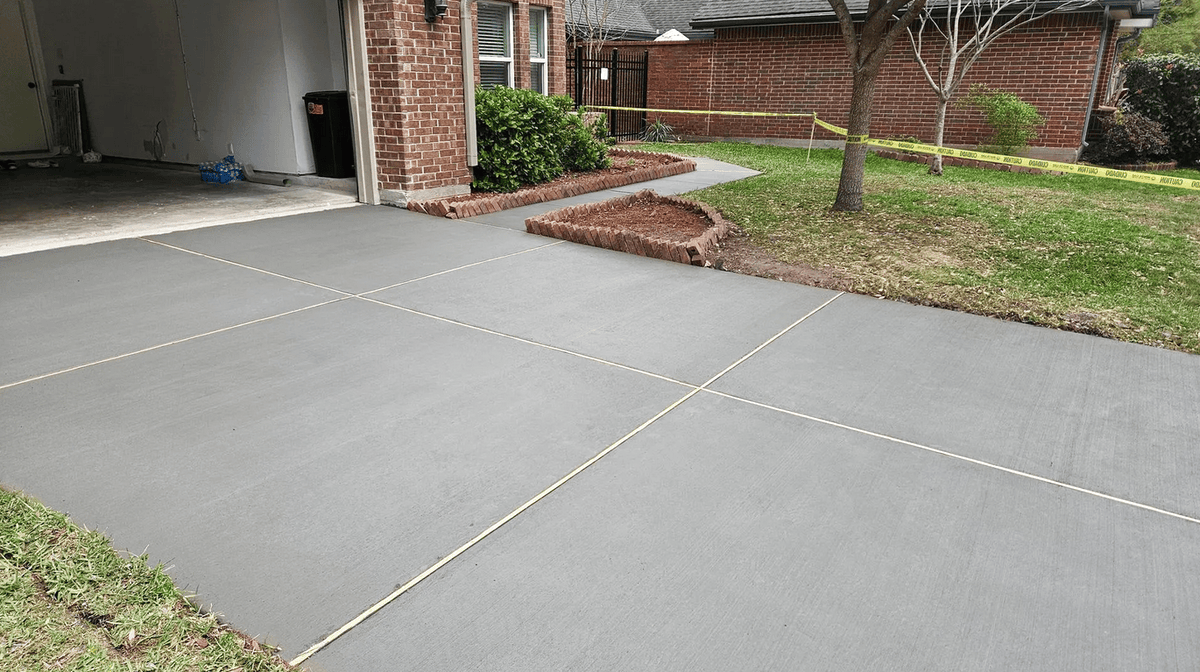
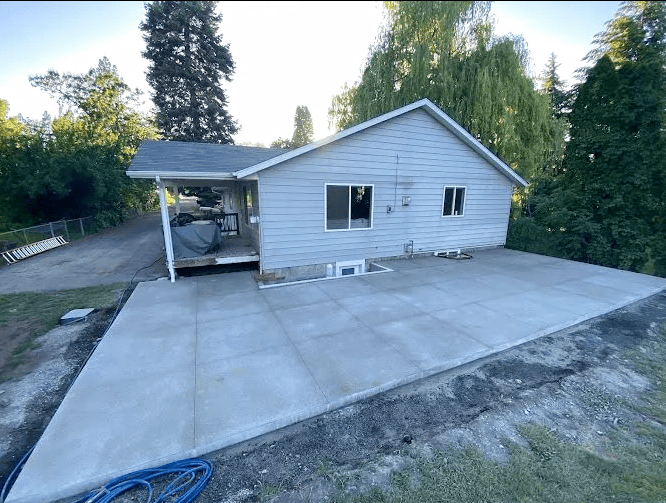
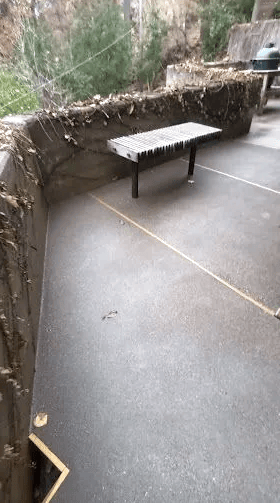
Choosing the Right Garage Floor Finish
One of the most common questions we hear from homeowners in Greenville is which finish is best for their garage floor. The honest answer is that it depends on how you use your garage, the current condition of your slab, and your budget. Below, we walk through the most popular options we work with so you can go into this decision with a clear head.
Epoxy Coatings
An epoxy garage floor is one of the most popular choices we install across neighborhoods like Augusta Road, Hollingsworth Park, and Botany Woods. Epoxy bonds directly to prepared concrete and builds up to around 10 to 20 mils DFT, giving you a hard, chemical-resistant surface that holds up under vehicle traffic, oil drips, and daily foot traffic. It protects against gasoline, antifreeze, and most household chemicals. One thing to keep in mind is that standard epoxy can yellow under UV exposure in garages with a lot of natural light. For those situations, we typically recommend a polyaspartic or urethane topcoat over the epoxy base.
Polyaspartic Coatings
Polyaspartic is a newer generation coating that cures faster than epoxy and holds up better under UV exposure. If you need your garage back in use quickly, this is often the right call. We use aliphatic polyurea and polyaspartic systems that stay clear and resist yellowing even in sunny Greenville garages. These coatings also perform well during the humid subtropical conditions common here in the Upstate, where temperature and moisture during application can affect how other coatings cure.
Concrete Sealers
Not every garage needs a full coating system. If your slab is in good shape and you mainly want to reduce dusting, repel moisture, and add a layer of protection, a concrete densifier or silane siloxane sealer can be a practical choice. We sometimes apply lithium silicate as a base treatment before a topcoat as well. Sealers are lower cost up front but do require reapplication over time.
Acid Stain and Water-Based Stain
Stained garage floors give you a more decorative look without a thick coating build-up. Acid staining reacts chemically with the concrete to produce earthy, mottled tones that are unique to each slab. Water-based stains offer a broader color range and more predictable results. Either way, stained floors need a sealer or topcoat over them to hold up to garage use. We see this finish used often in home workshops and converted garage spaces around West Greenville and North Main.
Decorative Overlays and Stamped Finishes
If your existing slab has surface damage or you want a completely different look, a cementitious overlay can resurface the floor and accept stamped patterns or texture. These systems let us replicate the look of tile, slate, or stone without tearing out the existing concrete. Overlays need to be applied over a properly prepared surface, and we follow ICRI 310.2R guidelines to make sure the bond holds long term.
Color Flakes and Custom Color Options
Epoxy broadcast flake systems are one of the most requested finishes we install for concrete garage flooring. Vinyl flakes are scattered into a wet epoxy base coat and then locked in with a clear topcoat. Beyond the appearance, the texture from the flakes adds natural slip resistance, which matters in a garage where wet shoes and tires are common. We offer a wide range of flake blends and base coat colors, so the finished floor can match your home or workspace.
Which Finish Works Best for Your Situation
There is no one-size-fits-all answer here. A hobbyist or mechanic who spends hours in the garage has different needs than someone who just parks two cars and stores seasonal items. Greenville's red clay subgrade and humid climate also play a role, since moisture vapor moving up through a slab can cause coatings to blister or delaminate if the floor is not properly tested and primed first. We use an infrared moisture meter and follow ASTM F3191 testing procedures to check moisture vapor emission before we recommend any finish. Once we understand your slab, your use case, and your goals, we can point you toward a durable garage flooring solution that will hold up for years. The next step is understanding what actually happens on installation day, from surface preparation through final cure.
What to Expect During the Installation Process
Initial Site Visit and Assessment
Before we do anything, we come out to your property and take a close look at your existing slab. We check for cracks, spalling, settling, and any signs of moisture issues. If you are in an older neighborhood like Augusta Road or North Main, your slab may have seen decades of Greenville weather, and that matters when we plan the work. We also look at how the garage is used, whether that is daily vehicle parking, a workshop, or storage of heavy equipment. That information shapes what garage floor coating or system we recommend.
Surface Preparation and Concrete Repair
This step is where the quality of the finished floor is really decided. We use a Blastrac shot blaster or diamond grinder to open up the concrete surface and reach a profile of CSP 3 or CSP 4, which gives coatings something solid to bond to. Cracks are routed with a crack chaser saw and filled with a flexible joint filler or repair mortar. Spalled areas get patched with material that matches or exceeds the compressive strength of your existing slab. Skipping or rushing this step is one of the main reasons garage floor paint and budget coatings fail within a year or two.
Moisture Testing and Vapor Barrier Installation
Greenville sits in a humid subtropical climate, and the Piedmont soil and red clay subgrade common throughout the Upstate hold moisture. We use tools like the Tramex CMEex to measure moisture vapor emission and confirm readings stay below the 3 lbs per 1000 sq ft per 24 hours threshold before we apply any coating. If moisture levels are elevated, we install a moisture vapor barrier or prime with an MVT epoxy primer. Skipping this test is a common reason epoxy garage floor coatings blister and delaminate, sometimes within months of installation.
Application and Cure Time
Once the slab is prepared and moisture levels are confirmed, we apply the coating system. For most durable garage flooring projects, that means a base coat of epoxy or polyaspartic, followed by a broadcast layer of flake or quartz aggregate for texture and slip resistance, then a clear topcoat for protection. Each layer needs time to cure before the next goes down. Temperature and humidity in Greenville can affect cure times, and we plan around that. A polyaspartic system cures faster than a standard epoxy, which matters when you need the garage back in service quickly.
Return-to-Use Timeline
Light foot traffic is typically safe within 24 hours for most coating systems we install. Vehicle traffic usually requires 48 to 72 hours depending on the product and conditions. Polyaspartic systems can allow faster return-to-use, sometimes within a single day. We give you a clear written timeline before work starts so you can plan accordingly. Rushing back onto a floor before it has fully cured can damage the surface and void the warranty, so we are straightforward with you about what the schedule looks like.
Cleanup and Final Walkthrough
When the work is done, we clean up the job site and walk the floor with you before we leave. We go over what was done, point out anything you should know about the finished surface, and leave you with written care instructions. We cover how to clean the floor, what products to avoid, and when to schedule any recommended maintenance. If you ever have questions after we are gone, you know how to reach us. From homes in Hartness to older garages off Wade Hampton Boulevard, we treat every job the same way.
Understanding the steps involved helps you plan your schedule and budget realistically. If you are wondering what all of this work will cost for your specific garage, the next section breaks down typical pricing for garage floor services in Greenville, SC.
A Greenville Concrete Crew That Shows Up Prepared
We are a concrete contractor based in Greenville, SC, and we have been pouring and finishing concrete in this area for over 10 years. Our crew brings more than 20 years of combined hands-on experience to every job, from small residential repairs to large commercial pours.
Working in Greenville means we know this area well. We understand the local soil conditions, the humidity that comes with South Carolina summers, and how the seasonal temperature swings here can stress a concrete surface if the mix and curing process are not handled correctly. That kind of local knowledge matters on every job we take on, whether we are installing a driveway in Simpsonville, a pool deck in Taylors, or a commercial slab in downtown Greenville.
We handle the full range of concrete work. That includes driveways, patios, garage floors, pool decks, sidewalks, foundations, retaining walls, stamped and decorative concrete, concrete cutting and removal, resurfacing, sealing, and staining. We also work on commercial and industrial projects, including parking lots, warehouse floors, and ADA-compliant ramps and sidewalks.
When you hire us, you get a crew that shows up prepared. We handle permits, site prep, forming, pouring, finishing, and cleanup. We carry insurance and stand behind our work with a written warranty. You will know exactly what is included before we start, and we keep you informed throughout the project.
If you have a concrete project coming up and want to know what it will take to get it done right, we are glad to come out, take a look, and give you a free estimate.
Garage Floor Costs in Greenville, SC
Garage floor pricing in Greenville depends on a few key factors, and understanding them ahead of time helps you plan your budget and avoid surprises. We have been working on concrete garage flooring in the Upstate for over 10 years, so we can give you a realistic picture of what projects typically cost in this area.
What Affects the Cost of a Garage Floor Project
Size is the most obvious factor, but it is far from the only one. The condition of your existing slab, the type of finish you choose, and how much prep work is needed all play a role. Greenville sits on Piedmont soil and red clay subgrade, which can shift with moisture and seasonal changes. That movement sometimes causes settling, cracking, or heaving that has to be addressed before any coating or resurfacing goes down. Surface preparation, such as grinding to a CSP 3 or CSP 4 profile and moisture testing with a Tramex CMEex meter, is required for coatings to bond correctly. Skipping that step costs more later. Accessibility, garage layout, and whether permits are needed through the City of Greenville Building Codes Division can also affect the final number.
Cost of New Slab Installation
A new concrete garage slab in Greenville generally runs between $6 and $12 per square foot, depending on thickness, reinforcement, and site conditions. A standard 4-inch slab poured to 3000 PSI compressive strength is common for two-car garages, but heavier use may call for 4000 PSI concrete with added rebar or fiber reinforcement. Subbase grading, vapor barrier installation, and proper slope for drainage add to the cost but protect the slab long-term. Homes in areas like Hollingsworth Park or Pebble Creek with more developed lots may require more prep work to get the subgrade ready.
Cost of Coatings and Resurfacing
This is where your range of garage flooring options widens. A basic garage floor paint system sits at the low end, but it rarely holds up to vehicle traffic and chemical exposure for long. A quality epoxy garage floor system, including an MVT epoxy primer and epoxy broadcast flake topcoat applied at 10 to 20 mils DFT, typically runs $3 to $7 per square foot installed. Polyaspartic and polyurea systems cost a bit more but cure faster and handle UV exposure better, which matters in a garage facing Augusta Street or with south-facing doors that get direct sun. Metallic epoxy, quartz aggregate broadcast, and stained garage floors are available at varying price points. Resurfacing with a cementitious overlay adds cost but can restore a badly worn slab without full replacement.
Cost of Repairs
Crack repair, spalling patches, and joint filling are priced based on the extent of the damage. Minor crack repairs using a crack chaser saw and joint filler may add a few hundred dollars to a project. More significant structural repairs, such as slab lifting or addressing moisture vapor emission rates above 3 lbs per 1000 sq ft per 24 hours, require additional materials and labor. We assess every slab before quoting so you know exactly what you are paying for and why.
How to Get an Accurate Quote
The most reliable way to get an accurate number is to schedule an on-site visit. We measure the space, inspect the slab, test for moisture, and look at factors like drainage and existing damage. From there, we put together a written estimate with a clear scope of work. We serve homeowners throughout Greenville and surrounding areas, from North Main to Sans Souci, and we are familiar with the local conditions that affect each project. Getting a few quotes is a reasonable step, and we are happy to walk you through ours line by line so you can compare them fairly. That local knowledge and transparency are part of what sets a reliable Greenville contractor apart.
Why Hire a Local Greenville Concrete Contractor
When you are looking at garage flooring options in Greenville, the contractor you choose matters just as much as the materials. We have worked on garage floors across the area for over 10 years, from homes along Augusta Road to neighborhoods like Hollingsworth Park and Pebble Creek. That kind of local experience shapes how we approach every job.
Our Experience in Greenville, SC
Greenville sits in the Piedmont region, and the red clay subgrade and expansive clay soils common here can shift, hold moisture, and cause problems for slabs that were not built or coated with those conditions in mind. We factor in Greenville's humid subtropical climate, seasonal heavy rains, and occasional freeze-thaw cycles when we recommend materials like polyaspartic coatings or moisture vapor barriers. Generic advice from a company unfamiliar with Upstate South Carolina can lead to peeling coatings, cracked slabs, and moisture problems that cost more to fix later. Our crews have over 20 years of combined concrete experience and have been working in Greenville specifically for more than a decade, so we understand what works here and what does not.
Licensing, Insurance, and Local Code Compliance
We carry an SC Contractor License and maintain current general liability and workers' compensation insurance. Before work begins on your garage floor, we verify whether a permit is needed through the City of Greenville Building Codes Division or Greenville County Building Safety, depending on where your property sits. Some garage floor projects require documentation for drainage slope, slab thickness, or structural modifications. We handle that process so you are not left with unpermitted work that could create issues down the road.
Our Warranties and Guarantees
We provide written warranties on both our labor and the materials we use. For epoxy garage floor systems and polyaspartic coatings, warranty coverage depends on the product system and how the surface was prepared. We use professional surface preparation methods, including shot blasting and diamond grinding, that meet standards like ASTM D4259 and achieve the surface profiles required for coatings to bond correctly. Proper preparation is what makes a warranty mean something. Installations done without it often fail early and void coverage entirely.
Reviews, References, and Past Work
We encourage you to look at our past projects and read what other Greenville homeowners have said about working with us. Our work covers concrete garage flooring, epoxy broadcast flake systems, stained garage floors, and full slab pours for new construction. We are happy to connect you with past customers in your area so you can hear directly about their experience before you decide anything.
Payment Options
We offer straightforward payment options and provide written estimates that clearly outline scope, materials, and timeline before any work starts. There are no surprises built into our pricing. We can walk you through financing options if you prefer to spread costs over time, and we accept standard payment methods for your convenience. Every estimate includes a breakdown so you understand exactly what you are paying for.
Once your garage floor is installed or refinished, the next step is understanding how to protect that investment over time. Knowing how to maintain durable garage flooring will help you get the most out of whatever system we install for you.
Maintaining Your Garage Floor After Installation
Once we finish your garage floor, a little routine care goes a long way toward keeping it in good shape for years. Whether you have an epoxy garage floor, a polyaspartic coating, or a stained concrete finish, the steps below apply to most systems we install for homeowners across Greenville.
Routine Cleaning Tips
For day-to-day upkeep, a soft-bristle broom or dust mop is usually all you need. Because coated concrete resists dust and particulates, sweeping once or twice a week keeps grit from scratching the surface. For a deeper clean, a mild pH-neutral cleaner diluted in warm water works well with a mop or auto scrubber. Avoid ammonia-based products and harsh solvents, since these can dull or break down coating systems over time. This is one area where durable garage flooring really pays off compared to bare concrete.
How to Handle Spills and Stains
One of the practical benefits of garage floor coating systems is how easy spill cleanup becomes. Oil, gasoline, and antifreeze wipe away quickly if you act soon after a spill. Blot the area first with an absorbent cloth, then clean with a degreaser that is safe for coated surfaces. Avoid letting acidic fluids like battery acid sit on the floor, since prolonged contact can etch even well-protected concrete. For stained garage floors with a sealer topcoat, prompt cleanup protects the decorative layer underneath.
When to Reseal or Recoat
Most coating systems we install hold up for several years under normal vehicle and foot traffic, but the timeline varies by product and use. A polyaspartic or urethane topcoat typically lasts longer than a basic garage floor paint system. Signs that it is time to reseal or recoat include visible wear patterns in high-traffic areas, loss of sheen, or water that no longer beads on the surface. For floors with a silane siloxane sealer or concrete densifier, we generally recommend reassessment every three to five years. If you are unsure, we can stop by and take a look.
Protecting Your Floor from Heavy Use
If your garage doubles as a workshop or sees heavy equipment, a few habits protect the floor long-term. Plywood sheets or rubber pads under jack stands prevent point-load damage. Waterproof garage flooring systems handle moisture well, but standing water near doors or floor drains should still be addressed to avoid edge seepage. If you use interlocking garage tiles or garage floor mats over a coated slab, make sure they allow the concrete underneath to breathe so moisture does not build up below them. Greenville's humid subtropical climate, combined with the expansive clay subgrade common throughout the Upstate, means moisture management stays relevant even after installation is complete.
Taking care of your floor does not require a lot of time or special products. A consistent routine protects your investment and keeps the surface looking the way it did on install day. With that in mind, here is a look at what working with us from start to finish actually involves.
Ready to Move Forward With Your Greenville Garage Floor
With the right maintenance routine in place, your garage floor can hold up for decades. But getting to that point starts with having the work done correctly from day one. That is where we come in.
We have spent over 20 years pouring and finishing concrete, and more than 10 of those years working right here in Greenville. We know the local conditions that affect your slab, including the expansive red clay subgrade common across the Upstate, the heavy seasonal rains that push moisture up through concrete, and the humidity swings that can cause lesser coatings to peel or bubble. We factor all of that into every job we take on, whether you are in Hollingsworth Park, along Augusta Road, or closer to Wade Hampton Boulevard.
When you hire us, here is what you get:
- A thorough slab assessment before any work begins, including moisture testing and crack evaluation
- Professional surface preparation using a Blastrac shot blaster or diamond grinder to reach the right surface profile for proper coating adhesion
- Honest guidance on the best garage floor coating for your specific use, whether that is epoxy broadcast flake, polyaspartic, or a cementitious overlay
- Proper repair of cracks, spalling, and joint damage using materials that bond correctly to your existing slab
- Moisture vapor barrier installation when testing shows it is needed, protecting against delamination and mold
- Durable, chemical-resistant finishes suited for vehicles, workshop use, or heavy equipment
- Options for stained garage floors, decorative flake, and other finishes that improve the look of your space
- Compliance with local permitting requirements through the City of Greenville Building Codes Division or Greenville County Building Safety, depending on your location
- A written scope of work, clear pricing, and post-install care instructions before we ever start
- Work backed by crews who hold current SC Contractor licensing and carry proper insurance
Choosing durable garage flooring installed by experienced professionals means fewer repairs down the road, a cleaner and safer space, and a finished look that adds real value to your home. Whether you want a simple sealed slab or a full epoxy garage floor system with decorative flake, we can walk you through the options and give you a straight answer on cost and timeline.
Get a free quote for your Greenville garage floor project
We are currently scheduling projects across Greenville and the surrounding Upstate area. To get a free, no-pressure quote, give us a call or fill out the contact form below. We will set up a time to visit your site, take a look at what you have, and give you an honest assessment of what the work will involve and what it will cost.
Greenville SC Concrete
220 N Main St
Greenville, SC 29601
Business Hours
| Mon | 8:00 AM – 7:00 PM |
| Tue | 8:00 AM – 7:00 PM |
| Wed | 8:00 AM – 7:00 PM |
| Thu | 8:00 AM – 7:00 PM |
| Fri | 8:00 AM – 7:00 PM |
| Sat | 9:00 AM – 6:00 PM |