Concrete Slab Installation in Greenville
Concrete Slab Installation in Greenville, SC
Our concrete slab service area in Greenville, SC
We install concrete slabs throughout Greenville, SC and the surrounding Upstate region. Our crew works in neighborhoods like Augusta Road, North Main, West End, Verdae, and Hollingsworth Park, as well as subdivisions including Botany Woods, Chanticleer, and Pebble Creek. Whether your project is close to Downtown Greenville or out along Interstate 85 or Woodruff Road, we can typically schedule a site visit within a few business days. We hold an SC Contractor License and carry full liability insurance, so you are covered from the first day we set foot on your property.
Common problems that lead homeowners to need a new concrete slab
Most homeowners reach out to us because an existing surface has cracked, settled unevenly, or simply worn out after years of use. Others are building something new and need a solid, flat base to work from. A garage floor that flexes under vehicle weight, a workshop pad that pools water after rain, or a patio that has heaved and shifted are all signs that the original slab either lacked proper reinforcement bars and base prep, or was never thick enough for the intended load. These problems tend to get worse over time, not better. A new slab installed correctly addresses the root cause rather than just covering it up.
What we know about Greenville soil, weather, and local building conditions
Greenville sits within the Piedmont Province, and the soil here behaves differently than what you find in the Lowcountry or the mountains. Much of the Upstate is underlain by saprolite and red clay, both of which are considered expansive soils that shift with moisture changes. Near the Reedy River and Brushy Creek corridors, alluvial fill adds another layer of complexity. Proper concrete slab ground preparation in this region means testing subgrade bearing capacity, compacting fill to at least 95% standard Proctor compaction, and placing a gravel base that accounts for our wet winters and humid summers. We have spent over 10 years pouring concrete specifically in Greenville, so we know which streets and subdivisions tend to have drainage challenges and which areas require deeper excavation before we ever mix a batch of concrete. Our pours follow ACI 302.1R guidelines and we source aggregate locally through Vulcan Materials Greenville to keep quality consistent from job to job.
Frequently asked questions from Greenville homeowners about concrete slab installation
How thick does my slab need to be? For most residential uses like patios and walkways, a 4-inch slab thickness is standard. For garages, workshops, or anything supporting heavy equipment, we typically recommend a 6-inch slab thickness with proper reinforcement. We size the slab based on your specific load requirements and soil conditions.
Do I need a permit? It depends on the project scope. Larger slabs tied to structures generally require a permit through the City of Greenville Building Codes Department or Greenville County Building Safety Department. We handle the permit research on your behalf so nothing gets missed before we pour.
How long before I can use the slab? Concrete gains most of its working strength over a 28-day cure period. Light foot traffic is usually safe within 24 to 48 hours depending on conditions, but vehicle traffic should wait longer. We use a concrete curing compound that meets ASTM C309 to slow moisture loss, which is especially important during Greenville's hot summers.
What mix do you use? We typically specify a 3000 psi or 4000 psi compressive strength mix depending on the application. Our concrete mix ratios account for local temperature and humidity, and we often include fiber mesh reinforcement or fly ash depending on the project. We work with local ready-mix suppliers to make sure the batch arriving on your site matches what we specified.
If you still have questions about what a concrete slab actually is or what kinds of projects one can support, the next section walks through exactly that.
What Is a Concrete Slab and What Can It Be Used For
Defining a Concrete Slab in Plain Terms
A concrete slab is a flat, horizontal layer of poured concrete that sits on prepared ground or a structural frame. Most residential slabs start with a compacted gravel base, a vapor barrier, and reinforcement like #4 rebar or fiber mesh before any concrete is poured. The concrete itself is typically a mix made with Type I/II Portland cement and coarse aggregate, blended to reach at least 3000 psi compressive strength once it finishes its 28-day cure period. The result is a solid, level surface built to carry weight, resist moisture, and hold up over time.
Common Uses for Concrete Slabs in Greenville Homes and Properties
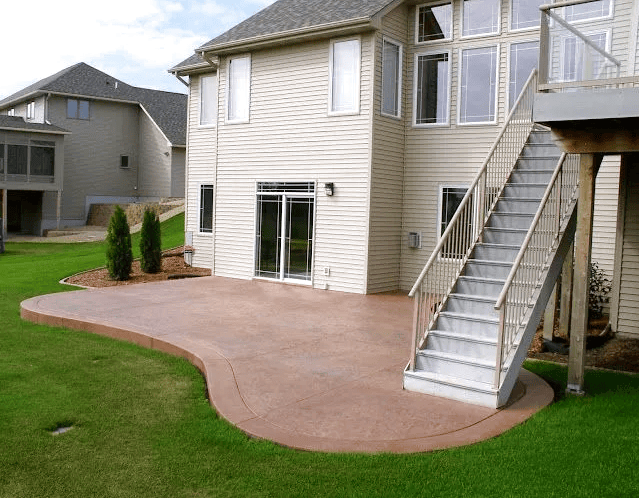
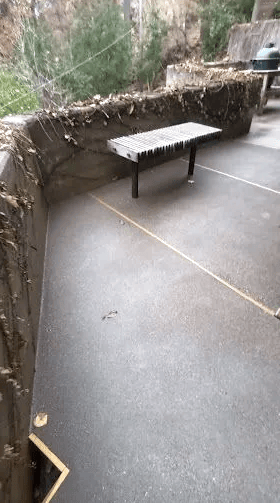
Around Greenville, we see concrete slabs used for garages, driveways, patios, pool decks, workshops, storage buildings, and home additions. Neighborhoods like Augusta Road, Botany Woods, and Verdae have a mix of older and newer homes where slabs support everything from attached garages to backyard outbuildings. The load-bearing capacity of a properly built slab makes it a practical fit anywhere you need a stable, durable surface. Slab thickness recommendations vary by use. A standard patio may need a 4-inch slab thickness, while a garage or equipment pad often calls for a 6-inch slab thickness to handle heavier loads.
When a Concrete Slab Is the Right Choice Over Other Materials
Compared to wood decking, pavers, or gravel, a concrete slab foundation offers better long-term value in Greenville's climate. Our soil here sits in the Piedmont Province and often contains red clay and residual soil that shifts with moisture. A well-prepared slab, poured with correct drainage considerations built in, holds its shape where other materials settle or wash out. Concrete also resists rot, termites, and fire. When you factor in low maintenance and a long service life, it tends to cost less over time than surfaces that need regular replacement or repairs.
Understanding what a slab is and where it fits is the first step. The next is knowing which type of slab makes sense for your specific project, and that depends on how and where it will be used.
Types of Concrete Slabs We Install
We have been pouring concrete slabs across Greenville, SC for over a decade, working in neighborhoods from Augusta Road to North Main and out through areas like Verdae and Botany Woods. Every slab type we install follows sound practices built around local soil conditions, proper slab thickness recommendations, and the right concrete mix for the job. Here is a closer look at the specific slab types we handle.
Garage Floor Slabs
Garage slabs take daily punishment from vehicle traffic, oil drips, and heavy loads. We typically pour these at a 6-inch slab thickness with #4 rebar on 12-inch spacing to meet the load-bearing capacity demands most homeowners and contractors expect. The concrete we use commonly reaches 4000 psi compressive strength, and we finish surfaces with a broom texture for traction. Greenville's red clay and Ultisols soil conditions mean subgrade preparation and compaction to 95% standard Proctor are steps we never skip.
Shed and Outbuilding Slabs
Smaller slabs for sheds and outbuildings still need proper construction site preparation, including grading and a compacted crushed granite base. A 4-inch slab thickness works well for most light-use structures, and we include control joints on roughly 10-foot spacing to manage cracking over time. We also make sure drainage slopes at least 1/4-inch per foot away from any structure.
Patio Slabs
Patio slabs are where finishing choices matter most to you. We offer broom, smooth, stamped, and exposed aggregate finishes depending on what fits your outdoor space. We set slab-edge forms carefully to keep edges clean and consistent, and we factor in how water moves off the slab toward your yard rather than back toward your home or foundation.
Foundation Slabs for Additions and Structures
When you are adding a room, a workshop, or another structure to your property, the concrete slab foundation has to meet both IRC Section R506 and any local requirements set by the City of Greenville Building Codes Department or Greenville County Building Safety Department. We size reinforcement, base depth, and concrete strength around your specific load and soil conditions, and we handle the permitting process with those offices on your behalf.
Equipment Pads and Utility Slabs
HVAC units, generators, and industrial equipment all need a stable, level base. These pads often call for 4000 psi concrete and fiber mesh reinforcement or rebar depending on the equipment weight. We use a laser screed to get the surface flat and level, which matters a great deal when you are anchoring mechanical equipment that needs precise alignment.
Pool Deck Slabs
Pool deck concrete has to handle constant moisture, foot traffic, and the heat we see during Greenville summers. We pay close attention to drainage considerations around pool decks, sloping the surface so water moves away from the pool edge and away from your home. Non-slip finishes and proper expansion joint installation between the deck and pool shell help manage movement and prevent cracking as temperatures shift through the seasons.
No matter which slab type fits your project, the materials, preparation, and techniques we use stay consistent. That consistency is part of how we put together a price for your job, which we cover in the next section.
A few years back, we took on a concrete slab job for a homeowner in the Taylors area just outside Greenville. It seemed straightforward at first. The plan was to pour a large slab for a detached garage, about 600 square feet. We had done hundreds of jobs like it before.
What we did not count on was what was hiding under the ground. When we started digging out the base, we hit a layer of expansive clay soil about eight inches down. If you know anything about Upstate South Carolina soil, you know that red clay is everywhere around here, and it can be a real problem for concrete work. Clay holds moisture and shifts when it dries out. If you pour concrete over unstable clay without dealing with it first, the slab will crack and heave over time.
We stopped work and had an honest conversation with the homeowner. We told them what we found and what it meant. We explained that we needed to dig deeper, remove the problem soil, and bring in a proper gravel base before we could pour anything. That added time and cost to the project, and nobody was happy about it in the moment.
But we knew cutting corners was not an option. We brought in compacted gravel fill, built up a solid four-inch base, and made sure the drainage was right before we ever mixed a bag of concrete. The slab we poured that week is still sitting level and crack-free today.
That job is a good example of why experience matters on a project like this. When you hire us, you get a team with over 20 years of combined concrete experience and more than 10 years working right here in Greenville. We know this soil, we know this climate, and we know how to handle problems when they come up.
How We Price Concrete Slab Installation in Greenville, SC
We have been pouring concrete slabs across Greenville for over 10 years, and one of the first questions we hear from homeowners in neighborhoods like Augusta Road, Verdae, and Botany Woods is simple: what is this going to cost me? That is a fair question, and we want to give you a straight answer. Slab pricing is not one-size-fits-all. Several things shape the final number, and we think you deserve to understand each one before you commit to anything.
Key Factors That Affect the Cost of Your Slab
The size of your slab is the starting point, but it is far from the only factor. Slab thickness plays a big role. A standard patio might call for a 4-inch slab thickness, while a garage or workshop that needs to hold heavy equipment may require a 6-inch slab thickness to meet load-bearing capacity requirements. Reinforcement adds cost too. We use #4 rebar at 12-inch spacing or WWF 6x6 W1.4xW1.4 wire mesh depending on the application, and that choice affects your price.
Site conditions here in Greenville also matter more than people expect. Our region sits in the Piedmont Province, and the red clay and residual soil common to this area often require extra excavation and compaction work to reach 95% standard Proctor compaction before we can pour anything. Drainage considerations shape costs as well. We slope slabs at 1/4-inch per foot to move water away from structures, and grading the site to make that work correctly takes time and equipment. Finishing choices, from a basic broom finish to stamped or colored concrete, will move the price up or down. So will the need for expansion joint installation and control joint sealant after the pour.
Average Cost Ranges for Common Slab Projects in Greenville
For a straightforward residential patio or shed slab in the Greenville area, most homeowners see prices ranging from roughly $6 to $10 per square foot for a basic broom-finished slab with standard reinforcement. Garage slabs with heavier reinforcement and a 6-inch thickness typically run between $8 and $12 per square foot. Larger or more complex pours, such as a shop floor or a concrete slab foundation for an addition, can go higher depending on site prep needs, mix design requirements, and finishing work. These ranges reflect real costs in our local market and account for materials sourced from suppliers like Vulcan Materials Greenville and Carolina Readymix.
What Is Included in Our Quotes and What Could Add to the Price
When we give you a quote, it covers site layout, slab-edge forms, subgrade preparation, base material, concrete, reinforcement, finishing, and control joints. Our concrete mix meets 3000 psi or 4000 psi compressive strength depending on the project, and we follow ASTM C94 standards for ready-mix delivery. What can push costs beyond the base quote includes unexpected soil conditions once excavation begins, permit fees through the City of Greenville Building Codes Department or Greenville County Building Safety Department, utility locating needs, and any decorative finishing upgrades you choose after we begin. We will always walk you through any changes before we proceed.
How to Request a Free Estimate from Us
Getting a quote from us is simple. You can call us or fill out the contact form on this page. We will schedule a time to visit your property, look at the site, and talk through what you need. We serve the full Greenville area, from homes along Wade Hampton Boulevard to properties near Haywood Road and out toward Mauldin and Travelers Rest. Once we see the site, we can give you a written estimate that breaks down materials, labor, and any permitting costs. There are no surprises in our contracts.
Before we can give you an accurate number, though, we need to take a close look at the ground beneath your future slab. That is where site preparation comes in, and it is one of the most important steps in the entire process.
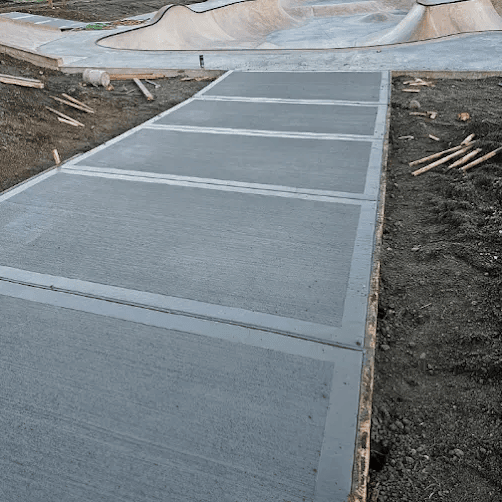
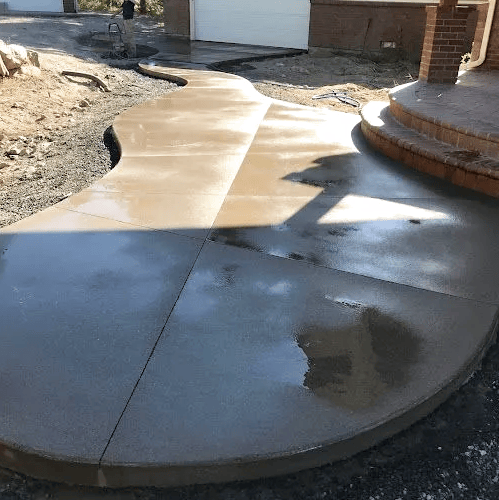
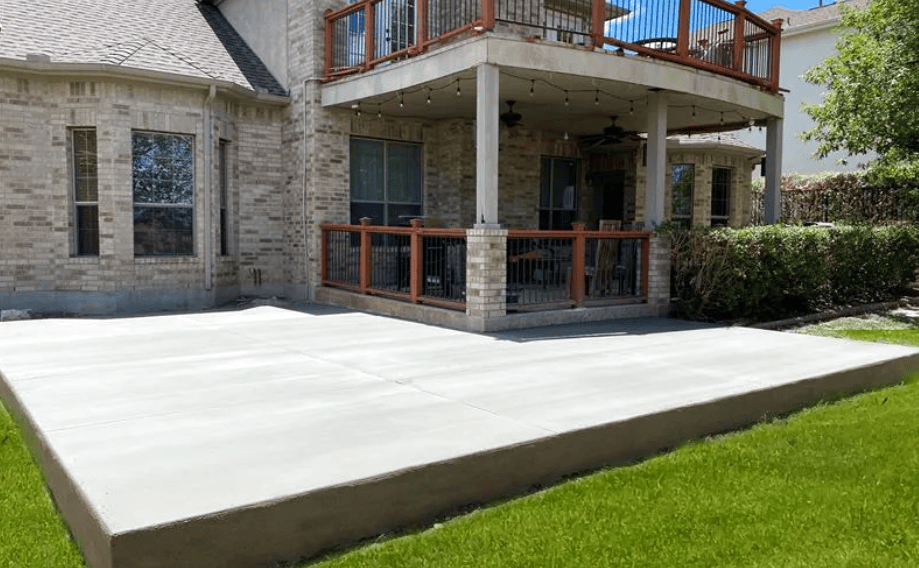
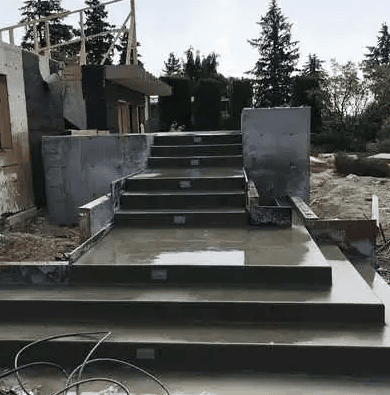
Site Preparation for Concrete Slab Installation
Why Proper Site Prep Matters for Slab Performance
Before a single yard of concrete is poured, what happens beneath the surface determines how well your slab holds up over time. We have seen plenty of slabs crack, settle, or heave not because of anything wrong with the concrete itself, but because the ground underneath was never set up correctly. With over 20 years of combined experience pouring concrete and more than 10 years working right here in Greenville, we know that skipping or rushing site preparation is one of the most common reasons slabs fail early. Getting the ground ready is not a shortcut step. It is the foundation of everything that follows.
Grading and Excavation
We start every job by evaluating the existing grade and soil conditions on your property. Greenville sits within the Piedmont Province, and a large part of the area is underlain by residual soil, saprolite, and red clay derived from weathered gneiss. These soils behave differently than sandy or gravelly soils found elsewhere. Red clay and expansive soils in areas like North Main, Augusta Road, and parts of the West End can shift with moisture changes, which puts stress on slabs that are not supported correctly from the start. We excavate to the depth needed for your project, removing organic material, loose fill, and any unstable ground before we do anything else.
Soil Compaction and Base Material
Once the subgrade is cut to grade, we compact the native soil using a plate compactor. We target 95% standard Proctor compaction, which is the benchmark that keeps the ground stable under load. After compaction, we install a base layer of crushed granite base or compactable gravel fill, both of which are locally available through suppliers like Vulcan Materials Greenville. This base layer provides a stable, well-draining platform for the slab. We also lay a vapor barrier, typically a 6-mil polyethylene sheet, over the base to limit moisture movement from the ground into the finished concrete. Proper base prep directly affects the load-bearing capacity of your slab and reduces the risk of long-term settlement.
Drainage Planning Specific to Greenville Conditions
Greenville averages around 50 inches of rain per year, and the Reedy River basin and surrounding areas like Conestee and Brushy Creek see significant stormwater movement. Poor drainage around a slab can lead to undermining, erosion of the base, and water intrusion. We plan the grade so water moves away from the slab and any adjacent structures. A slope of at least 1/4 inch per foot is our standard for exterior slabs. We also look at how the slab connects to existing drainage patterns on your lot, and we coordinate with any site grading or seeding work needed to protect the finished area. These drainage considerations are built into our layout before forming ever starts.
Forming and Layout Before the Pour
With the ground prepared, we set slab-edge forms to define the perimeter and establish the final slab elevation. We use a laser screed and straightedge to verify that forms are level and aligned correctly. Straight, properly braced forms produce clean edges and a uniform slab surface. We also mark the layout for control joints and any penetrations at this stage. Getting the layout right before the pour means fewer adjustments mid-job and a finished product that meets the specs your project requires. This groundwork also sets us up for the next critical decisions around slab thickness and how the concrete itself needs to be built for your specific load and use case.
Slab Thickness and Structural Requirements
Standard Slab Thickness for Different Project Types
One of the first things we look at before any pour is how thick your slab needs to be. For most residential projects in Greenville, a 4-inch slab thickness works well for patios, walkways, and light-use areas. If you are planning a garage, workshop, or anything that will carry vehicles or heavy loads, a 6-inch slab thickness is typically the right call. These are not arbitrary numbers. They come from guidelines like IRC Section R506 and ACI 302.1R, which give us a consistent, proven framework to follow.
When You Need a Thicker Slab or Thickened Edges
Slab-edge forms play a bigger role than most people expect. Along the perimeter of a slab, we often pour a thickened edge to add strength where the ground transitions and where loads concentrate. This is common on slabs that will support a structure, a screened porch, or a prefab building. Greenville's red clay soils and expansive soil conditions in areas like the Piedmont Province mean that edges can shift if they are not poured with enough depth and properly compacted subgrade beneath them. We also factor in the bearing capacity of your specific soil before we settle on edge dimensions.
Load-Bearing Considerations for Garages and Heavy Equipment
The load-bearing capacity of a slab depends on more than just thickness. Concrete mix strength matters. For garages and equipment pads, we typically spec a minimum of 4000 psi compressive strength with a 0.45 water-cement ratio and careful attention to the subgrade CBR value underneath. We compact the base to 95% standard Proctor compaction before a single yard of concrete is placed. Skipping that step is one of the most common reasons slabs crack or settle early, and it is something we see corrected in repair jobs all across the Greenville area.
How We Determine the Right Thickness for Your Project
When we come out to look at your site, we are evaluating several things at once: soil type, drainage patterns, what you plan to put on the slab, and whether the project falls under the City of Greenville Building Codes Department or Greenville County Building Safety Department. Those two offices have their own permit requirements, and we know how to navigate both. With over 20 years of combined experience pouring concrete and more than 10 years working right here in Greenville, we have seen what works on the red clay and residual soils common throughout Upstate South Carolina. That site-specific knowledge shapes every thickness recommendation we make. Once we have the right depth dialed in, the next step is deciding how to reinforce the slab so it holds up for decades to come.
What Makes Our Greenville Concrete Crew Different
We are a concrete contractor based in Greenville, SC, and we have been pouring and finishing concrete in this area for over 10 years. Our crew brings more than 20 years of combined hands-on experience to every job, from small residential repairs to large commercial pours.
Working in Greenville means we know this area well. We understand the local soil conditions, the humidity that comes with South Carolina summers, and how the seasonal temperature swings here can stress a concrete surface if the mix and curing process are not handled correctly. That kind of local knowledge matters on every job we take on, whether we are installing a driveway in Simpsonville, a pool deck in Taylors, or a commercial slab in downtown Greenville.
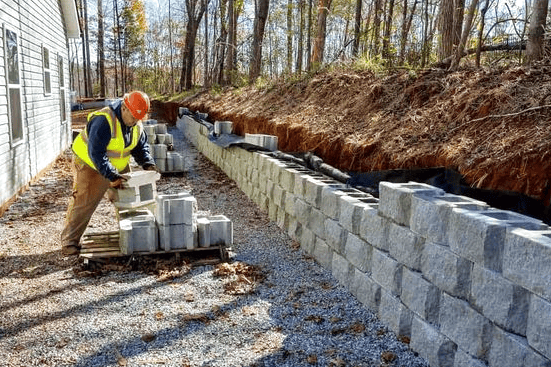
We handle the full range of concrete work. That includes driveways, patios, garage floors, pool decks, sidewalks, foundations, retaining walls, stamped and decorative concrete, concrete cutting and removal, resurfacing, sealing, and staining. We also work on commercial and industrial projects, including parking lots, warehouse floors, and ADA-compliant ramps and sidewalks.
When you hire us, you get a crew that shows up prepared. We handle permits, site prep, forming, pouring, finishing, and cleanup. We carry insurance and stand behind our work with a written warranty. You will know exactly what is included before we start, and we keep you informed throughout the project.
If you have a concrete project coming up and want to know what it will take to get it done right, we are glad to come out, take a look, and give you a free estimate.
Concrete Reinforcement Options
When we pour a concrete slab in Greenville, one of the first structural decisions we work through with you is how the slab will be reinforced. Greenville sits within the Piedmont Province, where red clay soils and expansive subgrades can shift with moisture changes. That movement puts stress on concrete from below, and the right reinforcement keeps your slab from cracking apart under that pressure. Getting this right from the start is far less costly than repairing or replacing a slab later.
Rebar versus Wire Mesh
#4 rebar placed at 12-inch spacing gives a slab meaningful tensile strength across its full depth. We position rebar at roughly 3-inch concrete cover from the bottom, which follows guidance under ACI 318 and keeps the steel protected from moisture. Wire mesh, such as WWF 6x6 W1.4xW1.4, costs less and is faster to install, but it sits near the surface unless carefully supported during the pour. In our experience working across areas like Verdae, Hollingsworth Park, and Botany Woods, rebar is the more reliable choice for slabs that carry vehicles, equipment, or structures. Wire mesh can work well for light-duty flatwork where loads are modest and soil conditions are stable.
Fiber Reinforcement as an Additive
Fiber mesh reinforcement is blended directly into the concrete mix before it arrives on your site. It distributes throughout the slab and helps control the fine surface cracking that often appears during curing. We use fiber as an additive alongside rebar or mesh rather than as a full replacement for either. It also improves impact resistance and reduces bleeding at the surface. For residential slabs and outbuildings, fiber is a practical addition that does not change your finishing timeline significantly.
When Reinforcement Is Required versus Recommended
Some reinforcement choices are not optional. The City of Greenville Building Codes Department and Greenville County Building Safety Department both have requirements tied to slab use, thickness, and soil conditions. Under IRC Section R506, slabs used as part of a foundation system carry specific reinforcement requirements. A 4-inch slab thickness under a garage or workshop is typically reinforced by code when it bears structural loads. We pull the correct permits and confirm requirements before any material is ordered, so you are not caught short during inspection.
How Reinforcement Affects the Long-Term Durability of Your Slab
Reinforcement does not prevent all cracking, but it controls where cracks form and keeps them tight when they do. A slab with properly placed reinforcement bars and a sound control joint layout at roughly 10-foot spacing will hold together through years of seasonal movement. Combined with a 28-day cure period and proper curing methods, a well-reinforced slab reaches its full design strength, whether that is 3000 psi compressive strength for a standard residential pad or 4000 psi for heavier-duty applications. The reinforcement you choose also connects directly to the concrete mix itself, which brings us to the materials and mix options we work with on every pour.
Concrete Mix Options and Materials
Standard Concrete Mix Strengths and What PSI Means for Your Slab
When we talk about concrete strength, PSI refers to pounds per square inch — how much pressure the cured slab can handle before it breaks. For most residential work around Greenville, a 3000 psi compressive strength mix works well for patios and walkways. For garage floors, driveways, or anything carrying heavier loads, we typically move to a 4000 psi compressive strength mix. The right choice depends on what you plan to put on the slab and how the ground underneath behaves. Greenville sits within the Piedmont Province, where red clay and residual soils are common. Those soil conditions affect how much stress your slab absorbs, which is part of why mix selection matters here more than people realize. We follow ACI 302.1R and IRC Section R506 guidelines when specifying mixes, and we source ready-mix from suppliers like Consolidated Concrete and Carolina Readymix to keep quality consistent.
Additives That Improve Performance in Greenville Weather
Greenville summers are hot and humid, and winters bring occasional freezes. Both extremes can work against fresh concrete if the mix is not set up properly. We often use a water reducer meeting ASTM C494 Type A to keep the water-cement ratio around 0.45 without making the mix too stiff to work. During hot pours, we reference ACI 305R practices and may add MasterPolyheed to control slump loss. For cold-weather pours, we follow ACI 306R and may use a calcium chloride accelerator to support early strength gain. Fly ash and slag cement are two supplementary materials we use to improve long-term durability while reducing heat buildup during the pour. Air entrainment agents like MasterAir AE 200 are useful when freeze-thaw cycles are a concern, targeting around 6% air entrainment for exposed slabs. Every additive we use serves a specific purpose tied to your project conditions and the time of year we are pouring.
Fiber-Reinforced Concrete Mix Options
Fiber mesh reinforcement is mixed directly into the concrete and helps control the small surface cracks that can develop during curing. It is not a replacement for reinforcement bars where structural strength is needed, but it adds a useful layer of crack resistance throughout the slab body. We use fiber mesh on many flatwork projects, especially where the finish will see foot traffic or light vehicle use. For slabs that need more structural reinforcement, we combine fiber mesh with #4 rebar or WWF 6x6 W1.4xW1.4 wire fabric depending on the load-bearing capacity required. The two approaches work together, and choosing between them — or using both — comes down to what the slab needs to do over its lifetime.
How We Select the Right Mix for Your Specific Slab
We do not use the same mix on every job. Before we order concrete, we look at your site conditions, the intended use of the slab, the time of year, and any drainage considerations that affect how the slab will perform long term. Slab thickness recommendations also factor into mix design — a 4-inch slab thickness for a residential patio has different requirements than a 6-inch slab thickness for a workshop or equipment pad. We verify fresh concrete properties on site using tests aligned with ASTM C94, ASTM C138, and ASTM C143 to confirm slump, unit weight, and air content before the pour starts. Our team holds ACI Field Testing Technician credentials, which means the people reading those test results know what they mean. By the time concrete is placed, we have already made sure the mix fits your project — and we carry that same attention into the finishing work your slab will receive.
Finishing Options for Your Concrete Slab
Once the concrete is poured and leveled, the finishing process shapes how your slab looks and performs for years to come. We use a range of hand and machine tools, including a bull float, Fresno trowel, and power trowel, to work the surface while the concrete is still in its plastic state. The finish you choose affects not just appearance but also slip resistance, maintenance, and how well the surface holds up to Greenville's mix of hot summers and occasional freezing spells in winter.
Smooth Trowel Finish
A smooth trowel finish is achieved by running a power trowel or hand trowel over the surface in overlapping passes as the concrete stiffens. This produces a dense, tight surface that resists surface abrasion and is easy to clean. It works well for interior floors, garage slabs, and warehouse spaces. Keep in mind that a very smooth surface can be slippery when wet, so we factor in how and where the slab will be used before recommending this finish for outdoor areas.
Broom Finish for Added Traction
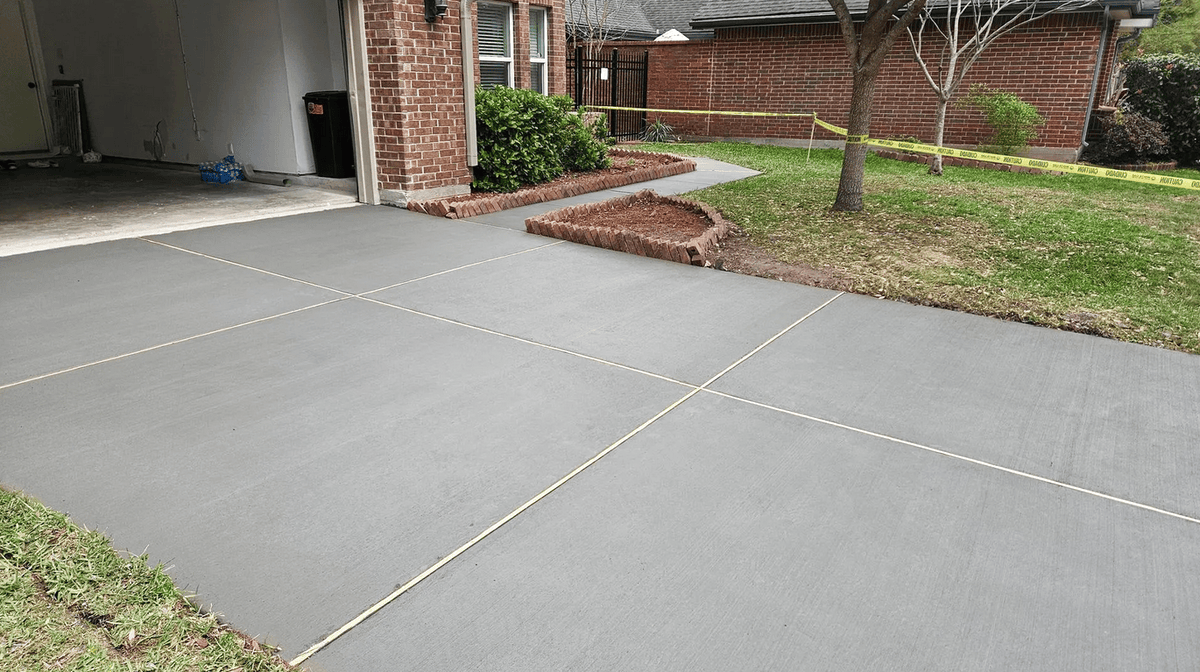
A broom finish is one of the most practical choices for driveways, walkways, and exterior slabs. After the surface is floated, we drag a stiff-bristled broom across it to create fine parallel lines that give your feet something to grip. The texture level can be adjusted based on the intended use. For most residential projects in neighborhoods like Botany Woods or along Augusta Road, a medium broom finish strikes a good balance between traction and ease of cleaning.
Stamped Concrete Options
Stamped concrete uses patterned mats pressed into the surface before the concrete fully sets. Common patterns include flagstone, brick, slate, and wood plank. Stamping requires careful timing and an experienced crew, because the window to work the surface is narrow. We have used stamped finishes on patios and pool decks throughout the Greenville area, including projects near Verdae and Hollingsworth Park. Proper curing concrete slabs after stamping is especially important since the added texture can dry out unevenly if not managed correctly.
Colored and Stained Concrete
Color can be added to concrete in two main ways. Integral color is mixed directly into the concrete before it is poured, giving you consistent color all the way through. Acid stains and water-based stains are applied after the slab cures, creating mottled, natural-looking tones that react with the surface. Both approaches hold up well in our region when sealed properly. We typically apply a lithium silicate sealer over colored or stained surfaces to protect the finish and reduce long-term maintenance.
Edge Treatments and Border Options
Edges are a detail that affects both safety and the overall look of a finished slab. We use edging tools to round or bevel the perimeter, which reduces chipping and creates a clean transition to surrounding grade. For decorative projects, a contrasting border can be stamped or saw-cut into the outer portion of the slab to frame a pattern or highlight a color change. Expansion joint installation along the slab edge is also part of this step, allowing the concrete to move slightly without cracking as temperatures shift through Greenville's seasons.
With your finish selected and the surface properly cured, the next thing most property owners need to address is the permit and inspection side of the project. Working within Greenville's local code requirements protects your investment and keeps the project on solid legal ground from start to finish.
Permits, Building Codes, and Inspections in Greenville, SC
Before we pour a single yard of concrete, we make sure your project is set up correctly on paper. Greenville has specific permit and inspection requirements depending on what the slab is for, and skipping that step can create real problems down the road. We have spent over 10 years working through the local permitting process here, so we know what to expect and how to keep your project moving without delays.
When a Permit Is Required for Concrete Slab Work in Greenville
Not every slab requires a permit, but many do. In Greenville, a permit is typically required when the slab will serve as a concrete slab foundation for a structure, when it exceeds a certain square footage, or when it involves work connected to an existing building. The City of Greenville Building Codes Department and the Greenville County Building Safety Department each have their own thresholds, and which office handles your project depends on whether your property falls inside city limits or in unincorporated county land. Driveways, garage floors, shop floors, and additions usually require a permit. A simple backyard pad may not, but we verify that before we start rather than assume.
Local Building Code Requirements We Follow
South Carolina follows the International Building Code and International Residential Code, including IRC Section R506, which covers concrete floors on ground. We also follow ACI standards like ACI 302.1R and ACI 360R for slab design and construction. Our work is done under an active SC Contractor License issued through the South Carolina Department of Labor Licensing and Regulation. Code requirements typically address slab thickness, base preparation, drainage slopes, and reinforcement. For most residential projects here in Greenville, that means a minimum 4-inch slab thickness over a compacted base, with proper grading to move water away from the structure. Heavier-use slabs, such as those built to handle equipment or vehicle loads, may call for a 6-inch slab thickness and closer attention to load-bearing capacity. The red clay and residual soil common throughout the Greenville area, particularly in the Piedmont Province, can affect how well a subgrade holds up under a slab, so soil conditions factor into what the code requires us to do before we pour.
How We Handle the Permit Process for You
We take care of pulling the permit on your behalf. That includes preparing the required documentation, submitting plans to the appropriate office, whether that is Greenville County Development Services or the City of Greenville Development Services, and coordinating any required reviews. If your project involves a structural slab or a foundation, we may also need to submit details on reinforcement layout, concrete mix design, or drainage plans. We keep you informed at each step so you know where things stand and when we expect approval. Permit timelines in Greenville vary depending on the project type and current volume at the permitting office, but we build that time into your project schedule from the start.
What to Expect During Inspections
Most permitted slab projects in Greenville require at least one inspection before the concrete is poured. An inspector from the county or city will typically check that the subgrade has been properly prepared, that forms are set correctly, and that reinforcement is in place before we pour. Our crew has these steps dialed in. We compact subgrade to 95% standard Proctor compaction, set our slab-edge forms to the correct grade, and place reinforcement such as #4 rebar at 12-inch spacing or wire mesh depending on the project specs before calling for inspection. We do not rush past that step. Once the inspection is passed, we move forward with the pour. After the work is done, some projects require a final inspection as well, and we schedule and attend that on your behalf. With the permitting and inspection requirements handled correctly, you end up with a slab that is documented, code-compliant, and backed by a clear record if questions ever come up during a future sale or appraisal.
Once permits are in place and inspections are scheduled, the hands-on work begins. The next section walks you through exactly how we approach the concrete slab installation process from start to finish.
The Concrete Slab Installation Process Step by Step
Initial Consultation and Site Inspection
Before we ever pour a single yard of concrete, we start with a thorough walkthrough of your property. We look at the soil conditions, drainage patterns, and how the slab will be used. Greenville sits in the Piedmont Province, where red clay and saprolite soils are common. These soils can shift and compress unevenly, so understanding what we are working with matters a great deal. We will discuss your goals, take measurements, and talk through slab thickness recommendations based on your load requirements. A residential driveway or patio may call for a 4-inch slab thickness, while a garage or workshop with heavier equipment often needs a 6-inch slab. We will also let you know if a permit is required through the City of Greenville Building Codes Department or Greenville County Building Safety Department.
Site Preparation and Forming
Good construction site preparation is the foundation of a slab that holds up for decades. We excavate to the correct depth, grade the area, and compact the subgrade to 95% standard Proctor compaction. We then bring in a crushed granite base or compactable gravel fill to create a stable, uniform surface beneath the slab. Proper drainage considerations are built in from the start. We set our slab-edge forms to hold the correct shape and elevation, and we slope the surface at least 1/4 inch per foot to move water away from structures. A vapor barrier, typically 6-mil polyethylene, is placed before the pour to limit moisture migration from below.
Pouring and Screeding the Concrete
We source our ready-mix concrete from trusted local suppliers and specify a mix designed for Greenville's climate. A common residential slab calls for 3000 psi compressive strength, while heavier-use slabs may require 4000 psi. We keep water-cement ratios in check to protect long-term durability. Reinforcement bars, typically #4 rebar at 12-inch spacing, or WWF 6x6 W1.4xW1.4 wire mesh, are placed at the correct depth to control cracking and support load-bearing capacity. Once the truck arrives, concrete pouring techniques and timing matter. We use a laser screed or vibrating screed to level the surface accurately, and an internal pencil vibrator to eliminate air voids. Expansion joint installation is planned ahead of time so joints fall in the right places and are properly spaced.
Finishing and Texturing the Surface
After screeding, we work through the finishing stages using a bull float, Fresno trowel, and power trowel depending on the finish you want. Finishing concrete surfaces correctly affects both appearance and long-term performance. A broom finish gives you traction on driveways and walkways. A smooth trowel finish works well for interior slabs. Stamped or colored options are also available if you want a more decorative look. Control joints are cut at planned intervals, typically every 10 feet, to guide any future cracking into predictable lines rather than random breaks across the surface.
Curing the Slab Properly
Curing concrete slabs the right way protects the strength you paid for. We apply a concrete curing compound that meets ASTM C309 standards to slow moisture loss and allow the concrete to reach its designed strength over time. Skipping or rushing this step is one of the most common mistakes on budget jobs. In Greenville's warm, humid summers, we follow ACI 305R guidelines to manage heat and evaporation during the pour and curing window. In cooler months, ACI 306R practices help us protect fresh concrete from temperature swings that can weaken the surface.
Final Inspection and Project Walkthrough
Once the slab has had time to set, we walk the project with you from end to end. We check flatness, joint placement, edge quality, and drainage slope. We go over any permit inspections required by the City of Greenville Development Services or Greenville County Development Services and make sure everything is documented. We also explain what to expect as the slab continues to cure and how to care for it in the weeks ahead.
The full curing process takes longer than most people expect, and understanding that timeline helps you plan your project from start to finish.
Curing Time and Project Timeline
One of the most common questions we hear from homeowners across Greenville is how long the whole process takes from pour to full use. The honest answer depends on a few things: slab size, weather conditions, and what you plan to put on the slab once it is ready. Here is a straightforward look at each stage so you know what to expect.
How Long the Pour Itself Takes
For a standard residential slab, the actual concrete pour typically takes anywhere from a few hours to a full day. Slab size matters most here. A small garage slab might wrap up in half a day, while a larger foundation or workshop pad could take a full crew working from early morning into the afternoon. We use equipment like a laser screed and power trowel to keep the work moving efficiently without cutting corners on consolidation or finishing concrete surfaces properly. Once the concrete is placed and screeded level, the finishing work begins, and that phase can take several more hours depending on conditions.
When You Can Walk On and Use Your New Slab
Most slabs are firm enough to walk on within 24 to 48 hours after the pour. That said, foot traffic during those first hours can leave marks and damage the surface, so we ask that you stay off it until we give you the clear. Light foot traffic is generally safe after one to two days. Driving a passenger vehicle onto the slab is a different matter. We typically recommend waiting at least seven days before any vehicle traffic, and longer for heavier loads.
Full Cure Time and What It Means for Heavy Use
Concrete reaches most of its design strength over a 28-day cure period. A mix targeting 4000 psi compressive strength will get there gradually, not all at once. During those four weeks, the concrete is still gaining strength even if it looks and feels solid. For slabs that will support heavy equipment, loaded vehicles, or permanent structures, we wait for a meaningful portion of that cure window before putting serious stress on the surface. Proper curing also prevents surface dusting and scaling. We apply a concrete curing compound that meets ASTM C309 standards to slow moisture loss and support that full strength development.
We also plan control joint cuts at the right time, typically within the first 24 hours, to manage where the slab naturally wants to crack as it shrinks during curing. This is one of those steps where timing matters more than most people realize, and it is easy to miss on rushed jobs.
How Greenville Weather Can Affect Curing and Scheduling
Greenville sits in the Piedmont Province, where summers run hot and humid and winters bring occasional cold snaps. Both extremes create real challenges for curing concrete slabs. In summer, high temperatures speed up hydration and can cause the surface to dry out too fast, leading to shrinkage cracks before the concrete has had time to develop strength. In cooler months, cold temperatures slow the curing process down and, in freezing conditions, can damage concrete that has not yet hardened enough. We follow ACI 305R guidelines for hot weather concrete work and ACI 306R for cold weather conditions, adjusting our mix design and curing methods accordingly.
Scheduling around Greenville's weather is a real part of how we plan every project. Rain in the forecast, a heat wave rolling in off Interstate 85, or an unexpected cold front can all shift our pour date. We watch conditions closely and communicate with you before committing to a pour day. That kind of local awareness is exactly what leads into the broader conversation about how weather shapes every phase of concrete slab work in our area.
Weather Considerations for Concrete Slab Work in Greenville
Greenville's climate plays a real role in how we plan and pour a concrete slab. Between the heat and humidity in summer and the occasional freezes in winter, timing and technique matter more than most people realize. After more than 10 years working in the Upstate, we've learned how to work with Greenville's weather rather than fight it.
How Heat and Humidity in Greenville Affect the Pour
Summers here can be brutal, and hot, humid conditions speed up how fast concrete sets. When the air temperature climbs above 90 degrees, we follow ACI 305R guidelines for hot weather concreting. Concrete that sets too quickly can develop surface cracks before we even get to finishing. To slow things down, we may use a water reducer meeting ASTM C494 Type A, adjust our concrete mix ratios, or schedule pours for early morning before the heat peaks. We also monitor the concrete temperature at delivery to keep it within a safe range. The red clay soils and high humidity common across Greenville can also affect subgrade moisture levels, so we check conditions carefully before the truck rolls in.
Pouring Concrete in Cooler Months
Cold weather brings a different set of challenges. When temperatures drop below 40 degrees, concrete can lose strength if it freezes before it cures. We follow ACI 306R for cold weather concreting, which may mean using insulating blankets, adjusting our concrete mix, or in some cases using a calcium chloride accelerator to help the slab gain strength faster. A proper 28-day cure period is still the goal regardless of season. Skipping curing steps to save time is one of the most common mistakes we see from less experienced crews, and it leads to surface dusting and long-term weakness.
Rain Delays and How We Handle Scheduling
Rain is something every Greenville contractor has to plan around. We watch forecasts closely leading up to a pour date. Light rain before a pour can actually help keep the subgrade from drying out too fast, but rain during or right after a pour is a problem. Water hitting fresh concrete dilutes the surface and weakens it. If rain moves in unexpectedly, we cover the slab quickly using plastic sheeting. When a delay is unavoidable, we communicate that to you ahead of time. We would rather push a pour by a day than rush it and leave you with a compromised slab.
Best Times of Year to Schedule Your Slab Project
The most reliable windows for slab work in Greenville tend to be spring and fall. Temperatures are moderate, the ground is generally stable, and we get more predictable weather patterns. That said, we pour slabs year-round and have the experience to handle what each season brings. If you are planning a garage slab, a shop floor, or a concrete slab foundation for a structure, getting on the schedule early gives us time to coordinate site preparation, permits through the City of Greenville Building Codes Department, and concrete delivery from local suppliers.
No matter when your project lands on the calendar, how we handle weather conditions ties directly into how the slab performs over time. That durability and long-term performance connects closely to the warranty and maintenance side of the job, which we cover next.
Warranty, Guarantees, and Maintenance
When we finish a concrete slab project, our commitment does not stop the day we pack up our tools. We stand behind our work, and we want you to know exactly what that means before any concrete is poured.
What Our Workmanship Warranty Covers
We provide a written workmanship warranty on every slab we install. This covers defects that result directly from how we prepared the site, placed the concrete, or finished the surface. That includes problems like uneven settlement caused by poor compaction, surface defects from improper curing concrete slabs, or drainage issues tied to incorrect slope. We follow ACI 302.1R and IRC Section R506 guidelines on every job, and our warranty reflects confidence in that process. If something goes wrong because of how we built it, we will come back and make it right.
What Is Not Covered and Why
Concrete is a durable material, but it is not indestructible. Our warranty does not cover cracking or damage caused by things outside our control. That includes tree root intrusion, changes to the load placed on the slab beyond what we designed for, or ground movement tied to Greenville's expansive red clay and saprolite soils shifting after an unusually wet season. Surface wear from chemical spills, deicers, or heavy equipment dragging across the slab also falls outside workmanship coverage. We will always explain these boundaries clearly in writing before the project starts so there are no surprises later.
Basic Maintenance Tips to Extend the Life of Your Slab
A concrete slab installed correctly needs very little upkeep, but a few simple habits will help it last for decades. Keep control joints and expansion joints clean and free of debris so they can do their job. Rinse oil or chemical spills off the surface promptly. Make sure water drains away from the slab edges and does not pool against adjacent structures. We build a 1/4-inch per foot slope for drainage into every slab we pour, so standing water is usually a sign that something else on your property has changed. Check the perimeter of the slab once a year and fill any gaps that appear between the concrete and adjoining surfaces using a quality polyurethane joint sealant.
Sealing Your Concrete Slab and When to Do It
Sealing is one of the most cost-effective things you can do to protect your investment. We typically recommend waiting until the full 28-day cure period has passed before applying any sealer. After that, a penetrating sealer like a lithium silicate sealer works well for most slabs around Greenville because it bonds with the concrete rather than sitting on top of it. For decorative or stamped surfaces, a topical sealer is usually the right choice. We can apply the first coat as part of our finishing process, and after that, resealing every two to three years keeps the surface protected from Greenville's heat, humidity, and seasonal rain cycles. The right sealer applied at the right time goes a long way toward reducing long-term maintenance costs.
Once you have a clear picture of what our warranty covers and what routine upkeep looks like, the next step is understanding how we structure our pricing and payment process.
Payment Terms, Deposits, and Financing Options
We keep our payment process straightforward so there are no surprises once work begins. Before we schedule your pour, we go over all costs with you in writing, including materials like #57 coarse aggregate, rebar, and concrete mix, along with labor and any permit fees required by the City of Greenville Building Codes Department or Greenville County Building Safety Department. Everything is documented in a written contract that outlines scope, materials, timeline, and how payments are structured.
Our Standard Payment Structure
We typically break payments into two or three stages depending on the size of your slab project. For most residential jobs in areas like Botany Woods, Verdae, or along Augusta Road, we use a simple two-part structure: a deposit up front to secure your spot and cover initial material orders, and a final payment upon project completion. Larger commercial or structural pours may use a three-stage schedule tied to key milestones, such as subgrade preparation, the pour itself, and final finishing and curing.
What We Require as a Deposit
We ask for a deposit of 30 to 40 percent of the total project cost to get started. This covers the cost of ordering concrete from local suppliers, purchasing base materials, and scheduling equipment like our laser screed and plate compactor. We do not ask for the full amount upfront. The remaining balance is due once the work is complete and you have had a chance to walk the job with us.
Financing Options Available for Larger Slab Projects
For larger slab installations, such as a 6-inch slab thickness garage floor or a concrete slab foundation for a new structure, the total cost can add up quickly once you factor in proper site preparation, a crushed granite base, vapor barrier, and reinforcement. We work with third-party financing providers that offer payment plans for qualified homeowners. If you are interested in financing, let us know when you reach out and we can share current options and application details.
How to Get Started and What to Have Ready
When you contact us, it helps to have a general idea of the slab size, its intended use, and your preferred timeline. If you already have a site plan, survey, or permit documents from Greenville County Development Services, bring those along. We will schedule a site visit to evaluate soil conditions, drainage, and access before putting together your written estimate. Greenville's red clay soil and the drainage patterns common near areas like the Reedy River corridor can affect how we approach subgrade work, so seeing the site in person matters to us before we commit to any numbers.
Once you approve the estimate and we collect the deposit, we get you on the schedule and begin coordinating materials and crew. From there, our team handles the details so you can focus on the bigger picture of your project. That level of accountability and local know-how is a big part of what sets our work apart in Greenville.
Why Choose Us for Concrete Slab Installation in Greenville, SC
Our Experience and Qualifications
We have over 20 years of combined experience pouring concrete, and more than 10 of those years have been spent working right here in Greenville. That local time matters. We know the red clay and residual soils common across the Upstate, and we understand how the Piedmont Province geology affects subgrade behavior and bearing capacity under a finished slab. Our team holds ACI Flatwork Technician and ACI Field Testing Technician credentials, which means we follow tested standards like ACI 302.1R and ACI 360R on every pour. When it comes to things like slab thickness recommendations, reinforcement bar placement, and curing concrete slabs correctly, we rely on training and fieldwork, not guesswork.
Our Licensing and Insurance
We carry an SC Contractor License and maintain full general liability insurance and workers' compensation coverage. Before we break ground, you are protected. Our work is subject to review by the City of Greenville Building Codes Department and Greenville County Building Safety Department, and we handle the permitting process through those offices so you do not have to. Every slab we pour is built to meet local building codes, including IRC Section R506 requirements for residential concrete floors and slabs.
Past Slab Projects and References in the Greenville Area
We have completed slab projects across Greenville, from garage floors in Botany Woods and Chanticleer to equipment pads and additions in areas near Augusta Road and Wade Hampton Boulevard. We work on both residential and light commercial jobs throughout the county. If you want to see finished work before committing, we can share photos and connect you with past customers in the area. The references we provide are real people with real projects, not stock images or generic testimonials.
How We Approach Every Project
We start with a site visit. We look at your soil conditions, existing drainage patterns, and any grading needs before we ever talk about concrete mix ratios or forming. Proper construction site preparation, including excavation, compaction to 95% standard Proctor, and base installation, happens before any concrete pouring techniques come into play. We use a laser screed for flat, accurate pours and plan expansion joint installation and control joints to manage cracking over time. Curing is done with a concrete curing compound meeting ASTM C309 standards, not left to dry on its own in the Greenville heat. We also account for drainage considerations, including the standard 1/4-inch per foot slope, so water moves away from your structure the way it should. From the first site visit to the final finished surface, we communicate with you at each step so there are no surprises when the job is done.
Get Your Concrete Slab Project Started in Greenville, SC
What We Bring to Every Concrete Slab Job in Greenville
We have spent over 20 years pouring concrete and more than 10 of those years working right here in Greenville, SC. That means we understand the local soil conditions, the red clay and residual soils common across the Piedmont Province, and how our humid summers and occasional freezes affect a pour. We know what it takes to build a slab that holds up for decades, whether you are in Botany Woods, along Augusta Road, or anywhere else in the Upstate.
Every project we take on is built on a foundation of honest preparation, the right materials, and skilled hands. From proper subgrade compaction and selecting the correct slab thickness to placing reinforcement correctly and finishing the surface with care, we handle every step with the same level of attention. We work in compliance with standards like ACI 302.1R and IRC Section R506, and we handle permitting through the City of Greenville Building Codes Department or Greenville County Building Safety Department so you do not have to.
Here is a summary of what you get when you work with us:
- Thorough site evaluation covering soil conditions, drainage patterns, and utility locations before any work begins
- Proper subgrade preparation and compaction to prevent settling and cracking over time
- Correct base materials and slab thickness recommendations sized to your specific load and soil conditions
- Accurate reinforcement placement using #4 rebar or fiber mesh reinforcement for long-term strength
- Concrete mix selection suited to Greenville's climate, including appropriate compressive strength and water-cement ratios
- Skilled forming, leveling, and finishing using equipment like laser screeds and power trowels
- Planned control joints and proper curing to reduce random cracking and surface defects
- Full compliance with local building codes, permit requirements, and inspections
- A durable, low-maintenance surface that resists rot, pests, moisture, and heavy use
- Transparent estimates with clear scope, materials, and timelines documented upfront
- Licensed and insured crew, giving you protection and accountability throughout the job
- Warranty coverage and a team that stands behind its work after the project is done
Next Steps to Get Your Concrete Slab Project Moving
Getting started is straightforward. We offer free on-site quotes so we can look at your property, talk through what you need, and give you an honest price based on your actual conditions. There are no guesses and no surprises. Whether you need a simple garage slab, a foundation for a new addition, or a large pad for equipment, we are ready to walk through the details with you.
To get your free quote, give us a call or fill out the contact form below. We will get back to you quickly to set up a time that works for your schedule.
Greenville SC Concrete
220 N Main St
Greenville, SC 29601
Business Hours
| Mon | 8:00 AM – 7:00 PM |
| Tue | 8:00 AM – 7:00 PM |
| Wed | 8:00 AM – 7:00 PM |
| Thu | 8:00 AM – 7:00 PM |
| Fri | 8:00 AM – 7:00 PM |
| Sat | 9:00 AM – 6:00 PM |