Concrete Staining & Sealing in Greenville
Affordable Concrete Staining & Sealing in Greenville
We serve Greenville, SC and the surrounding areas
We provide concrete staining and sealing services throughout Greenville, SC and the surrounding Upstate region, including neighborhoods like Augusta Road, North Main, Verdae, Hollingsworth Park, and Chanticleer. Whether your project is near downtown along Augusta Street or out toward Woodruff Road and beyond, we can get to your property quickly and work around your schedule. Our team has spent over 10 years working in the Greenville area, and we bring more than 20 years of combined concrete experience to every job we take on.
Common problems with unstained and unsealed concrete
Bare concrete looks fine when it is new, but it does not stay that way for long. Without a sealer, moisture works its way into the surface and causes it to dust, pit, and stain over time. Oil from vehicles soaks into driveways and garage floors. Greenville gets enough rain throughout the year that water and humidity constantly work against unprotected surfaces. Patios and pool decks grow algae and mildew. Sidewalks and basement floors start to look worn out long before they actually need to be replaced. Staining concrete floors and applying the right sealer addresses all of this without tearing anything out. It is a practical fix that also gives you real control over how your concrete looks.
What we know about Greenville concrete conditions
Greenville sits in the Piedmont region, where residual clay soil and saprolite underneath slabs can shift with moisture changes. That soil movement puts stress on concrete and contributes to cracking and surface wear faster than homeowners typically expect. The humidity here is also a real factor. Greenville averages over 50 inches of rain a year, and we understand how that affects product choices, application timing, and sealer performance. Applying a sealer when surface humidity or temperature is off can cause blushing, bubbling, or peeling. We use an infrared moisture meter before any concrete sealant application to make sure conditions are right. We also know how pollen season hits surfaces around Cleveland Park and Conestee Park areas hard, and we factor seasonal timing into when we schedule exterior work. Local knowledge like this is what separates a good result from a failed one.
Frequently asked questions from Greenville homeowners
One of the first things people ask us is where to even start when it comes to changing how their concrete looks and performs. Understanding the decorative concrete staining basics is a good place to begin. There are two main paths: acid stain vs water-based stain. Acid stains react chemically with the concrete and produce earthy, variegated tones that cannot be fully predicted in advance, which some people love. Water-based stains give you more consistent, controllable concrete stain colors and work well on surfaces where acid might not react evenly. We help you choose based on your surface type, your goals, and how the finished area will be used. People also ask about how long the work takes, what the surface needs to look like before we start, and how to keep things looking good after we are done. We walk through all of that with you before the first day of work. The answers depend on your specific surface, and that is something we assess in person. What we can say up front is that professional sealing outdoor concrete and staining done right will hold up much longer than anything applied without proper surface prep. That prep work, including grinding, cleaning, and any crack repair, is what the next section covers in more detail.
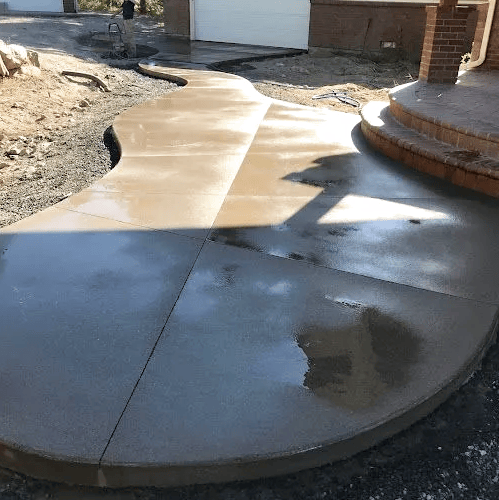
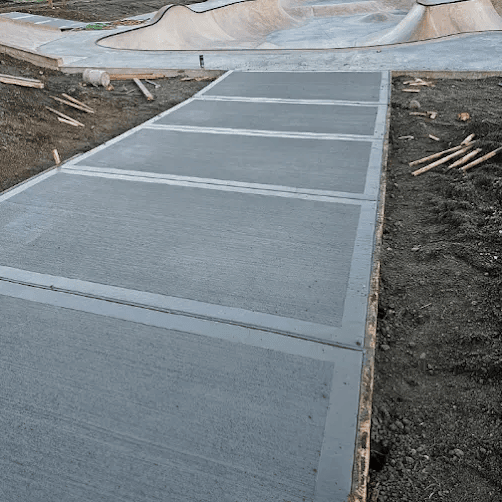
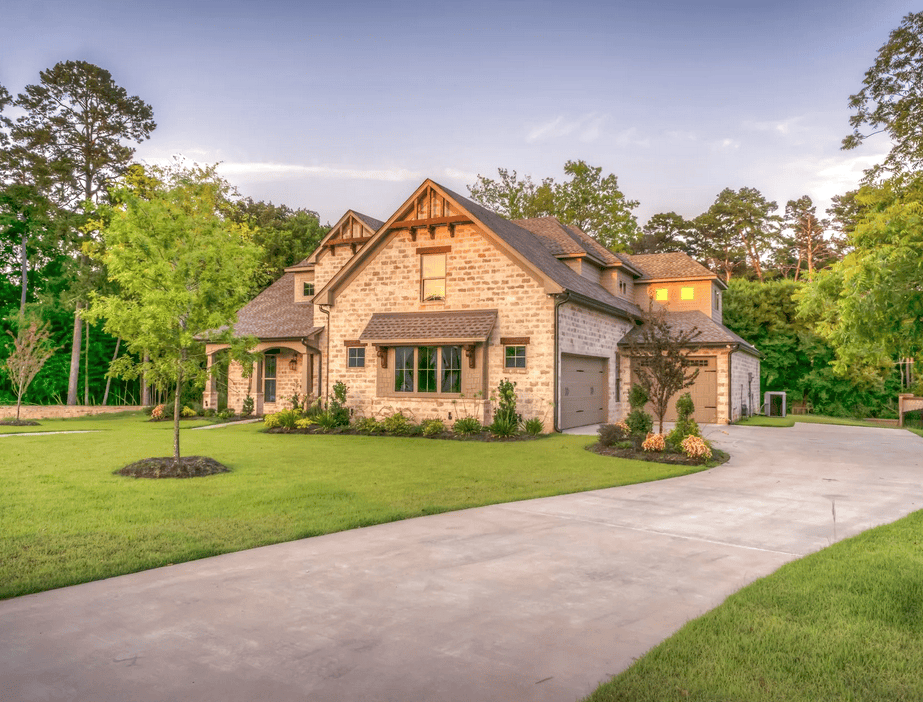
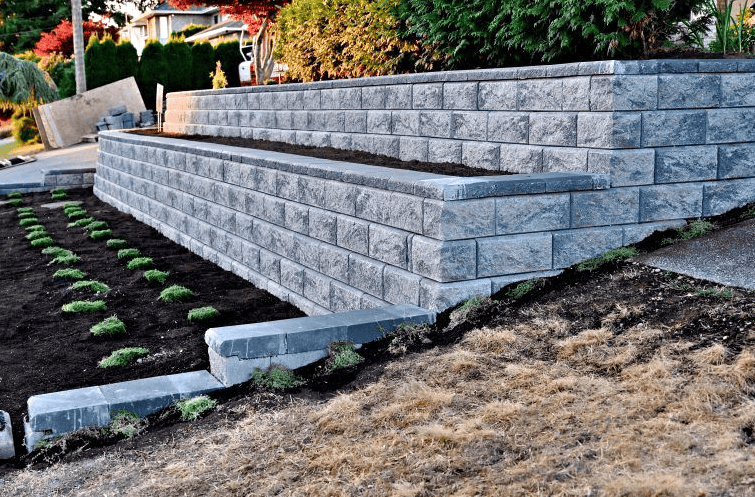
What Concrete Staining and Sealing Actually Does
If you are looking into decorative concrete finishes for your home or business in Greenville, it helps to understand what staining and sealing each do on their own and why combining them gives you the best result. We have spent over a decade working on concrete surfaces throughout neighborhoods like Augusta Road, Verdae, and Hollingsworth Park, so we know firsthand how the local climate and soil conditions affect how concrete looks and holds up over time.
How Staining Changes the Look of Concrete
Staining works by adding color directly into the surface of the concrete rather than sitting on top like paint. There are two main approaches we use. With acid stain vs water-based stain, the choice comes down to the look you want and the condition of the surface. Acid staining, which uses a mild reactive solution similar to diluted muriatic acid, creates earthy, mottled tones with natural variation. Water-based stains give you a wider range of concrete stain colors and more predictable, consistent results. Both penetrate into the concrete and bond with the surface rather than peeling or flaking off over time. We assess the existing surface profile and pH levels before recommending one over the other, because staining concrete floors on Greenville's Piedmont region aggregate mixes can behave differently than other areas.
How Sealing Protects the Surface
Once the color is set, sealing is what keeps everything protected. A good concrete sealant application forms a barrier that resists moisture, oil, UV rays, and surface wear. There are several concrete sealer types we work with depending on where the surface is and how much traffic it sees. A water-based acrylic sealer works well for many outdoor applications, while a polyaspartic coating holds up better in high-traffic or chemical-exposed areas like garage floors. We follow ASTM C309 and ASTM C1315 guidelines when selecting and applying sealers to make sure the product performs the way it should over time. Sealing outdoor concrete in Greenville also means accounting for the humidity along the Reedy River corridor and the freeze-thaw cycles we can see during winter months on Wade Hampton Boulevard and surrounding areas.
Why Staining and Sealing Work Best Together
Staining alone leaves the surface open to moisture and wear. Sealing alone does nothing for appearance. When we combine both, you get concrete that looks intentional and holds up through Greenville's rainy springs and hot summers. Outdoor concrete staining followed by proper sealing also reduces dusting, resists mold and mildew growth, and cuts down on routine concrete maintenance over the years. Skipping one step or doing them out of order is one of the most common reasons DIY concrete staining projects fail. With the right preparation, product selection, and application sequence, the finish lasts significantly longer and requires far less upkeep. This combination approach works across a wide range of surfaces, which is what we will cover next.
Surfaces We Stain and Seal in Greenville
We work on a wide range of concrete surfaces across Greenville, from older slabs in established neighborhoods like Augusta Road and North Main to newer pours in subdivisions like Hartness and Hollingsworth Park. No matter where your property sits or what condition the concrete is in, proper surface preparation and the right product selection make a real difference in how long the finish holds up. Greenville's humidity, summer heat, and occasional freeze-thaw cycles all play a role in how we approach each job.
Patios and Outdoor Living Areas
Patios take a lot of punishment from the elements. Outdoor concrete staining gives you a way to refresh a worn surface and add color without tearing anything out. We test for moisture before we apply anything, since Greenville's rainy seasons can push vapor through slabs and cause sealers to peel if the surface is not properly prepared. We also check the surface pH and profile before choosing a finish.
Driveways
Driveways along busy corridors like Wade Hampton Boulevard or tucked into quieter streets off Pleasantburg Drive all see regular wear from vehicle traffic, oil drips, and UV exposure. Sealing outdoor concrete on a driveway helps resist staining and slows surface deterioration. We use commercial-grade products that hold up far longer than what you would find at a home improvement store.
Garage Floors
Garage floors deal with oil, grease, road salt, and heavy foot traffic. When we prep staining concrete floors in a garage setting, we often use a shot blaster or a 20-inch planetary grinder with diamond tooling to open the surface properly. This step is where a lot of DIY concrete staining jobs fall short. Without the right surface profile, coatings like a polyaspartic coating or epoxy coating will not bond correctly and can peel within a year or two.
Pool Decks
Pool decks around Greenville need a sealer that handles standing water, chlorine exposure, and bare feet. Slip resistance is a real concern here, and we work that into our product selection. We can apply decorative concrete finishes that look good while still meeting practical safety needs. Surface texture and sheen level both factor into what we recommend for each pool deck we look at.
Sidewalks and Walkways
Sidewalks and walkways on residential and commercial properties benefit from a quality concrete sealant application that reduces cracking risk and keeps the surface easier to clean. In Greenville's Piedmont region, residual clay soil and ground movement can stress slabs over time, so we address any existing cracks before staining to prevent color inconsistency and further surface breakdown.
Basement Floors
Basement floors are a common project for homeowners in areas like Botany Woods and Chanticleer who want to make better use of the space. Moisture is the biggest factor underground, and we follow ASTM D4263 and ASTM F1869 protocols to test vapor emission before we commit to a finish system. A reactive penetrating sealer or densifier is sometimes the right starting point before any color goes down.
Each of these surfaces calls for a different approach, but the common thread is choosing the right stain and sealer for the conditions. That decision starts with understanding your options, from concrete stain colors to finish types, which is exactly what we cover next.
A few years back, we took on a concrete staining and sealing job for a homeowner in the Greenville area near the Verdae community. The project seemed straightforward at first. You would think staining a large interior concrete floor would go smoothly, but we ran into a serious problem right away.
When we tested the existing concrete, we found that a previous contractor had applied a thick coating of floor wax years before. That wax had soaked deep into the surface. Acid stain needs to react directly with the concrete to create that rich, natural color you are looking for. With that waxy barrier sitting on top, the stain could not penetrate at all. If we had moved forward without addressing it, you would have ended up with a blotchy, uneven floor that peeled within months.
We had to stop, regroup, and come up with a plan. Our crew spent two full days grinding and mechanically preparing the entire floor to strip away that old wax layer. It was slow, dusty work, and it pushed the project timeline back. We kept the homeowner informed every step of the way so there were no surprises on their end.
Once the surface was properly prepped, the acid stain soaked in evenly and produced a deep, earthy brown tone that looked great with the home's interior. The sealer locked everything in and has held up well through Greenville's humid summers and cold winters.
That job taught us to always run a full surface analysis before we begin any staining and sealing project. With over 20 years of combined concrete experience, including more than 10 years working right here in Greenville, we have learned that good prep work is what separates a lasting finish from one that fails.
Types of Concrete Stains We Use
Not every concrete surface takes color the same way. The mix design, age, finish type, and condition of your slab all affect how a stain will look once it cures. After more than 20 years pouring and finishing concrete, and over 10 years working on slabs across Greenville, we have a good feel for which stain type works best on which surface. Here is a breakdown of what we use and why.
Acid Stains
Acid staining uses a chemical reaction between metallic salts and the minerals in your concrete to create color. Because the reaction depends on what is already in the slab, results vary from surface to surface. That variation is actually part of the appeal. You get a mottled, marbled look that cannot be replicated with paint or coating. We typically use acid staining on broom-finished concrete and trowel-finished slabs where the surface has good mineral content and has fully cured. On concrete in older Greenville neighborhoods like Augusta Road or Chanticleer, where slabs may have been poured decades ago, we test for surface pH before committing to this method. The surface needs to fall within a pH 7 to 9 range for the stain to react properly. Color options tend toward earth tones like tans, browns, and terra cottas, which suit the natural look many homeowners in this area prefer for patios and pool decks.
Water-Based Stains
Water-based stains give us more control over color and consistency. Rather than relying on a chemical reaction, they penetrate the surface and deposit pigment directly into the concrete. This means the color you see on a sample card is much closer to what you will get on your slab. For staining concrete floors in garages, basements, and interior spaces, water-based stains are often the better fit. They are also a stronger choice when you need to match or blend color across a repaired area, which comes up regularly on driveways and sidewalks where sections have been patched. Low-VOC water-based options are available if that matters to you.
Concrete Dyes
Dyes penetrate deeper and faster than most stains and are available in a much wider range of colors, including blues, greens, and other tones you simply cannot get with acid staining. We often use acetone dye on interior floors where a vibrant or custom color is part of the design. One thing worth knowing: dyes are not as UV stable as other options, so for outdoor concrete staining on patios or driveways that get full sun, we factor that into our sealer selection to help protect the color from fading over time.
Decorative Overlays with Color
When a slab is too deteriorated for staining alone, or when you want a completely different surface texture, a decorative overlay is worth considering. We apply a thin cementitious layer over the existing concrete and then add color through integral pigments or broadcast color hardener. This approach works well on pool decks and patios throughout communities like Verdae and Hollingsworth Park, where homeowners want an updated look without tearing out and repouringthe slab. Stamped concrete overlay patterns and microtoppings are both options depending on the thickness and texture you are after.
How to Choose the Right Stain Type for Your Project
The right choice comes down to a few key factors: where the surface is located, its current condition, the look you want, and how much traffic it handles. When we look at a project, we check the surface profile, test for moisture using an infrared moisture meter, and assess whether the slab meets a CSP 1 to 3 surface profile before recommending a product. DIY concrete staining guides tend to skip these steps, which is part of why results can be inconsistent. We also consider Greenville's humidity and seasonal rainfall patterns, which affect how and when we can apply certain products. Comparing acid stain vs water-based stain options is not just about appearance. It is about matching the product to the slab, the environment, and how you plan to use the space. Once we settle on the right stain type, the next decision involves which sealer to apply over it and what level of sheen fits your surface.
Sealer Options and Finish Levels
Choosing the right sealer matters just as much as choosing the right stain color. Greenville's climate brings humidity, heavy rain, pollen, and occasional freeze-thaw cycles, all of which affect how a sealer performs over time. We match the sealer type to your specific surface, traffic level, and exposure conditions so you get protection that actually lasts.
Penetrating Sealers
Penetrating sealers work below the surface rather than on top of it. Products like sodium silicate or lithium silicate react with the concrete itself to block moisture from moving through the slab. These are a solid choice for driveways, sidewalks, and outdoor concrete staining projects where you want protection without changing the surface appearance much. They hold up well in areas with residual clay soil common throughout the Piedmont region, where ground moisture can push up through slabs over time.
Topical Acrylic Sealers
A water-based acrylic sealer sits on top of the concrete and forms a protective film. These are popular for patios and pool decks around neighborhoods like Verdae and Chanticleer because they enhance concrete stain colors and give the surface a clean, finished look. Acrylic sealers are also easier to recoat down the road, which helps with long-term concrete maintenance. We follow surface pH requirements, targeting a pH between 7 and 9 before application, to prevent adhesion failures that are common with DIY concrete staining attempts.
Epoxy and Polyurethane Sealers
For garage floors, basements, and high-traffic commercial surfaces, epoxy coating and polyaspartic coating options offer a much thicker, more durable film. These concrete sealer types resist oil, chemicals, and abrasion better than acrylics, making them a practical choice for busy spaces. Polyaspartic coatings in particular cure quickly and handle UV exposure without yellowing, which matters for surfaces that see direct sunlight along corridors like Augusta Street or Woodruff Road. We apply these using an airless sprayer and squeegee applicator to maintain even coverage and hit the proper dry film thickness.
Matte, Satin, and High-Gloss Finish Options
Sheen level is a personal choice, but it also affects how the surface reads in different lighting. Matte finishes look natural and work well with acid-etched concrete or broom-finished concrete. Satin finishes add a subtle depth that complements most decorative concrete finishes. High-gloss finishes are popular for interior floors and show areas, though they tend to show scuffs more readily in heavy-traffic zones. We walk you through the options before any concrete sealant application begins so the result matches what you actually want.
Slip-Resistant Additives for Wet Surfaces
Pool decks, exterior stairs, and walkways near water features like those around Conestee Park or Linky Stone Park need more than just a good-looking finish. We can mix slip-resistant additives directly into the sealer before application. This gives the surface traction without a rough, uncomfortable texture underfoot. It is a simple step that makes a real difference in safety, especially during Greenville's rainy spring and summer months.
Once we settle on the right sealer and finish for your project, the next step is making sure your concrete is properly prepared before anything goes down. That preparation work is what separates a finish that lasts from one that peels or fades within a season, and it is something we take seriously on every job we do.
Our Surface Preparation Process
Before we apply any stain or sealer, we spend a significant amount of time preparing the surface. This step is what separates a finish that lasts years from one that peels, blotches, or fades within a single season. If you skip or rush prep work, no product on the market will save the job.
Why Prep Work Determines the Final Result
When it comes to staining concrete floors or sealing outdoor concrete, the quality of the finished surface depends almost entirely on what happens before any product is applied. A poorly prepared surface will reject stain unevenly and cause sealers to bubble, delaminate, or cloud over. We follow preparation standards aligned with ICRI 310.2R and ACI 302.1R, which give us a reliable framework for assessing what each surface needs before we begin.
Cleaning and Degreasing the Surface
We start by thoroughly cleaning the concrete to remove oil, grease, dirt, mold, and any previous coatings. For driveways and garage floors around areas like Augusta Road or Verdae, oil contamination is one of the most common issues we find. We use a pressure washer combined with a wet-dry HEPA vacuum to pull up loosened material, and we degrease the surface before moving forward. Any residue left behind will block stain penetration and cause uneven color, which is a problem that cannot be corrected once the stain is down.
Crack and Joint Repair Before Staining
We inspect every crack, spall, and control joint before touching the surface with any stain or sealer. Cracks that go untreated will telegraph through decorative concrete finishes and cause premature failure along those lines. We repair structural cracks and surface spalls using materials appropriate to the depth and width of the damage. Joints are cleaned and properly filled so the final surface reads consistently across the entire area.
Grinding and Shot-Blasting When Needed
For surfaces with heavy coatings, laitance, or contamination too deep for chemical cleaning alone, we bring in a 20-inch planetary grinder with diamond tooling or a shot blaster. These tools open the concrete pores and create the surface profile needed for stains and sealers to bond correctly. We target a CSP 1-3 surface profile depending on what product system you are using. DIY concrete staining attempts often fail at this stage because the surface profile is never properly achieved with consumer-grade equipment, and the stain simply sits on top rather than penetrating the concrete.
Testing for Moisture and Surface Porosity
This step matters more in Greenville than in many other parts of the country. We use an infrared moisture meter and conduct plastic sheet testing consistent with ASTM D4263 to measure moisture vapor coming through the slab. We also check surface pH, aiming for a reading between 7 and 9 before any sealer goes down. Applying a water-based acrylic sealer or a polyaspartic coating over a slab with high moisture vapor emission is one of the most common reasons sealers fail in the Upstate. Greenville sits in the Piedmont region, where residual clay soil and high humidity contribute to elevated slab moisture year-round. Understanding those conditions is part of what we bring to every job.
All of this prep work ties directly into how Greenville's specific climate affects which products we choose and how we apply them.
Local Concrete Experts Who Know Greenville Soil and Weather
We are a concrete contractor based in Greenville, SC, and we have been pouring and finishing concrete in this area for over 10 years. Our crew brings more than 20 years of combined hands-on experience to every job, from small residential repairs to large commercial pours.
Working in Greenville means we know this area well. We understand the local soil conditions, the humidity that comes with South Carolina summers, and how the seasonal temperature swings here can stress a concrete surface if the mix and curing process are not handled correctly. That kind of local knowledge matters on every job we take on, whether we are installing a driveway in Simpsonville, a pool deck in Taylors, or a commercial slab in downtown Greenville.
We handle the full range of concrete work. That includes driveways, patios, garage floors, pool decks, sidewalks, foundations, retaining walls, stamped and decorative concrete, concrete cutting and removal, resurfacing, sealing, and staining. We also work on commercial and industrial projects, including parking lots, warehouse floors, and ADA-compliant ramps and sidewalks.
When you hire us, you get a crew that shows up prepared. We handle permits, site prep, forming, pouring, finishing, and cleanup. We carry insurance and stand behind our work with a written warranty. You will know exactly what is included before we start, and we keep you informed throughout the project.
If you have a concrete project coming up and want to know what it will take to get it done right, we are glad to come out, take a look, and give you a free estimate.
How Greenville's Climate Affects Concrete Staining and Sealing
If you live in the Upstate, you already know the weather here can be hard on outdoor surfaces. Between the summer heat, heavy rainfall, and the humidity that rolls in off the Reedy River corridor, concrete takes a beating year-round. We have spent over 10 years working on concrete surfaces across Greenville, from Augusta Road to Hartness and Pebble Creek, so we understand how local conditions affect the way staining and sealing jobs need to be done.
Heat, Humidity, and UV Exposure in the Upstate
Greenville sits in the Piedmont region, where summers bring intense sun and high humidity together. UV exposure causes unsealed or poorly sealed concrete to fade and chalk over time, especially on south-facing patios and driveways along busy corridors like Woodruff Road or Augusta Street. When we apply decorative concrete finishes or work on staining concrete floors in outdoor settings, we factor in UV-stable products that hold color without breaking down under prolonged sun exposure. High relative humidity also matters during application. We test surface conditions before we start because applying a sealer when humidity is above 50% or surface temperature is pushing past 75 degrees can cause blushing, bubbling, or a cloudy finish that ruins an otherwise solid job.
Freeze-Thaw Cycles and How Sealing Helps
Greenville does not get extreme winters, but freeze-thaw cycles still happen here, especially from late November through February. Water that works its way into unsealed concrete expands when it freezes, which leads to surface spalling and small cracks that grow over time. A properly applied sealer forms a moisture barrier that reduces water penetration and helps protect against this kind of damage. When we select concrete sealer types for outdoor use, we look for products rated to handle the moisture and temperature swings common to South Carolina, including options like polyaspartic coatings and reactive penetrating sealers that bond with the concrete rather than sitting on top of it.
Mold, Mildew, and Algae Concerns in Humid Conditions
Greenville's humidity does not disappear after summer. Shaded patios, pool decks, and walkways near areas like Cleveland Park or along the Swamp Rabbit Trail corridor stay damp enough for long stretches that mold, mildew, and algae can take hold on bare or aging concrete. Sealing outdoor concrete with the right product significantly reduces the surface moisture that these organisms need to grow. We also address surface pH before sealing, targeting a pH range of 7 to 9, which discourages biological growth and helps the sealer bond correctly to the slab.
Choosing Products Rated for South Carolina Weather
Not every sealer or stain performs the same way in Greenville's climate. Products that work well in dry western states can fail here because they are not built for sustained humidity and heat. We use commercial-grade materials from trusted manufacturers that are tested for conditions like ours, and we match the product to the surface type, whether that is acid-etched concrete, trowel-finished concrete, or an existing decorative overlay. When comparing acid stain vs water-based stain options, for example, the choice partly comes down to how the local aggregate in your slab will react, which is something we assess before recommending a direction. Getting this right from the start means your finish lasts longer and requires less maintenance down the road.
Product selection also connects to what you want for the environment around your home or business. Many of the most durable options we use today are also formulated with lower chemical output, which leads directly into what you should know about eco-friendly and low-VOC product choices.
Eco-Friendly and Low-VOC Product Options
What Low-VOC Means for Stains and Sealers
VOC stands for volatile organic compound. These are chemicals that evaporate into the air as concrete stains and sealers dry. Some older solvent-based products, like those containing xylene or methyl ethyl ketone, release high levels of VOCs during and after application. That can affect air quality for your family, your neighbors, and the environment. Low-VOC products are formulated to release fewer of these compounds, making them a safer choice for enclosed or semi-enclosed spaces like garages and basements. Greenville County Building Safety may also factor product safety into applicable project requirements, so knowing what goes on your concrete matters.
Water-Based Products as an Environmentally Friendlier Choice
When thinking about acid stain vs water-based stain, it helps to know that water-based stains and sealers tend to carry significantly lower VOC levels than their solvent-based counterparts. A water-based acrylic sealer, for example, is easier to apply safely in areas with limited airflow and cleans up with water rather than harsh solvents. Brands like Prosoco and Consolideck offer water-based options that hold up well in Greenville's humid Piedmont climate. We also work with reactive penetrating sealers that use lithium silicate or potassium silicate. These soak into the slab rather than sitting on top, so there is very little surface film and minimal off-gassing. For sealing outdoor concrete around pools, patios near Cleveland Park, or driveways in neighborhoods like Verdae or Hollingsworth Park, these products perform reliably without the strong fumes associated with older formulas.
How Longer-Lasting Surfaces Reduce Construction Waste
One of the most practical environmental benefits of professional staining concrete floors and sealing is that a well-protected surface simply lasts longer. When concrete holds up against moisture, UV exposure, and the freeze-thaw cycles that affect Greenville during winter months, you avoid premature removal and replacement. That means less broken concrete headed to a landfill and fewer raw materials needed for new pours. Decorative concrete finishes applied correctly can add years to a surface that might otherwise need to be torn out and replaced within a decade. We follow surface preparation standards like ASTM C309 and ASTM C1315 to make sure the products we apply bond properly and last as long as possible, which benefits both your property and the broader environment.
Once you have a sense of the product options available to you, the next natural question is what the actual work looks like from start to finish. Here is a closer look at what to expect during the staining and sealing process.
What to Expect During the Staining and Sealing Process
Before we start any work, we walk the surface with you and take a close look at the condition of the concrete. We check for cracks, surface damage, and moisture levels using an infrared moisture meter. Greenville's humid climate, especially near areas like the Reedy River corridor or low-lying neighborhoods such as Sans Souci, means moisture vapor can cause a sealer to blister or peel if we skip this step. We follow ASTM D4263 guidelines to make sure the slab is ready before any product goes down.
Project Timeline from Start to Finish
Most residential staining and sealing jobs in Greenville take one to three days depending on the size of the surface and the products involved. Surface prep comes first. We grind or shot-blast the concrete to reach the right surface profile, which is typically a CSP 1-3 for most decorative concrete finishes. After prep, we apply the stain, let it react or dry fully, then apply the sealer in thin, even coats. Choosing between an acid stain vs water-based stain affects how long that middle stage takes, since acid stains require a neutralization step before sealing. We never rush this process. Skipping dry time is one of the most common reasons DIY concrete staining projects fail.
Site Access and What You Need to Do Before We Arrive
We ask that the surface be clear of furniture, vehicles, and any stored items before we show up. For garage floors in subdivisions like Verdae or Hollingsworth Park, that usually means pulling vehicles out the evening before. For patios and pool decks, move planters, grills, and outdoor furniture to a nearby area. If the surface has never been cleaned professionally, a pressure wash a few days before our visit helps, though we will do a final prep clean ourselves. Just let us know if there are any drainage concerns or nearby landscaping we should work around.
Drying and Cure Times Before Normal Use
After concrete sealant application, foot traffic is typically safe within 24 hours depending on temperature and humidity. Vehicle traffic on a driveway or garage floor usually needs 48 to 72 hours minimum. We pay close attention to the forecast since sealing outdoor concrete in Greenville during rainy stretches or when temperatures drop below 50 degrees can affect how the sealer cures. We schedule around weather windows and will let you know the full timeline before we wrap up the job. For surfaces coated with a polyaspartic coating, cure times are often shorter, which is one reason we use it for high-traffic areas.
HOA Approvals and Permits if Needed
Most staining and sealing work in Greenville does not require a permit from the City of Greenville Building Codes Division or Greenville County Building Safety. However, if you live in a neighborhood with an active HOA, such as Chanticleer or Hartness, you may need to submit a color or finish request before work begins. We recommend checking with your HOA early if you are considering bold concrete stain colors or a high-gloss finish that could affect curb appeal standards. We are happy to provide product samples or a written project description to help you get that approval.
Once you have a clear picture of how the process works from start to finish, the next natural question is what the work will actually cost. Pricing for concrete staining and sealing in Greenville depends on several factors, and we want to give you a straightforward look at what goes into a typical estimate.
Cost of Concrete Staining and Sealing in Greenville, SC
We get asked about pricing more than almost anything else, and that makes sense. Before you commit to a project, you want to know what you are getting into. Most concrete staining and sealing jobs in Greenville range from a few hundred dollars for a small patio to several thousand for a large driveway or basement floor. The exact number depends on a handful of things we will walk through below.
Factors That Affect the Price of Your Project
Square footage is the most obvious factor, but it is far from the only one. The current condition of your concrete matters a great deal. If your surface has cracks, spalling, or a rough texture from years of exposure to Greenville's humidity and seasonal weather, we need to address those issues before any staining or sealing begins. That prep work, which may involve grinding with a 20-inch planetary grinder or running a shot blaster over the surface, takes time and adds to the overall cost. Skipping it leads to poor adhesion and a finish that fails early.
The type of finish you choose also plays a big role. Acid stain vs water-based stain options sit at different price points, and decorative concrete finishes like stamped overlays or microtoppings cost more than a basic sealer coat. Concrete stain colors that require multiple applications or custom blending take longer to apply. The sealer type matters too. A water-based acrylic sealer costs less upfront than a polyaspartic coating, but the right choice depends on traffic levels, UV exposure, and how much moisture your slab deals with. Homes near the Reedy River or in areas with residual clay soil, which is common throughout the Piedmont region, often see more moisture movement beneath slabs, and that affects which products we use.
Access to the work area, the age of the slab, and whether the concrete has been previously sealed all factor into our pricing as well.
Staining and Sealing Versus Full Concrete Replacement
Staining and sealing outdoor concrete or staining concrete floors inside a garage or basement is almost always more cost-effective than tearing out and replacing the slab. Replacement means demolition, haul-off, new formwork, fresh pours, and a 28-day cure period before you can finish the surface. Staining and sealing an existing slab in good structural condition typically costs a fraction of that while giving you a surface that looks better, resists stains, and lasts longer with proper care.
That said, staining is not a fix for concrete that is structurally compromised. If a slab has significant heaving, deep structural cracks, or has fallen below a 3000 psi minimum compressive strength, replacement or a full concrete resurfacing approach may be the better path. We will tell you honestly which option fits your situation when we come out to look at the work.
How to Get an Accurate Quote From Us
The most reliable way to get a firm number is to have us come out and look at the surface in person. We use an infrared moisture meter to check for moisture vapor issues, assess the surface profile, and note any repairs needed before we apply anything. With over 20 years of combined concrete experience and more than a decade working specifically in Greenville, we know what local conditions tend to throw at a project and how to account for that in our estimates.
When you contact us, it helps to have a rough measurement of the area, a few photos if possible, and any details about what the surface is used for and how much foot or vehicle traffic it sees. We can usually provide a clear written quote that breaks down prep, materials, labor, and the concrete sealant application process so you know exactly what you are paying for.
Once your project is complete, keeping the finish in good shape over the long term is straightforward with the right maintenance plan and re-sealing schedule, which we cover in the next section.
Warranty, Maintenance, and Re-Sealing
What Our Warranty Covers
When we complete a concrete staining and sealing project, we stand behind the work. Our warranty covers defects in application, including peeling, bubbling, or uneven adhesion that result from how we prepared and applied the finish. We follow ASTM C1315 standards for sealer performance and verify surface conditions with an infrared moisture meter before any product goes down. If a finish fails because of something on our end, we come back and make it right. What a warranty does not typically cover is normal wear over time, damage from sharp objects or heavy impact, or problems caused by standing water from drainage issues outside of our control. We are happy to walk you through exactly what is and is not included before work begins so there are no surprises.
Day-to-Day Maintenance Tips for Stained and Sealed Concrete
Keeping your concrete looking good does not take much effort. For most surfaces, regular sweeping and an occasional rinse with a garden hose or light pressure wash is enough to handle everyday dirt and pollen, which can build up quickly in Greenville, especially in spring. For staining concrete floors indoors like basements or garages, a damp mop with a pH-neutral cleaner works well. Avoid harsh chemicals, bleach, or anything acidic, since these can break down the sealer over time. For driveways and garage floors, clean up oil or fluid spills as soon as you notice them. The sealer provides a barrier, but sitting fluids left too long can still work their way in. Following basic concrete maintenance tips like these will stretch the life of your finish and keep re-sealing intervals further apart.
How Often You Should Re-Seal Your Concrete in Greenville
Re-sealing schedules depend on the sealer type and how much wear the surface gets. A water-based acrylic sealer on an outdoor patio in the Greenville area typically needs to be reapplied every one to three years. Solvent-based or polyaspartic coatings on high-traffic driveways or garage floors can last three to five years before needing attention. Greenville sits in the Piedmont region where humidity stays high for much of the year and the area sees a fair amount of rainfall off the Reedy River corridor. That moisture exposure, combined with UV from long summer seasons, puts real stress on surface finishes. We factor all of that in when recommending the right concrete sealer types and re-seal intervals for your specific surface.
Signs That Your Concrete Needs Re-Sealing
A few clear signs tell you the sealer is wearing out. If water no longer beads on the surface and instead soaks straight in, the sealer has lost its barrier. You may also notice the color of a stained surface looking faded, dull, or chalky, which is common with UV exposure on outdoor concrete staining in areas with direct sun exposure. Flaking or white hazy patches, sometimes called blushing or efflorescence, are also signals that moisture is getting through. On garage floors and driveways, if oil stains are penetrating where they did not before, that is another sign the protective layer is gone. If you are unsure, we can inspect the surface and let you know where things stand before recommending next steps.
Understanding what goes into maintaining your finished concrete helps set realistic expectations, but it also helps to work with a contractor who knows these surfaces and this area well. That is exactly what we bring to every project we take on in Greenville.
Why Choose Us for Concrete Staining and Sealing in Greenville
When you are looking for someone to stain or seal your concrete in Greenville, SC, it helps to know who you are working with. We have over 20 years of combined experience pouring and finishing concrete, and more than 10 years working specifically in the Greenville area. That time in the field means we have seen how local conditions affect concrete, and we know how to plan around them.
Our Experience Pouring and Finishing Concrete
We started with the basics, pouring slabs and finishing surfaces across Upstate South Carolina. That foundation matters when it comes to staining concrete floors or sealing outdoor concrete, because understanding how concrete is built is what tells us how it will absorb color, hold a sealer, or respond to surface preparation. We have worked on everything from broom-finished concrete driveways to trowel-finished garage floors, and we know how each surface type behaves differently when you apply a stain or topcoat.
Licensed, Insured, and Familiar with Greenville Conditions
We are fully licensed and insured, which protects you if anything unexpected comes up during a project. Beyond the paperwork, we know Greenville's climate well. The Piedmont region gets humid summers, heavy spring rain, and occasional hard freezes in winter. Those conditions affect which concrete sealer types we recommend, how we time the application, and what moisture levels we check for before we begin. We use an infrared moisture meter to test slabs before applying any product, and we follow ASTM D4263 guidelines to avoid the bubbling and peeling that comes from sealing over a damp surface. Surface pH is also checked before sealing, ideally between pH 7 and 9, which is a step many contractors skip.
Portfolio, Before and After Photos, and Customer Reviews
We encourage you to look at our work before making a decision. Our portfolio includes completed projects across neighborhoods like Verdae, Hollingsworth Park, and Augusta Road, covering patios, pool decks, driveways, and garage floors. Before and after photos give you a realistic idea of what decorative concrete finishes look like once the work is done, and honest customer reviews tell you what it was like to work with us from start to finish.
Combined Services We Offer Alongside Staining and Sealing
Staining and sealing often makes the most sense as part of a broader project. We also handle crack repair, joint work, surface grinding, and concrete resurfacing techniques like microtoppings and stamped concrete overlays. If your slab needs a densifier applied before a topcoat, or if you want a polyaspartic coating for a high-traffic garage floor, we can handle that as part of the same visit. Combining services saves you time and helps ensure every step is done in the right order.
If you have questions about what your specific surface needs, or you want to talk through options before committing to anything, we are ready to take a look and give you a straightforward assessment.
Ready to Get Started with Concrete Staining and Sealing in Greenville
Recap of What Staining and Sealing Can Do for Your Concrete
Whether you have a patio off Augusta Road, a garage floor in Verdae, or a pool deck in Hartness, staining and sealing your concrete is one of the most practical upgrades you can make. The right concrete stain colors and finish transform a dull gray slab into something that actually looks like it belongs there. Beyond looks, a proper concrete sealant application protects the surface from Greenville's humidity, heavy spring rains, and the wear that comes with everyday use.
Here is a quick look at what you get when the job is done right:
- Better curb appeal with customizable decorative concrete finishes and color options
- A moisture barrier that reduces water penetration, efflorescence, and mold growth
- Protection against oil, grease, UV fading, and surface staining
- Longer-lasting concrete with less dusting, cracking, and surface wear
- Slip-resistant options for wet areas like pool decks and walkways
- Easier cleaning with simple sweeping and occasional pressure washing
- A cost-effective path compared to full removal and replacement
- Improved property value and a cleaner overall appearance
Trying to handle DIY concrete staining without the right prep, products, and equipment often leads to peeling, blotchy color, or sealer failure within a season or two. Getting the surface moisture-tested, properly ground to the right profile, and sealed with a commercial-grade product like a polyaspartic coating or water-based acrylic sealer makes a real difference in how long the finish holds up.
How to Reach Us and Get Started
We have spent over 10 years working on concrete surfaces across Greenville and bring more than 20 years of combined experience to every job. We know the local conditions, including the residual clay soil common in the Piedmont region, the humidity levels that affect how products cure, and the seasonal temperature swings that influence which concrete sealer types perform best here. We use professional equipment, commercial-grade materials, and proven methods to get results that hold up.
When you work with us, you get:
- Honest surface assessment and moisture testing before any product touches your concrete
- Proper crack and spall repair so the finished surface looks clean and consistent
- Guidance on acid stain vs water-based stain options based on your surface and goals
- Professional preparation using equipment like a shot blaster or planetary grinder for real adhesion
- Product selection matched to your traffic level, sun exposure, and Greenville's climate
- Slip-resistance options where safety matters most
- Post-job care guidance and recommended re-seal intervals to protect your investment
- A licensed and insured team with local references you can actually check
We serve homeowners and businesses throughout Greenville, including neighborhoods like North Main, Botany Woods, Hollingsworth Park, Pebble Creek, and beyond. If you are ready to improve and protect your concrete, we make it simple to get started. Fill out the quote form below or give us a call today to get your free project estimate.
Greenville SC Concrete
220 N Main St
Greenville, SC 29601
Business Hours
| Mon | 8:00 AM – 7:00 PM |
| Tue | 8:00 AM – 7:00 PM |
| Wed | 8:00 AM – 7:00 PM |
| Thu | 8:00 AM – 7:00 PM |
| Fri | 8:00 AM – 7:00 PM |
| Sat | 9:00 AM – 6:00 PM |