Concrete Resurfacing in Greenville
Greenville Concrete Resurfacing You Can Count On
We serve Greenville, SC and surrounding areas
We provide concrete resurfacing services throughout Greenville, SC and the surrounding Upstate region. That includes neighborhoods like Augusta Road, North Main, Taylors, Mauldin, Simpsonville, Greer, and Travelers Rest, along with subdivisions such as Hartness, Botany Woods, Thornblade, and Hollingsworth Park. Whether your property sits just off Wade Hampton Boulevard or out near Woodruff Road, we can get to you. We schedule assessments quickly and work to keep your project moving without long delays.
Common problems that bring homeowners to consider resurfacing
If your driveway, patio, or garage floor is looking rough, you are not alone. Cracking, spalling, surface discoloration, and worn-out finishes are some of the most common things we see. A lot of homeowners reach out because they want to repair driveway damage before it gets worse, or because they want their outdoor surfaces to look and function better without paying for a full tear-out. Resurfacing is often the right answer. It covers minor surface defects, adds a fresh finish, and extends the life of a slab that still has good structural integrity underneath. A proper concrete surface restoration explained clearly comes down to this: you are not replacing what works, you are renewing the surface layer so the whole slab performs better for years ahead. We can walk you through whether your slab qualifies during an on-site visit.
Local knowledge: Greenville soil, weather, and neighborhood context
We have been working in Greenville for over ten years, and we know this area well. The Piedmont geology here means a lot of properties sit on red clay and saprolite, which can shift with moisture changes and put stress on concrete slabs over time. Greenville also sees enough humidity, summer heat, and occasional winter freeze cycles to affect how overlays and coatings hold up if they are not applied correctly. We factor in those conditions when we choose materials like polymer-modified overlays or a polyaspartic coating, and when we time the work around weather windows. Older homes along Augusta Street or near Cleveland Park, for example, often have original concrete that has held up well structurally but needs surface-level attention. We bring that kind of local familiarity to every job.
Greenville homeowner FAQ: resurfacing basics
What surfaces can be resurfaced? Most horizontal concrete surfaces are good candidates, including driveways, patios, pool decks, sidewalks, and garage floors. We assess each slab individually before recommending a path forward.
How do I know if I need resurfacing or replacement? That depends on the condition of the slab beneath the surface. If the structure is sound but the top layer shows cracking, spalling, or wear, resurfacing is usually the smarter choice. We check for things like substrate voids, settlement, and rebar issues during our assessment.
What does the process involve? Good surface preparation is the foundation of any lasting result. We use equipment like a shot blaster or diamond grinder to open the surface so the overlay bonds properly. From there, the steps depend on what finish you choose, whether that is a decorative concrete look, a stamped concrete pattern, an epoxy coating, or a clean broom finish.
Do I need a permit? In many cases, resurfacing does not require a permit, but it depends on the scope of work and your location. If permits are needed, we are familiar with the City of Greenville Building Codes Division and Greenville County Building Safety processes and can help you understand what applies to your project.
If you want to understand exactly what resurfacing involves from a materials and methods standpoint, the next section breaks that down for you.
What Concrete Resurfacing Is
Simple Definition of Concrete Resurfacing
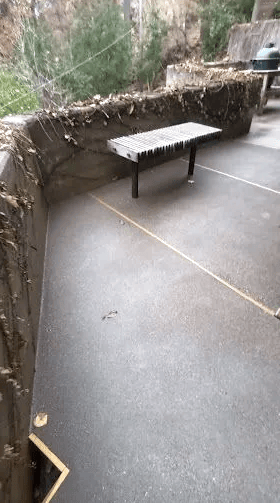
Concrete resurfacing means applying a new layer of material over your existing slab instead of tearing it out and starting over. We bond a polymer-modified overlay or similar product directly to the old surface, giving it a fresh top layer that looks and performs like new concrete. The result is a surface that holds up to daily use without the cost and disruption of full replacement.
How Resurfacing Differs from Replacement
Replacement means breaking out the old slab, hauling away the debris, and pouring fresh concrete from the ground up. That process takes heavy equipment, more time, and a much larger budget. Concrete resurfacing skips all of that. We work with what is already there, which keeps costs lower and gets your surface back in use faster. A typical resurfacing project also produces far less waste, which matters to a lot of homeowners we work with across Greenville.
What Types of Surfaces Can Be Resurfaced
We resurface driveways, patios, pool decks, garage floors, and sidewalks. Driveway resurfacing is one of the most common jobs we handle in neighborhoods like Augusta Road, North Main, and out toward Simpsonville and Greer. Garage floors benefit from epoxy coating or a fiber-reinforced overlay, while pool decks often call for a slip-resistant finish with a polyurethane sealer to handle moisture. If it is a flat concrete surface, there is a good chance we can resurface it.
When Resurfacing Is and Is Not the Right Option
Resurfacing works well when the existing slab is structurally sound but shows surface wear, minor cracking, spalling, or discoloration. Good surface preparation and crack filling before the overlay goes down are what make the difference between a surface that lasts and one that fails early. We use an infrared moisture meter and follow guidelines close to ICRI Guideline No. 310.2R to assess the slab before we recommend anything.
That said, resurfacing is not always the answer. If the slab has shifted significantly due to Greenville's red clay and expansive soil conditions, if there are voids underneath, or if the concrete has deteriorated deeper than the surface, replacement is the more responsible path. We will tell you honestly which one fits your situation after we look at it in person, which leads right into knowing what warning signs to watch for in the first place.
Signs Your Concrete May Need Resurfacing
After more than 20 years pouring and finishing concrete, and over 10 years working specifically in Greenville, we have seen just about every condition a slab can develop. Knowing what to look for helps you decide whether concrete resurfacing is the right move or whether something more serious is going on. Below are the most common signs we see on driveways, patios, pool decks, and garage floors across neighborhoods like Augusta Road, North Main, and Mauldin.
Surface Cracks and Minor Spalling
Hairline cracks and small surface fractures are normal over time. Greenville sits on Piedmont geology with red clay and expansive soil underneath, and that ground movement puts stress on slabs year-round. When cracks are shallow and the slab underneath is still solid, crack filling followed by a concrete overlay is often all that is needed. Spalling, where the top layer flakes or chips away, is another condition we regularly address with cement resurfacing before it spreads further.
Discoloration, Staining, and Fading
Oil stains, rust marks, and UV fading are common on driveways along busy corridors like Woodruff Road or Augusta Street. These issues do not affect the strength of your slab, but they do affect how your property looks. Decorative concrete options like acid stain or stamped concrete overlays can cover discoloration while giving the surface a completely updated appearance.
Scaling and Pitting from Weather or Salt Exposure
Greenville does not get harsh winters like areas further north, but we do see occasional freeze-thaw cycles that cause scaling on surfaces that were not sealed properly. Deicers make this worse. Scaling leaves a rough, pitted texture that traps dirt and moisture. In these cases, proper surface preparation using a shot blaster or diamond grinder removes the damaged layer so a new polymer-modified overlay can bond correctly, following guidelines consistent with ICRI Guideline No. 310.2R.
Uneven Texture and Trip Hazards
Settled sections, raised edges, and worn-smooth patches create real safety risks, especially on pool decks, sidewalks, and driveway resurfacing projects near garages. We use floor leveling methods and self-leveling underlayment where appropriate to restore a safe, even surface. Slip-resistant finishes can then be applied to reduce risk further, which matters on surfaces around water or high-traffic areas.
Conditions That Require Replacement Instead
Resurfacing is not the right answer for every slab. When we see widespread structural cracking, significant slab heave from tree roots or shifting soil, voids underneath the concrete, or active rebar corrosion, a new pour is the more responsible choice. Applying an overlay on a slab that is failing underneath is a short-term fix that costs you more in the long run. Concrete repair products can address isolated structural issues, but there are limits to what resurfacing can solve.
If you are unsure which category your slab falls into, that is exactly what our on-site assessment is designed to answer.
A few years back, we took on a concrete resurfacing job for a homeowner over in the Simpsonville area, just outside Greenville. The client wanted their cracked and faded driveway brought back to life, and on the surface, it looked like a straightforward project. We have seen plenty of driveways in rough shape over our 20-plus years of pouring and finishing concrete, so we felt confident going in.
What we did not expect was what we found once we started prepping the surface. After pressure washing and taking a closer look, we discovered that large sections of the existing concrete had what we call delamination, meaning the top layer was separating from the base beneath it. If we had just applied the resurfacer on top without addressing that, the new coating would have started peeling within a year. That would have been a waste of your money and our reputation.
We stopped, walked the homeowner through exactly what we were seeing, and laid out the options. Together, we decided to grind down the problem areas and apply a bonding agent before doing anything else. It added time to the project and required us to bring in extra equipment, but it was the right call.
When the resurfacing was done, the driveway looked clean and solid, and more importantly, it held up through the hot Greenville summers and the occasional winter freeze that followed. That job reminded us why surface prep is never something you rush. Doing it right the first time is always worth it.
Our On-Site Assessment Process
Before we recommend any work, we come out and take a close look at your slab in person. We have over 20 years of combined experience pouring and finishing concrete, and more than 10 years working right here in Greenville. That experience matters when it comes to reading a slab accurately. What looks like a simple surface problem from the street can sometimes point to something deeper, and we want to give you an honest picture before anything else.
What We Look at During an Assessment
We start by walking the entire surface. We check for spalling, scaling, discoloration, and uneven areas. We also look at how water moves across the slab. Poor drainage is a common issue on properties throughout areas like Augusta Road, Mauldin, and Simpsonville, and it affects how long any resurfaced surface will hold up. We use tools like an infrared moisture meter to check for moisture beneath the surface, since trapped moisture is one of the leading causes of coating failure.
How We Evaluate Cracks, Structural Integrity, and Drainage
Not every crack is the same. Hairline surface cracks are different from wider cracks that move or shift, which can signal substrate movement underneath. Greenville sits on Piedmont geology with red clay and expansive soil in many areas, and that ground movement shows up in concrete over time. We assess whether cracks are dormant or active, and we check for any signs of voids, rebar corrosion, or slab settling. Crack filling and floor leveling are sometimes needed before any overlay can go down. We follow ICRI Guideline No. 310.2R when classifying surface condition, which gives us a consistent way to document what we find and communicate it clearly to you.
How We Determine if Resurfacing Is a Viable Solution for Your Slab
Resurfacing works well when the existing slab is structurally sound and the damage is mostly at the surface level. A concrete overlay or polymer-modified topping needs a solid base to bond to. We perform a pull-off test to check bond strength, and we look for a minimum of 200 psi pull-off strength before moving forward with any overlay system. If the slab has significant structural failure, heaving, or severe cracking, we will tell you that honestly. In those cases, concrete repair or replacement may make more sense. But in many situations, a properly prepared surface can be resurfaced at a fraction of the cost of tearing it out.
What You Can Expect After the Assessment
After we finish the walkthrough, we sit down with you and go over what we found. We explain the condition of the slab, what surface preparation will be required, and which resurfacing approach fits your situation. We give you a clear cost estimate for the work, whether that involves driveway resurfacing, a patio, garage floor, pool deck, or sidewalks. We also cover the project timeline, what to expect during the job, and how long the finished surface should last with proper care. If any permits are needed through the City of Greenville Building Codes Division or Greenville County Building Safety, we factor that into the plan as well.
Once you have a full picture of your slab's condition and what the work involves, we can walk you through the resurfacing options and finishes that make sense for your project.
Resurfacing Options and Finishes We Offer
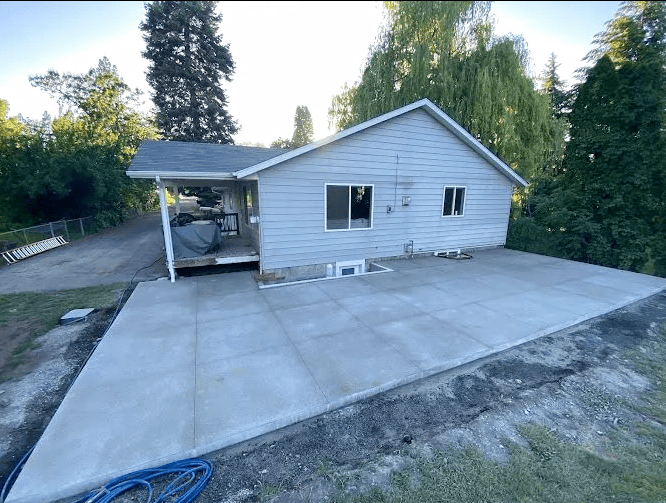
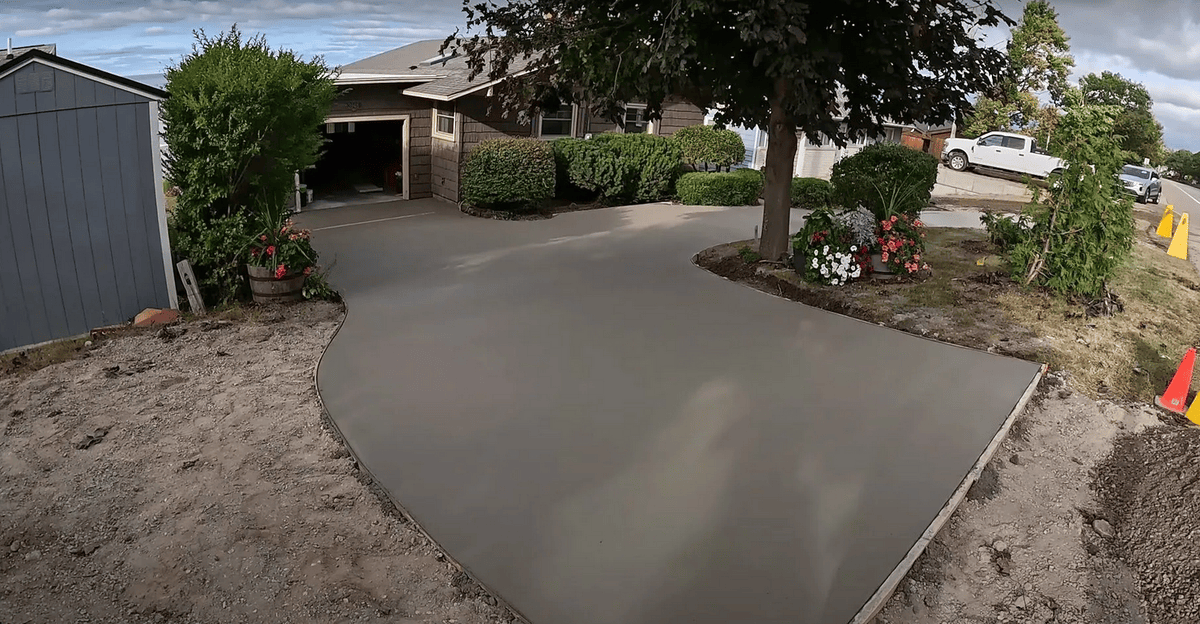
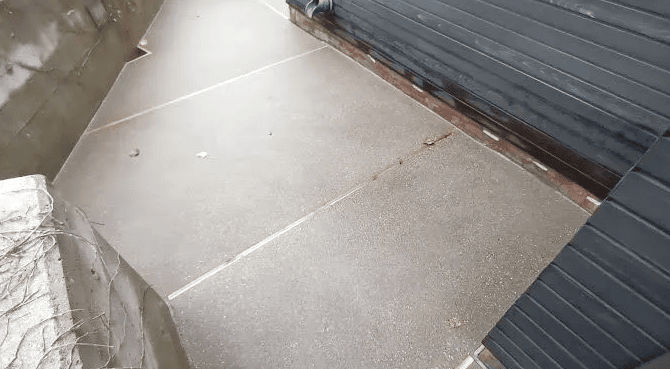
When your slab is structurally sound but worn, faded, or cracked at the surface, there are several ways we can restore it. The right option depends on where the surface is, how you use it, and the look you want. After we inspect your slab, we walk you through what makes sense for your situation.
Concrete Overlays
A concrete overlay is a polymer-modified layer applied over your existing slab. We use products from trusted manufacturers like Ardex and Mapei, typically at a 3/8 inch overlay thickness depending on the condition of the surface. Proper surface preparation is the most important step here. We use a shot blaster or diamond grinder to open the pores of the old concrete so the new material bonds correctly. Skipping that step leads to delamination, which is one of the most common failures we see from rushed work.
Microtoppings
A microtopping is a thin cement-based coating, usually applied at just a few millimeters thick. It gives a smooth, refined look and works well indoors on garage floors or interior slabs. Because it is so thin, concrete repair and crack filling must be done first, and moisture testing with a Tramex moisture meter is a step we never skip. Greenville's humidity can cause blistering if moisture vapor is not properly addressed before application.
Stamped Concrete Overlays
A stampable overlay lets us press patterns into the surface to mimic stone, brick, slate, or wood. We use products like Butterfield Color and Brickform that are designed to hold detail and stand up to the heat and UV exposure common along the I-85 corridor. This is a popular choice for patios and pool decks in neighborhoods like Thornblade, Chanticleer, and Hartness. Stamped concrete overlays are finished with a sealer to protect the color and surface texture over time.
Colored and Acid-Stained Finishes
We offer both integral color and reactive acid stains for decorative concrete projects. Acid staining reacts with the minerals in the existing slab to create natural, mottled tones that are unique to each surface. Results vary based on the age and mix of the original concrete, which is something we explain to you before any work begins. These finishes are sealed with a polyurethane sealer or an acrylic copolymer to protect the color from UV fading, which is a real concern here in Upstate South Carolina.
Epoxy Coatings
An epoxy coating is one of the most durable options available for garage floors and commercial-use surfaces. We apply it over a properly prepared slab at a minimum of 10 mil coating thickness, sometimes layered with quartz aggregate for slip resistance and texture. Epoxy resin bonds tightly to concrete when the surface profile is correct, and we use an infrared moisture meter beforehand because even a small amount of vapor drive can cause the coating to lift. For surfaces that need even faster cure times, we also offer polyaspartic coatings.
Broom, Polished, and Exposed Aggregate Finishes
Not every project needs color or pattern. A broom finish is a practical, slip-resistant option for driveways and sidewalks, and it is one of the most common choices for driveway resurfacing across Greenville. Polished finishes work well in covered areas and interior slabs where a clean, low-maintenance surface matters. Exposed aggregate brings texture and visual interest to patios and walkways without added color. Each of these concrete finishing options uses different resurfacing techniques and tools, but all of them start with the same careful prep work we apply to every job.
Once you know which finish fits your project, the next question is usually where it can be applied. We work on a wide range of surfaces around your home and property.
Areas We Resurface
We work on concrete surfaces throughout Greenville and the surrounding Upstate area, from neighborhoods like Augusta Road and North Main to communities in Mauldin, Simpsonville, and Greer. After more than 20 combined years pouring and finishing concrete, we have a clear sense of what surfaces hold up and what they need when they start to show wear. Below is a look at the specific areas we resurface and what goes into each one.
Driveways
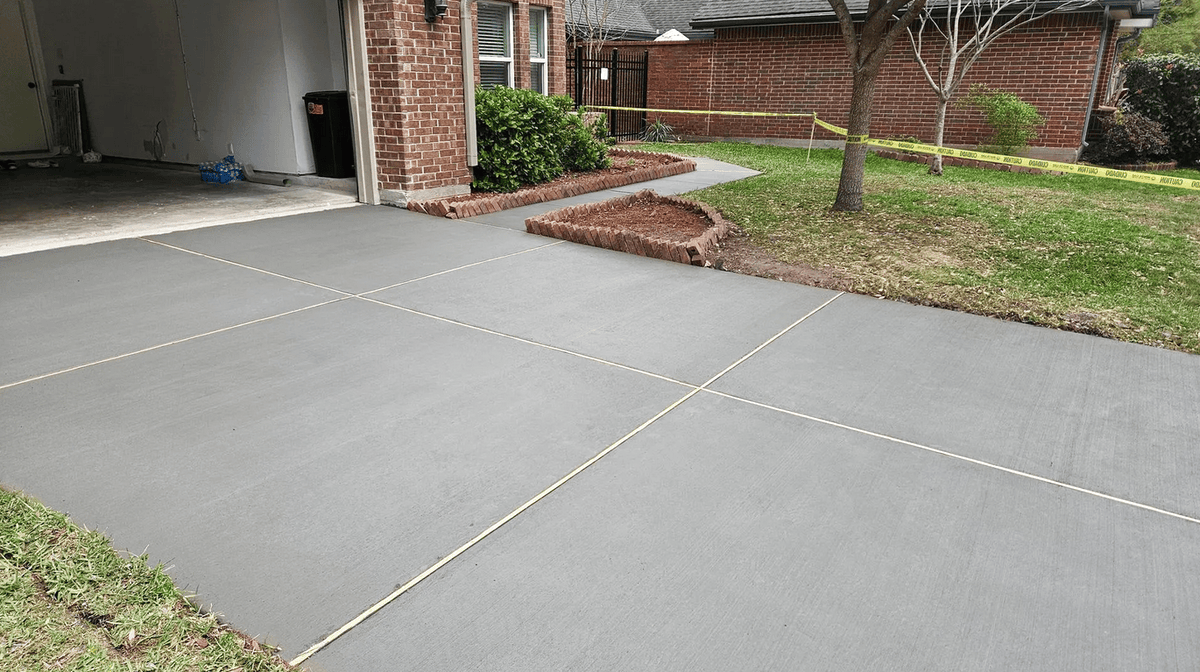
Driveway resurfacing is one of the most common requests we get. Greenville's red clay soil and occasional freeze-thaw cycles put real stress on concrete slabs over time, leading to surface scaling, minor cracking, and discoloration. When the slab underneath is still structurally sound, a concrete overlay or polymer-modified resurfacing system can bring a driveway back without the cost and disruption of a full tear-out. We assess crack patterns, drainage slope, and surface condition before recommending anything. If you need to repair driveway damage that goes deeper than the surface, we address that before any overlay goes down.
Patios
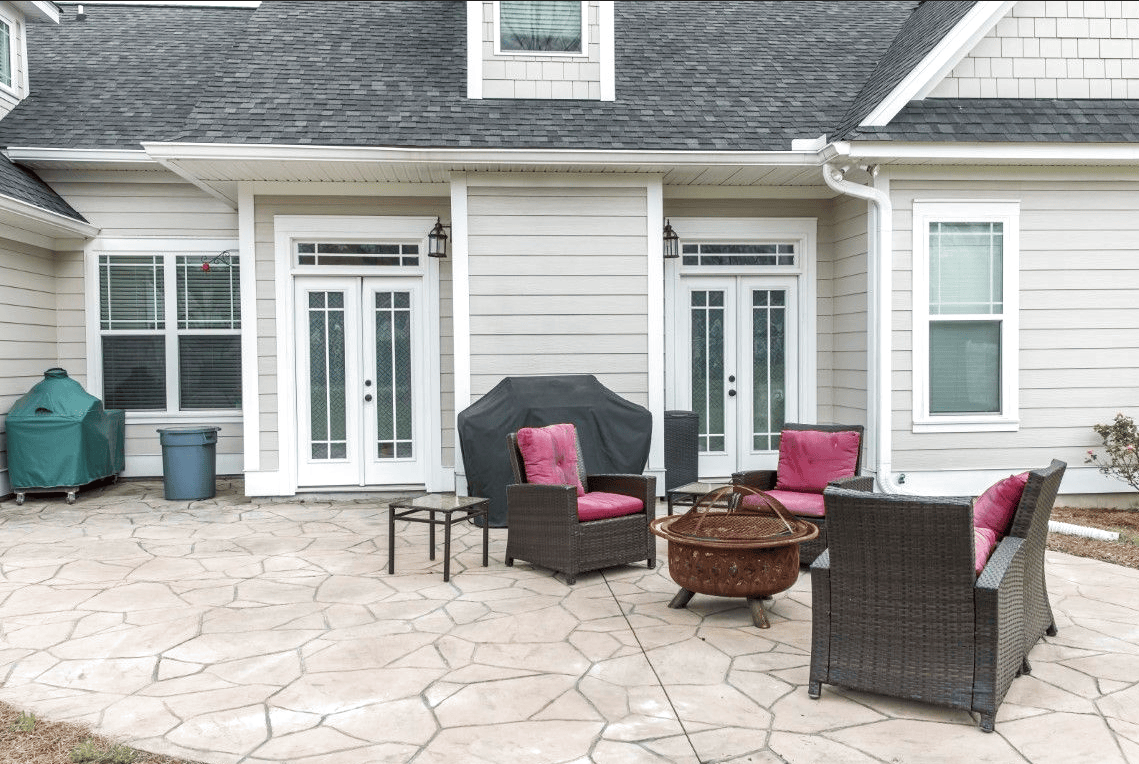
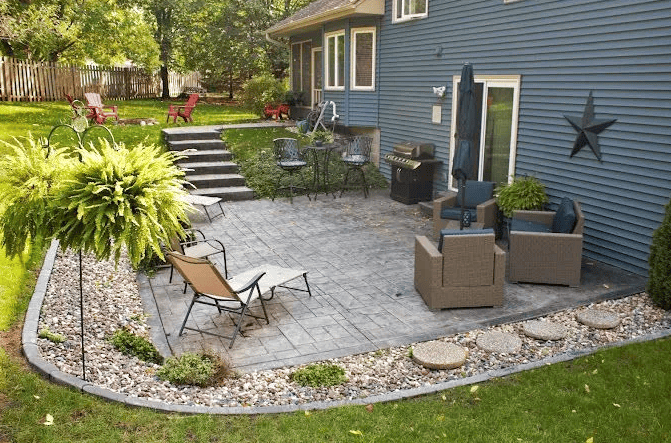
Patios take a lot of exposure in Greenville's humid summers and occasional cold snaps. UV fading, surface pitting, and staining from leaves and moisture are common. We can apply decorative concrete finishes including stamped concrete patterns, colored overlays, and exposed aggregate textures to give an aging patio a fresh, updated look. Surface preparation is handled with a diamond grinder or shot blaster to ensure the overlay bonds properly. A well-applied resurfacing system on a patio typically outperforms a basic paint or sealer job by several years.
Garage Floors
Garage floor resurfacing often calls for an epoxy coating or polyaspartic coating system, depending on how the space is used and how much moisture comes up through the slab. We use an infrared moisture meter to check vapor levels before any coating goes down, which prevents the bubbling and peeling that happens when that step gets skipped. Floor leveling with a self-leveling underlayment may be needed if the slab has low spots. The finished surface is slip-resistant, easy to clean, and holds up well under vehicle traffic and chemical exposure.
Pool Decks
Pool decks around Greenville area homes take constant sun, foot traffic, and moisture. The surface needs to be slip-resistant, cool underfoot when possible, and sealed against water intrusion. We use resurfacing techniques suited for this environment, including kool-deck style overlays, stamped overlays, and quartz aggregate finishes with a polyurethane sealer for durability. Crack filling and joint treatment are handled carefully here since pool decks tend to move with the soil beneath them.
Sidewalks and Walkways
Sidewalks and walkways develop trip hazards from tree root pressure, soil settlement, and surface spalling. Before any cement resurfacing work begins, we check whether the slab can be resurfaced or whether sections need to be replaced to meet safe slope and grade requirements. The City of Greenville Building Codes Division and Greenville County Development Services have specific standards for public-facing walkways, and we keep those in mind when scoping the work. Concrete finishing on walkways is done with broom or trowel textures appropriate for the setting.
Whether your surface needs straightforward crack filling and sealing or a full decorative overlay system, the starting point is always the same: a close look at what is already there. That assessment shapes everything that comes next, which is exactly what we walk through in the resurfacing process below.
Greenville Concrete Pros With Over 20 Years of Skill
We are a concrete contractor based in Greenville, SC, and we have been pouring and finishing concrete in this area for over 10 years. Our crew brings more than 20 years of combined hands-on experience to every job, from small residential repairs to large commercial pours.
Working in Greenville means we know this area well. We understand the local soil conditions, the humidity that comes with South Carolina summers, and how the seasonal temperature swings here can stress a concrete surface if the mix and curing process are not handled correctly. That kind of local knowledge matters on every job we take on, whether we are installing a driveway in Simpsonville, a pool deck in Taylors, or a commercial slab in downtown Greenville.
We handle the full range of concrete work. That includes driveways, patios, garage floors, pool decks, sidewalks, foundations, retaining walls, stamped and decorative concrete, concrete cutting and removal, resurfacing, sealing, and staining. We also work on commercial and industrial projects, including parking lots, warehouse floors, and ADA-compliant ramps and sidewalks.
When you hire us, you get a crew that shows up prepared. We handle permits, site prep, forming, pouring, finishing, and cleanup. We carry insurance and stand behind our work with a written warranty. You will know exactly what is included before we start, and we keep you informed throughout the project.
If you have a concrete project coming up and want to know what it will take to get it done right, we are glad to come out, take a look, and give you a free estimate.
The Resurfacing Process Step by Step
Whether we are working on a driveway off Augusta Street or a backyard patio in Simpsonville, the process we follow stays consistent. Good results come from doing each step right, in order, without cutting corners.
Surface Preparation and Crack Repair
This is the most important part of the entire job. Before we apply anything, we assess the slab for structural problems, moisture, and any movement in the substrate. Greenville sits on Piedmont geology, and the red clay soil common throughout the area can shift with seasonal moisture changes. That movement shows up in your concrete over time. We route and fill cracks using the right materials for the type and width of each crack, following ICRI Guideline No. 310.2R to make sure repairs hold. Any areas with spalling or soft concrete get addressed before we move forward. Skipping this step is one of the main reasons cheap resurfacing jobs fail within a year or two.
Cleaning and Profiling the Existing Slab
A concrete overlay or coating will only bond to a clean, properly profiled surface. We use a shot blaster or diamond grinder to open up the surface and give the new material something to grip. An infrared moisture meter or Tramex moisture meter helps us check for moisture vapor, which is a real concern here in the Upstate given our humidity levels. If moisture readings are too high, we address that before applying anything. We also degrease and clean the slab thoroughly. Any bonding agent we use, whether an acrylic copolymer or epoxy resin type, gets applied right before the overlay so it does not dry out before the material goes down.
Applying the Resurfacing Material
The product we choose depends on what the surface is used for, the condition of the existing slab, and the look you want. A polymer-modified overlay works well for most driveway resurfacing and patio work. Self-leveling underlayment handles floor leveling situations in garage and interior applications. For decorative work, a stampable overlay gives us the thickness and workability we need. We mix materials carefully, keeping water-cement ratios controlled so the overlay cures with the strength it is rated for. Application thickness matters too. A standard overlay is typically applied at a 3/8 inch overlay thickness, though some applications call for thinner or thicker builds depending on the scope.
Finishing, Texturing, and Sealing
Once the material is down, we move into concrete finishing. For pool decks or any surface where slip resistance matters, we broadcast quartz aggregate or apply a broom finish before the material sets. For decorative concrete work, stamped concrete patterns get pressed in during this window. Epoxy coating and polyaspartic coating options are available for garage floors and other surfaces that see heavy use or chemical exposure. After the surface cures, we apply a sealer suited to the environment and the specific use of the surface. A polyurethane sealer works well for outdoor applications exposed to UV and moisture. Proper sealing is what protects your investment from the humidity and occasional freeze-thaw cycles we get in Greenville each winter.
Cure Time and When You Can Use the Surface Again
Cure time varies based on the product, the temperature, and the humidity on the day of the pour. Most overlays are ready for foot traffic within 24 hours and vehicle traffic within 48 to 72 hours, though we will give you a specific timeline based on the materials used on your job. We pay close attention to weather windows and will not apply overlays if rain, extreme heat, or cold is expected to interfere with the cure. Rushing this step shortens the life of the surface significantly, so we do not do it. Understanding the materials that go into each layer, and how they perform over time, is what the next section covers.
Materials and Durability
Types of Resurfacing Materials We Use and Why
Choosing the right material is one of the most important decisions in any concrete resurfacing project. We work with several product types depending on the condition of your slab and what you want the finished surface to look like. For worn driveways and patios, a polymer-modified overlay gives you a strong bond and a clean surface that holds up well over time. When a floor needs leveling, we use a self-leveling underlayment to correct low spots before applying a finish coat. For decorative work, we use stampable overlays and epoxy coating systems from trusted brands like Ardex, Mapei, and Sika. If you want color and texture, we can work with stamped concrete overlays, integral color, or acid stain. Each material is selected based on your specific slab, the area it covers, and how much traffic it sees. We do not use a one-size-fits-all approach.
How Resurfaced Concrete Holds Up to UV Exposure and Heat in Greenville
Greenville summers are hard on outdoor surfaces. Long stretches of direct sun along corridors like Augusta Street or Woodruff Road can cause untreated overlays to fade, chalk, or peel. We account for this by using UV-stable sealers and coatings rated for exterior exposure. A polyaspartic coating, for example, resists yellowing and surface breakdown far better than basic acrylic options. For decorative concrete work on patios and pool decks, we seal with products that block UV penetration and protect the color beneath. Proper surface preparation also plays a role here. A well-bonded overlay does not trap heat at the interface, which reduces the risk of bubbling or delamination during hot months.
Freeze and Thaw Performance in Upstate South Carolina Winters
Upstate South Carolina does not get harsh winters every year, but we do see enough freeze-thaw cycles around Travelers Rest, Taylors, and the Greer area to cause real damage to poorly finished concrete. Water that gets into micro-cracks expands when it freezes and breaks the surface apart from the inside. We address this during crack filling and prep by routing cracks properly and using materials tested to ASTM C672 standards for freeze-thaw resistance. A fiber-reinforced overlay with a low water-cement ratio gives the finished slab more flexibility and resistance to that expansion and contraction. Sealing the surface after application is not optional in this climate. It keeps water out and extends the life of the work considerably.
Slip Resistance and Safety Considerations
A resurfaced slab should be safer than the one you started with, not just better looking. We build slip resistance into the finish coat using broadcast quartz aggregate or broom textures suited to the surface type. Pool decks get a different treatment than garage floors. For floor resurfacing in commercial or high-traffic areas, we reference ASTM E1155 guidelines to confirm the finished floor meets appropriate friction standards. On outdoor work like driveway resurfacing, we use finishes that maintain grip even when wet. Any sealer we apply is chosen with slip resistance in mind, not just appearance or sheen.
Expected Lifespan of a Resurfaced Slab
Done right, a resurfaced slab in Greenville can last 10 to 20 years depending on the material used, the traffic it sees, and how well it is maintained. A concrete overlay applied at proper thickness, typically 1/4 inch to 3/8 inch, and sealed correctly will hold up through normal residential use without major issues. Concrete finishing quality and the prep work underneath are the two biggest factors in long-term performance. We also walk you through what maintenance looks like after the job is done, including when to reseal and what to watch for. That kind of upkeep is simple and inexpensive compared to letting the surface deteriorate and facing a full replacement. Speaking of cost, let us walk you through what concrete resurfacing in Greenville actually runs and what drives the price.
Cost of Concrete Resurfacing in Greenville, SC
When homeowners in areas like Augusta Road, Simpsonville, or Taylors ask us about concrete resurfacing cost, the honest answer is that it depends on several factors specific to your slab and what you want the finished surface to look like. We have spent over 10 years working on concrete across Greenville County, and we can walk you through what goes into the price before we ever give you a number.
What Affects the Cost of a Resurfacing Project
The condition of your existing slab is one of the biggest cost drivers. A surface with widespread spalling, settlement from Greenville's red clay and expansive soil, or drainage problems will need more prep work than a slab that is structurally sound. We use a Tramex moisture meter and do pull-off testing to check bond strength before selecting a product. If the slab needs crack filling, floor leveling, or a bonding agent applied before the overlay goes down, that adds time and material cost.
The finish you choose also affects the price. A basic broom-finish concrete overlay costs less than stamped concrete, decorative concrete with color, or an epoxy coating. Thicker overlays, such as a 3/8 inch stampable overlay, require more material and labor than a thin cement resurfacing topping. Surface preparation using a shot blaster or diamond grinder is a non-negotiable step that takes real time and adds real cost, but it is what keeps the overlay bonded for years instead of peeling in months.
Typical Price Ranges by Surface Type
In Greenville, driveway resurfacing generally runs between $3 and $7 per square foot for a standard overlay, depending on size and prep needs. Patios and pool decks in neighborhoods like Thornblade or Hollingsworth Park tend to fall in a similar range, though decorative finishes push the cost toward the higher end. Floor resurfacing for a garage using a polyaspartic coating or epoxy system typically runs $4 to $8 per square foot. Sidewalks and smaller areas may cost more per square foot because mobilization and setup time do not shrink proportionally. We will always look at the full scope before we quote.
How Resurfacing Costs Compare to Full Replacement
Full slab removal and replacement in Greenville can run $8 to $15 per square foot or more once you factor in demolition, hauling, forming, and finishing. A quality concrete repair and resurfacing job, using proven resurfacing techniques and materials like a polymer-modified overlay or fiber-reinforced system, typically costs 40 to 60 percent less. When the underlying slab is structurally sound and the surface issues are cosmetic or minor, resurfacing makes practical and financial sense. We will tell you honestly during our assessment if the slab is too far gone for a surface-only fix, because a resurfacing job over a failing slab is a waste of your money.
Payment Options, Deposits, and Financing
We keep our payment structure straightforward. We typically ask for a deposit at the time of scheduling to secure your spot on the calendar, with the remaining balance due at project completion. For larger jobs, we can break payments into stages tied to project milestones. We accept check, card, and electronic transfer. If you need financing, we can point you toward third-party options that work for home improvement projects. We do not pressure you to commit before you are ready, and we put everything in writing so there are no surprises on either side.
Once we settle on a scope and cost that works for you, the next step is making sure the project meets any applicable local requirements. That means looking at permits, code compliance through offices like Greenville County Building Safety, and any HOA rules that may apply to your property.
Permits, Code Compliance, and HOA Considerations
When Permits Are Required for Resurfacing in Greenville
Most concrete resurfacing projects in Greenville do not require a permit. Applying a concrete overlay or epoxy coating over an existing slab is generally considered maintenance or cosmetic work, not new construction. That said, the rules depend on what we are doing and where your property sits. If we are doing any floor leveling that changes the grade, altering drainage patterns, or adding a new structure on top of the slab, then a permit may be needed. We always check with the City of Greenville Building Codes Division or Greenville County Building Safety before work begins so you are not caught off guard later.
Local Building Code Considerations
Greenville sits in the Piedmont region, where red clay and expansive soils can shift slabs over time. That matters for code compliance because a slab with significant movement or settlement may need more than resurfacing before any overlay work qualifies as a sound repair. We follow guidelines under ACI 546R for concrete repair and use surface preparation standards referenced in ICRI Guideline No. 310.2R to make sure the work holds up to local conditions. If your project involves a pool deck, commercial space, or a surface near a public area, slip resistance and drainage slope requirements may apply. We factor those in during our on-site assessment so the finished surface meets what your local jurisdiction expects.
Working Within HOA Guidelines Common to Greenville Neighborhoods
Many neighborhoods across Greenville, including communities like Thornblade, Hartness, and Chanticleer, have HOA covenants that govern what changes you can make to driveways, patios, and other visible surfaces. Some associations require approval before you change the color or finish of a driveway through driveway resurfacing or decorative concrete work like stamped or stained overlays. We recommend you review your HOA documents or contact your board before we start, and we are happy to provide material samples, finish descriptions, or a written scope of work to help you get that approval. Getting this right upfront saves time for everyone and keeps your project on schedule. Once the permit and HOA side of things are settled, we can talk about how the finished surface holds up over time and what you can do to keep it in good shape for years to come.
Warranty, Maintenance, and Long-Term Care
What Our Warranty Covers
When we finish a concrete resurfacing job at your home or business in Greenville, we stand behind the work with a written warranty. Our warranty covers workmanship issues like delamination, peeling, and adhesion failure that result from how we applied the material. We follow standards like ASTM C1583 for bond strength and use products that meet a minimum 200 psi pull-off strength, so we have a reliable baseline to point to if something goes wrong. What the warranty does not cover is damage caused by things outside our control, like a settling slab caused by the red clay and expansive soils common across the Piedmont geology of the Greenville area, or damage from vehicle fluids left sitting on the surface. We will always explain what is and is not included before work begins, and we put it in writing.
How to Maintain a Resurfaced Concrete Surface
Keeping a resurfaced surface in good shape does not take much effort. Regular sweeping and occasional rinsing with a garden hose or pressure washer removes debris and prevents grit from grinding into the coating over time. For garage floors with an epoxy coating or polyaspartic finish, wipe up oil, grease, and chemical spills as soon as you notice them. For outdoor surfaces like patios, driveways, and pool decks, avoid using rock salt for ice control. Here in Greenville we do not get harsh winters like further north, but an occasional ice event can happen, and salt breaks down sealers faster than normal weathering does. Sand is a safer alternative for traction.
When and How Often to Reseal
Most resurfaced concrete surfaces benefit from a fresh sealer coat every two to three years, though the right interval depends on the finish type and how much traffic or sun exposure the surface gets. A polymer-modified overlay on a driveway along a busy stretch like Augusta Road sees more wear than a backyard patio and may need attention sooner. We can apply a lithium silicate densifier or a polyurethane sealer depending on the surface and use. A good way to tell if it is time to reseal is the water bead test. If water no longer beads up on the surface and instead soaks in, the sealer has worn down and the surface needs attention before moisture works its way in.
How Proper Care Extends the Life of Your Investment
A well-applied concrete overlay or resurfaced floor is not a short-term fix. With basic upkeep, you can reasonably expect 10 to 15 years or more from a professional job before any significant re-coating is needed. The key is staying ahead of small problems. A hairline crack that gets sealed early costs very little to address. Left alone, it lets moisture in, and in Greenville's warm, humid summers that moisture can work under the overlay and cause lifting. Crack filling and routine resealing are the two most effective things you can do to protect what you have invested. Skipping them is the main reason resurfaced concrete fails well before it should.
Understanding what goes into maintaining your surface is part of what sets a quality job apart from a rushed one. It is also a good segue into why the contractor you choose from the start makes all the difference in how long your results last.
Why Choose Us for Concrete Resurfacing in Greenville
Our Experience and Local Track Record
We have spent over 20 years pouring and finishing concrete, with more than 10 of those years working right here in Greenville. In that time, we have completed driveway resurfacing, patio overlays, garage floor coatings, and pool deck work across neighborhoods like Augusta Road, North Main, Taylors, Mauldin, and Simpsonville. We understand how the Piedmont clay soils and red clay subgrade common throughout Upstate South Carolina affect slab movement and surface wear. That local knowledge shapes every step we take, from surface preparation to final sealing. We also know how humidity, UV exposure, and the occasional freeze-thaw cycle that Greenville sees through winter can stress a concrete overlay or epoxy coating over time, so we choose materials and resurfacing techniques suited for our specific climate.
Licensed, Insured, and Familiar with Greenville Conditions
We carry a SC Contractor License and a Greenville County Business License, and we maintain full liability and workers' compensation insurance. When permits are needed, we work directly with the City of Greenville Building Codes Division or Greenville County Building Safety depending on your location. If your property falls under an HOA, we can help you understand what documentation may be required before work begins. Our approach to concrete repair and floor resurfacing follows recognized industry standards, including guidance from ICRI Guideline No. 310.2R for surface preparation and ASTM C1583 for pull-off strength testing. We also use a Tramex moisture meter before any coating or overlay goes down, which helps us avoid the blistering and delamination that rushed crews often run into.
Before and After Photos and Customer References
We keep a running portfolio of completed projects that includes stamped concrete, decorative concrete finishes, crack filling, floor leveling, and standard cement resurfacing work. You can look through real before and after photos from jobs in areas like Botany Woods, Thornblade, and Hollingsworth Park. We are also happy to connect you with past customers who can speak to the quality of our work, how we managed the job site, and how the surface has held up over time. Hearing directly from other Greenville homeowners tends to give a clearer picture than any description we could offer.
Project Timeline, Scheduling, and Site Cleanup
When you reach out, we will schedule an on-site visit to look at your slab, discuss options like concrete finishing, repair driveway work, or a polymer-modified overlay, and give you a clear picture of concrete resurfacing cost before anything moves forward. Most residential resurfacing jobs wrap up in one to three days depending on scope, surface condition, and cure time. We protect surrounding landscaping, structures, and hardscapes during the job and handle all cleanup and material disposal when we are done. Your property should look better when we leave than it did when we arrived.
Once you have a clear picture of what we bring to a resurfacing project, the next step is putting that knowledge to work on your specific surface and goals.
Ready to Get Started with Concrete Resurfacing in Greenville?
Why Resurfacing Makes Sense for Your Property
You now know what sets us apart from other concrete contractors in the Greenville area. With over 20 years of combined experience in concrete work and more than 10 years serving homeowners and property owners right here in the Upstate, we bring real knowledge to every job we take on. Whether you have a cracked driveway off Augusta Street, a worn patio in Simpsonville, or a spalling pool deck in Taylors, we have seen it before and we know how to fix it the right way.
Choosing concrete resurfacing over a full replacement is one of the smartest decisions you can make for your property. Here is a quick look at what you get when you work with us:
- A lower overall cost compared to tearing out and replacing your existing slab
- Faster turnaround with less disruption to your home or business
- Proper surface preparation using professional equipment so the overlay bonds correctly and lasts
- Thorough concrete repair and crack filling before any resurfacing material goes down
- Access to a full range of finishes, from stamped concrete and decorative concrete options to epoxy coating and stained overlays
- Products suited to our Greenville climate, including humidity, UV exposure, and occasional freeze/thaw cycles
- Correct treatment of control joints, drainage slope, and floor leveling where needed
- A cleaner, safer surface with slip-resistant texture and a proper sealer applied on top
- Work performed by a licensed, insured contractor who follows local code requirements through the City of Greenville Building Codes Division and Greenville County Building Safety
- Documented workmanship and a warranty you can actually rely on
Get Your Free On-Site Assessment in Greenville
No two slabs are the same. Before we talk about concrete resurfacing cost, finishes, or timelines, we come out to your property, look at the slab, and give you an honest assessment. We will tell you whether driveway resurfacing, a concrete overlay, or another approach makes the most sense for your situation. We serve neighborhoods throughout the area, including North Main, Mauldin, Greer, Fountain Inn, Travelers Rest, and beyond.
Call us or fill out the form below to request your free quote. We will get back to you promptly and work around your schedule to find a time that fits.
Greenville SC Concrete
220 N Main St
Greenville, SC 29601
Business Hours
| Mon | 8:00 AM – 7:00 PM |
| Tue | 8:00 AM – 7:00 PM |
| Wed | 8:00 AM – 7:00 PM |
| Thu | 8:00 AM – 7:00 PM |
| Fri | 8:00 AM – 7:00 PM |
| Sat | 9:00 AM – 6:00 PM |