Stamped Concrete in Greenville
Stamped Concrete Specialists Serving Greenville, SC
Our Stamped Concrete Service Area in Greenville, SC
We serve homeowners and property owners throughout Greenville, SC and the surrounding Upstate area. Our crews work across neighborhoods like Augusta Road, North Main, Verdae, Hollingsworth Park, Chanticleer, Botany Woods, Pebble Creek, and many others. Whether your project is near Downtown Greenville or out toward Wade Hampton Boulevard or Woodruff Road, we can typically schedule a site visit within a few business days. We carry a valid SC Contractor License and hold insurance, so you are covered from the first day we show up to the last day of cleanup.
Common Problems That Lead Homeowners to Consider Stamped Concrete
Most homeowners who contact us are dealing with one of a few familiar situations. Maybe your plain concrete patio looks tired and worn, or you have an old paver walkway that shifts every time the ground moves. Some people want the look of natural stone or brick around their pool deck but do not want to pay the price that natural materials carry. Others have tried basic outdoor flooring solutions that faded quickly or cracked after a couple of seasons. Stamped concrete addresses a lot of these issues at once. It gives you a high-end appearance, holds up well over time when properly installed, and costs significantly less than natural stone or pavers for the same square footage.
Local Knowledge: Greenville Neighborhoods, Soil, Weather, and Housing Styles
We have been working in Greenville for over 10 years, and that local experience matters more than most people expect. The Piedmont region clay and red clay soil common throughout Greenville County are some of the most challenging subgrade conditions for any concrete work. Expansive clay subgrade shifts with moisture changes, which is exactly why shortcuts on base preparation lead to cracked slabs down the road. We account for this by using a properly compacted gravel base and following practices consistent with ACI 302.1R to make sure the slab has the support it needs. Greenville's hot, humid summers and occasional hard freezes also affect how we approach mix design and concrete sealing. Homes along Augusta Street, in Overbrook, or in Foxcroft often have older layouts where drainage slope and grading require extra attention during planning. Before we talk patterns, colors, or textures, we look at what is underneath and around your slab. That is where durable decorative concrete work actually starts, and understanding those stamped concrete fundamentals is what separates a lasting result from one that fails in a few years.
Frequently Asked Questions from Greenville Homeowners About Stamped Concrete
How much does stamped concrete cost in Greenville? Stamped concrete costs vary based on square footage, pattern complexity, number of colors, and site conditions. We break down labor, materials, stamping, sealing, and cleanup so you know where every dollar goes before work begins.
Do I need a permit? It depends on the scope of work. The City of Greenville Building Codes Division and Greenville County Building Safety both have requirements that may apply to your project. We help you understand what is needed and can guide you through that process.
How long does installation take? Most residential stamped concrete patios, driveways, or pool decks take between one and three days to pour and stamp, with additional time for curing before sealing. We work around Greenville's weather patterns and will not rush a pour if conditions are not right.
What concrete patterns and textures are available? We work with a wide range of concrete textures and concrete patterns, including slate, cobblestone, brick, flagstone, and wood plank looks. Color options using integral color pigment or color hardener from brands like Davis Colors and Solomon Colors give you a broad palette to work with.
If you have questions beyond these, the following section covers what stamped concrete actually is, how it is made, and what makes it different from other surface options.
What Is Stamped Concrete
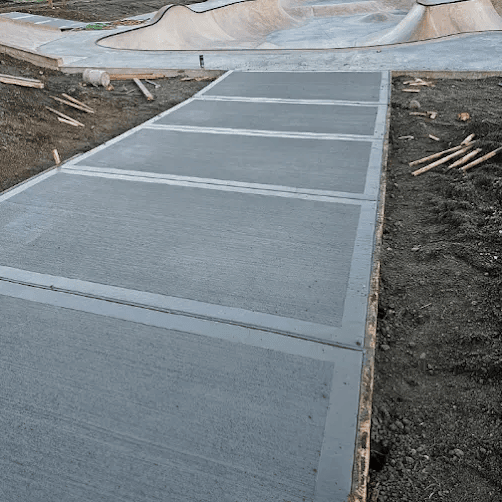
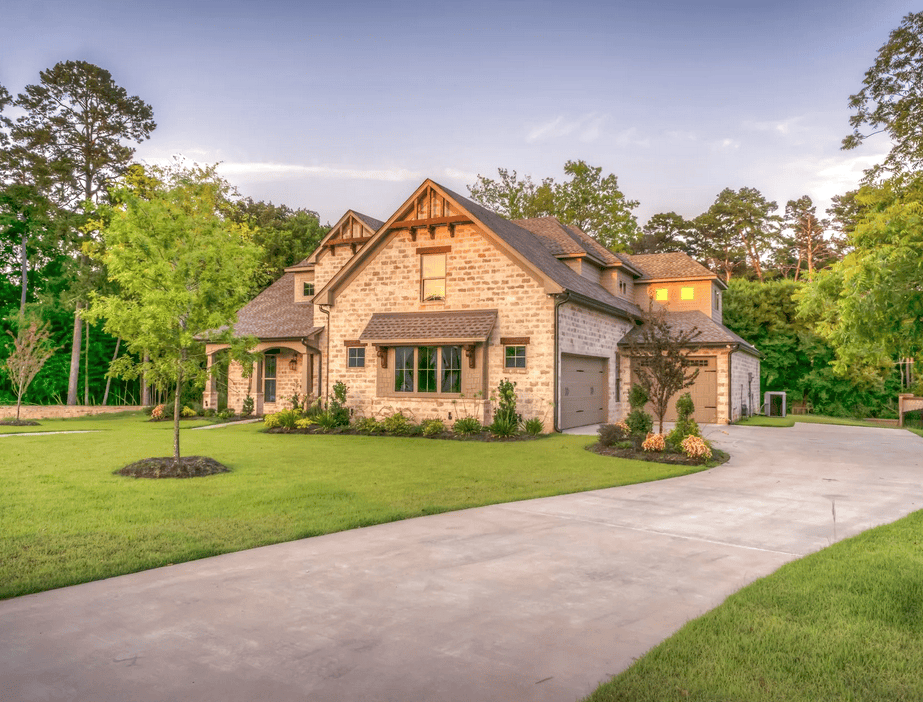
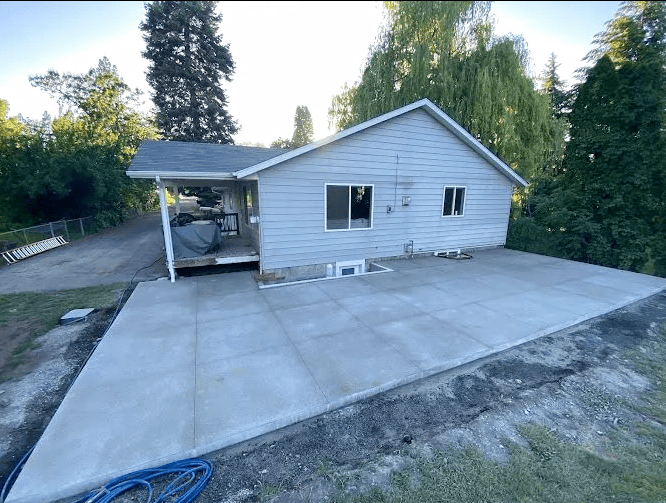
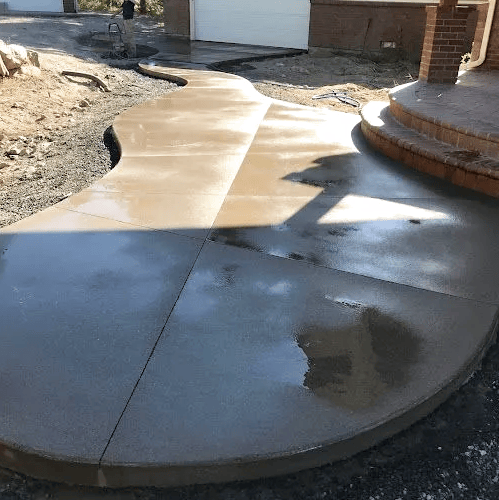
Stamped concrete is poured concrete that gets textured and imprinted before it fully hardens. The result is a surface that can closely resemble brick, slate, flagstone, cobblestone, wood planks, or tile. It is one of the most popular outdoor flooring solutions we install across Greenville, SC, and it works well for a wide range of residential and commercial projects.
How Stamped Concrete Is Made
The process starts with a properly prepared base. In Greenville, that matters more than most people realize. Our area sits in the Piedmont region, and the red clay soil here is known to shift and expand with moisture changes. We typically dig down and compact a 4-inch to 6-inch gravel base before any concrete is placed. This step protects the finished slab from settling or cracking over time.
Once the base is ready, we pour the concrete mix. We use mixes that meet or exceed 4000 psi compressive strength, and we reinforce slabs with rebar or wire mesh to add structural support. Color hardener or integral color pigment is added to give the surface its color, and a release agent is applied before stamping so the texture mats lift cleanly off the surface. Workers use texture mats and seamless texture skins to press the pattern into the concrete while it is still workable. Timing is everything at this stage. If the concrete is too soft or too firm, the imprint will not come out clean. After stamping, the slab is sealed using a quality concrete sealer to protect the color and surface from UV exposure, moisture, and foot traffic.
How It Differs from Regular Concrete, Pavers, and Natural Stone
Plain concrete is functional but plain. Stamped concrete uses the same base material and adds color, pattern, and texture during the finishing process. The look is far closer to natural stone or brick than a standard broom-finished slab.
Compared to pavers, stamped concrete is poured as one continuous surface. That means fewer joints where weeds can grow and less shifting over time. Pavers can settle unevenly, especially in areas with clay soil like much of Greenville County. Natural stone and brick give a premium look, but the material costs are significantly higher, and installation takes longer. Decorative concrete achieves a similar aesthetic at a lower overall price point, which is one of the main reasons homeowners in neighborhoods like Verdae, Botany Woods, and Augusta Road choose it for their outdoor projects.
Common Applications: Patios, Driveways, Pool Decks, Walkways, and Steps
Stamped concrete patios are the most common project we handle. They extend living space outdoors and can be designed to complement the style of your home. Driveways are another popular use, where a slate or cobblestone pattern adds curb appeal without the cost of actual stone. Pool decks benefit from stamped concrete because slip-resistant textures can be built into the surface, and the material holds up well under Greenville's humid summers and occasional cold snaps. Walkways and front entries also see a lot of stamped work, and steps can be formed and textured to match the surrounding surface for a finished, cohesive look.
Whatever the application, the concrete patterns and finishes available are broader than most homeowners expect. The next section covers exactly that, walking you through the textures, designs, and color options we work with most often here in Greenville.
Stamped Concrete Patterns, Textures, and Colors
One of the biggest reasons homeowners across Greenville choose stamped concrete is the range of looks available. From a patio near Augusta Road to a pool deck in Hollingsworth Park, the right pattern and color can tie your outdoor space together in a way that feels intentional and built to last. We work through the design choices with you before any concrete is ever poured.
Popular Patterns: Brick, Slate, Flagstone, Cobblestone, Wood Plank, and Tile
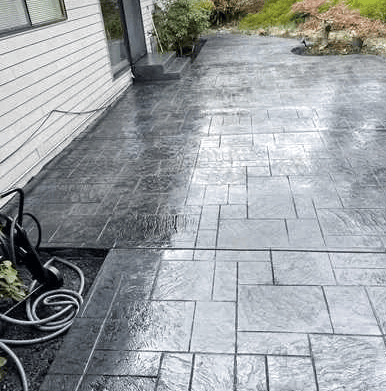
The concrete patterns we use most often in this area include running bond brick, ashlar slate, irregular flagstone, European cobblestone, wood plank, and large-format tile. Each pattern is pressed into the surface using texture mats and seamless texture skins before the concrete sets. The result is a surface with real depth and dimension. Flagstone and slate work well on patios and walkways. Cobblestone suits driveways and borders. Wood plank is a popular choice for covered porches and pool surrounds, where it gives a warm look without the upkeep that real wood demands.
Color Options: Integral Color, Color Hardener, and Antiquing Releases
Color is where decorative concrete really opens up. We use three main approaches. Integral color pigment from trusted suppliers like Davis Colors or Solomon Colors is mixed directly into the concrete, so the color runs through the full slab. Color hardener is broadcast onto the surface before stamping, which adds density and a more vivid tone on top. Release agent is then applied over the stamps to create contrast in the recessed areas, giving the surface an aged, layered look. These can be used alone or combined. Colored concrete done this way holds up well in Greenville's mix of hot summers, heavy spring rains, and the occasional winter freeze.
Border and Accent Design Options
A border or accent band can define the edge of a patio, frame a driveway apron, or separate two different pattern areas. We use contrasting colors, tighter patterns like soldier-course brick, or a simple broom-finished band to create clean visual lines. These details are part of the stamped concrete design conversation we have with you early on, because they affect layout, joint placement, and how we sequence the pour.
Choosing a Look That Fits Your Home Style in Greenville
Homes in neighborhoods like Chanticleer, Botany Woods, and Augusta Circle each have their own character, and the concrete textures and colors you choose should work with that. A craftsman-style home might suit an ashlar slate pattern in earthy tones. A newer build in Verdae or Hartness might look sharp with a large tile pattern and a clean, uniform color. We draw on over ten years of work in Greenville to help you land on a combination that fits the house, the yard, and the way you use the space. Once the design is settled, the next step is understanding how we actually get the concrete down right.
A few years back, we took on a stamped concrete project for a homeowner over in the Travelers Rest area, just north of Greenville. They wanted a large patio with a slate pattern and a warm, earthy color to match their brick home. It was one of those jobs we were genuinely excited about.
What we did not expect was the weather. We had checked the forecast carefully before we poured, and everything looked fine. But about two hours into the stamping process, a summer storm rolled in fast off the Blue Ridge foothills. If you have lived in Greenville long, you know how quickly the weather can shift here. That afternoon was a perfect example.
The rain hit while we were only halfway through stamping the slab. Raindrops on fresh concrete can leave marks and ruin the surface texture, and we had a lot of ground left to cover. We moved fast. Our crew threw down plastic sheeting over the finished sections to protect them while two of us kept stamping as quickly as we safely could on the unfinished areas.
We made it, but just barely. When the rain really opened up, we had finished the last stamp and got the slab covered in time. After it cured, we inspected every square inch. There were a couple of small spots near one edge that needed touch-up work, and we took care of those at no extra cost to the homeowner.
That job reminded us why experience matters so much. Knowing how to read a slab, move efficiently as a team, and make quick decisions under pressure comes from years of doing this work. With over 20 years of combined experience pouring concrete and more than 10 years working right here in the Greenville area, we have been through enough situations to know how to handle the unexpected ones.
The Stamped Concrete Installation Process
When we take on a stamped concrete project in Greenville, we follow a step-by-step process that covers everything from the first shovel in the ground to the final coat of sealer. Knowing what to expect at each stage helps you plan your schedule and understand what goes into a quality finished surface.
Site Preparation: Demolition, Grading, Drainage, and Base Work
Good site preparation is the foundation of any lasting slab. Greenville sits in the Piedmont region, and the red clay soil here is known to shift and expand with changes in moisture. If we skip proper subgrade work, even the best concrete will settle and crack over time. We excavate to the correct depth, remove any soft spots, and compact a 4-inch compacted gravel base for most patios or a 6-inch base for driveways and heavier-use areas. We also grade the site to a 2-percent drainage slope so water moves away from your home and does not pool on the surface after a heavy Southern rain.
Pouring and Finishing the Concrete Slab
We use a mix designed for local conditions, typically a 4000 psi compressive strength concrete with a low water-cement ratio to handle Greenville's hot, humid summers and the occasional winter freeze. Reinforcement matters here. We place rebar or wire mesh in the slab to reduce random cracking, and we cut control joints at regular spacing to give the concrete a place to move. We use a roller screed and bull float to level the surface before finishing begins. Proper curing following guidelines like those in ACI 308R is something we take seriously, because rushing this step leads to surface dusting and reduced strength down the road.
Applying Stamps, Texture, and Color
This is where decorative concrete comes to life. The timing of the stamping step is critical. Press the texture mats too early and the concrete is too soft to hold the pattern. Wait too long and the surface becomes unworkable. Our crews have been doing this long enough to read the concrete and move at the right moment. We apply color hardener or integral color pigment first, then broadcast a release agent before pressing the stamp tools into the surface. The result can look like concrete patterns that mimic natural stone, slate, brick, or wood. The range of concrete textures available from suppliers like Brickform and Butterfield Color gives you a wide choice of finished looks for your patio, driveway, or pool deck.
Sealing the Finished Surface
Concrete sealing is one of the most important steps for protecting your investment in Greenville's climate. UV exposure and seasonal rain can fade color and allow moisture to work into the slab if the surface is left unsealed. We apply an acrylic sealer or a cure and seal compound suited to the level of foot or vehicle traffic the surface will see. The right sealer locks in the color, adds a protective layer against staining, and makes routine cleaning easier for you. We will walk you through a recommended resealing schedule, which is typically every two to three years depending on use and exposure.
Typical Project Timeline and What to Expect During Installation
Most residential stamped concrete projects in Greenville take one to three days of active work depending on size and complexity. Site prep and base work usually happen on the first day. The pour, stamp, and color work follow on the next. Curing time before foot traffic is typically 24 to 48 hours, and we recommend waiting longer before driving on a new driveway slab. Weather plays a role in scheduling, and we watch forecasts closely because rain or extreme heat during the pour affects the outcome. Once sealing is done and the surface is cured, your project is complete and ready for use.
Understanding what the installation process involves gives you a clearer picture of why costs vary from one project to another. The size of the area, the complexity of the pattern, the base preparation required, and the sealer chosen all factor into the final number, which we cover in the next section on stamped concrete cost in Greenville, SC.
Stamped Concrete Cost in Greenville, SC
One of the first things most homeowners want to know before starting a project is what it will cost. Stamped concrete pricing is not one-size-fits-all, and several factors shape the final number. We have been working on stamped concrete projects across Greenville for over ten years, and we can walk you through what to expect before you ever ask for a quote.
What Affects the Price: Size, Pattern Complexity, Color, and Site Conditions
Square footage is the most obvious factor. Larger areas cost more in total, but the price per square foot often comes down as the project grows. Pattern complexity matters too. A simple slate or cobblestone look takes less time and fewer specialty tools than a multi-border design with detailed texture work. The more intricate the stamped concrete design, the more labor hours are involved.
Color choices also affect the price. A basic integral color pigment costs less than layering in a color hardener alongside a release agent to achieve a two-tone, aged appearance. Custom color blending from brands like Brickform or Davis Colors adds both material and time costs.
Site conditions in Greenville play a bigger role than many people expect. Our area sits in the Piedmont region, and the red clay soil here is expansive and shifts with moisture. Poor subgrade conditions may require additional excavation, more compacted gravel base, or extra reinforcement like rebar or wire mesh before we can pour anything. If we are working on a sloped lot in a neighborhood like Chanticleer or Botany Woods, grading and drainage work will factor into the price as well.
Cost Breakdown: Labor, Materials, Stamping, Sealing, and Cleanup
Breaking a quote into parts helps you understand what you are actually paying for. Here is a general look at where the money goes on a typical stamped concrete project:
- Base preparation: Excavation, grading, and a compacted gravel base make up a meaningful portion of the cost and are not steps we skip. Proper prep is what keeps the slab from settling or cracking over time.
- Materials: This includes the concrete mix itself, color hardener or integral color pigment, release agent, fiber reinforcement, and polyurethane joint sealant. We source materials locally from suppliers like Greenville Ready Mix and Southern Concrete Materials to keep logistics efficient.
- Stamping labor: This is skilled work. Timing the stamp correctly, aligning the texture mats, and blending release agent without smearing takes experience. This is where our concrete finishing techniques make a real difference in the final look.
- Concrete sealing: A quality acrylic sealer or BASF MasterSeal product protects the surface and color. Sealing is not optional if you want the project to last, and the cost reflects the material quality and application method used.
- Cleanup and finishing: Hauling debris, washing equipment, and doing final touch-ups all take time and are included in a fair quote.
As a rough guide, basic stamped concrete in Greenville typically runs lower per square foot than complex multi-pattern work with custom coloring. We will give you a specific number once we see the site.
How Stamped Concrete Compares in Cost to Pavers, Brick, and Natural Stone
Decorative concrete sits in a practical middle ground. Natural stone, like the bluestone or travertine you might see around pool decks near Lake Keowee properties, costs significantly more per square foot in materials alone. Brick and paver installations also carry higher material costs and require a deeper base, more sand, and ongoing maintenance to keep joints tight and level. Weeds work their way into paver joints over time, and individual units shift and sink.
Stamped concrete gives you a very similar appearance to brick, slate, or stone at a lower overall cost, especially on larger areas like driveways or pool surrounds. The savings come mostly from materials and the speed of installation. One continuous pour covers ground faster than setting individual units by hand.
How to Get an Accurate Quote for Your Greenville Project
Getting an accurate number requires more than a phone call. We visit the site, assess the existing grade and soil conditions, measure the area, and ask about your design preferences before putting a number together. Projects near Augusta Street, Wade Hampton Boulevard, or anywhere else in Greenville can vary significantly depending on access, drainage, and soil depth.
When comparing quotes from different contractors, look at what is included. A low number that leaves out base preparation, sealing, or reinforcement is not actually a lower price. It is a shorter lifespan. Make sure any contractor you consider carries an SC Contractor License and can show proof of insurance. The City of Greenville Building Codes Division may also require permits for certain project types, and we handle that process for you.
Understanding the cost is only part of the picture. Once the slab is in, its long-term value depends heavily on how well it holds up to Greenville's climate, which is where the quality of the installation and the materials used really show their worth.
Durability and Performance in the Greenville Climate
How Stamped Concrete Holds Up to Greenville Heat, Rain, and Seasonal Changes
Greenville's climate puts outdoor surfaces through a real workout. Summers along the Piedmont are hot and humid, heavy afternoon rains are common, and we do see occasional freezing temperatures in January and February. The decorative concrete we install is mixed and placed with all of this in mind. We use a 4000 psi compressive strength mix with a low water-cement ratio to produce a dense slab that resists moisture penetration. We also account for Greenville's red clay soil, which shifts and expands with moisture changes. Proper subgrade prep, including a compacted gravel base and correct control joint placement, keeps the surface stable through those swings. When a slab is built right from the ground up, it handles what this region throws at it year after year.
The Role of Sealing in Protecting Against UV Fading and Moisture
Concrete sealing is one of the most important steps in protecting your investment. Greenville gets strong UV exposure for most of the year, which can fade colored concrete and break down an unsealed surface over time. We apply a quality acrylic sealer or BASF MasterSeal product suited for this region's sun and humidity levels. Sealing locks in color hardener and integral pigment, repels moisture, and makes the surface easier to clean. We follow manufacturer specs and ASTM C1315 guidelines to make sure the sealer bonds correctly and lasts. Without a proper seal, even a well-stamped slab will start to look worn within a few years.
Slip Resistance Options for Patios and Pool Decks
Wet surfaces around pool decks and patios are a genuine safety concern, especially with kids and pets. The good news is that stamped concrete design naturally lends itself to textured finishes that add grip underfoot. We use texture mats and seamless texture skins that create surface profiles similar to slate or stone, which hold traction even when wet. We can also add a non-slip broadcast to the sealer coat for areas that see heavy foot traffic or poolside splashing. These concrete textures do the work without sacrificing the look you want.
How Long Stamped Concrete Lasts When Properly Installed and Maintained
A well-installed stamped slab in Greenville can last 25 years or more. That lifespan depends on a few things working together: a solid compacted base, correct reinforcement with rebar or wire mesh, proper control joints at the right spacing, a strong mix design, and a good sealing schedule. We hold our work to ACI 302.1R and ACI 308R curing standards because cutting corners on curing is one of the most common reasons slabs fail early. Stamped concrete costs more upfront than plain concrete, but the combination of aesthetics and longevity makes it a practical choice for outdoor flooring solutions on patios, driveways, and pool surrounds. Keeping that lifespan on track comes down to how the surface is maintained after we finish the job.
Trusted Concrete Work Throughout Greenville, SC
We are a concrete contractor based in Greenville, SC, and we have been pouring and finishing concrete in this area for over 10 years. Our crew brings more than 20 years of combined hands-on experience to every job, from small residential repairs to large commercial pours.
Working in Greenville means we know this area well. We understand the local soil conditions, the humidity that comes with South Carolina summers, and how the seasonal temperature swings here can stress a concrete surface if the mix and curing process are not handled correctly. That kind of local knowledge matters on every job we take on, whether we are installing a driveway in Simpsonville, a pool deck in Taylors, or a commercial slab in downtown Greenville.
We handle the full range of concrete work. That includes driveways, patios, garage floors, pool decks, sidewalks, foundations, retaining walls, stamped and decorative concrete, concrete cutting and removal, resurfacing, sealing, and staining. We also work on commercial and industrial projects, including parking lots, warehouse floors, and ADA-compliant ramps and sidewalks.
When you hire us, you get a crew that shows up prepared. We handle permits, site prep, forming, pouring, finishing, and cleanup. We carry insurance and stand behind our work with a written warranty. You will know exactly what is included before we start, and we keep you informed throughout the project.
If you have a concrete project coming up and want to know what it will take to get it done right, we are glad to come out, take a look, and give you a free estimate.
Stamped Concrete Maintenance and Resealing
Keeping your stamped concrete in good shape over the years does not take a lot of effort, but it does take the right routine. We want you to understand what regular care looks like so your investment holds up through Greenville's hot summers, occasional freezes, and heavy spring rains.
Day-to-Day Cleaning and Care
For most stamped concrete surfaces, a simple rinse with a garden hose or a light pass with a pressure washer on a low setting is enough to keep things clean. You can use a mild soap and a soft brush for tougher spots. Avoid harsh degreasers or anything with acid, since those can break down your sealer and affect the colored concrete underneath. Try to clean up oil, grease, or leaf stains quickly. Sitting debris holds moisture against the surface, which can cause the sealer to lift or the color to look uneven over time.
How Often to Reseal Stamped Concrete in Greenville
Greenville sits in the Piedmont region, where UV exposure is strong and summer humidity is high. Both of those conditions wear down acrylic sealers faster than in cooler or drier climates. In most cases, we recommend resealing every two to three years for outdoor surfaces like patios, driveways, and pool decks. High-traffic areas may need attention closer to every two years. When water stops beading on the surface, that is a reliable sign it is time to reseal. We typically use an acrylic sealer or, in some cases, a product meeting ASTM C1315 standards for surfaces that see heavier wear. Proper concrete sealing is one of the most cost-effective things you can do to protect the color and texture long-term.
Repairing Cracks, Chips, and Color Fading
Even well-installed stamped concrete can develop minor cracks over time, especially given Greenville's red clay soil and its tendency to shift with moisture. Hairline cracks are usually a cosmetic concern and can be filled with a polyurea joint filler or a flexible polyurethane joint sealant. Larger cracks may point to a subgrade issue that needs to be addressed before patching. Color fading is common on older surfaces that have not been resealed on schedule. In many cases, a fresh coat of sealer with a color-enhancing formula brings the surface back close to its original look. For more significant surface damage, concrete resurfacing is an option that lets us apply a new decorative layer over the existing slab rather than tearing it out entirely. This can restore both the texture and the color without the cost of a full replacement.
Warranty Options and What They Cover
We stand behind our work. Our standard warranty covers defects in workmanship, including issues with stamping, joint placement, and surface finish. Material warranties vary depending on the products used, and we will walk you through what each covers before your project begins. It is worth knowing that warranties typically do not cover damage from deicing salts, improper cleaning products, or tree root intrusion. We will give you a clear maintenance guide at the end of your project so you know exactly what to do and what to avoid.
Before we pour anything, there is also the question of permits and approvals. Depending on your project and where you live in Greenville, you may need to work with the City of Greenville Building Codes Division or Greenville County Building Safety, and some neighborhoods have HOA guidelines that affect what materials and finishes are allowed.
Permits, HOA Rules, and Local Code Requirements in Greenville
Before any concrete hits the ground, it helps to understand what approvals your project may need. Greenville has its own set of rules, and working within them from the start prevents delays and costly changes later. We know the local process well and can help you figure out what applies to your specific job.
When a Permit Is Required for Stamped Concrete Work in Greenville
Whether you need a permit depends on the scope and location of your project. In general, the City of Greenville Building Codes Division and Greenville County Building Safety require permits for most structural flatwork, including driveways that connect to a public road and larger patio slabs. A simple backyard patio may fall under a threshold that does not require a permit, but that is not always the case, especially in areas with drainage or easement concerns.
Projects near the Reedy River or in low-lying areas around Conestee Park or Brushy Creek may also involve stormwater or grading considerations managed by Greenville County Development Standards. We pull permits where they are required, coordinate inspections, and keep your project fully above board with the South Carolina Department of Labor Licensing and Regulation.
How HOA Guidelines Can Affect Your Project
If your home is in a subdivision like Chanticleer, Hollingsworth Park, or Hartness, your HOA may have its own rules about stamped concrete design, including approved colors, concrete patterns, and finishes visible from the street. Some associations limit concrete textures or require that outdoor flooring solutions match the neighborhood's overall look. We recommend checking your HOA covenants before finalizing your decorative concrete choices so there are no surprises after the pour.
Local Inspection Requirements and How We Handle Compliance
When a permit is required, Greenville County or city inspectors will typically want to review subgrade preparation and reinforcement placement before the pour, and sometimes the finished slab. Our work meets or exceeds ACI 302.1R guidelines for flatwork, and we use proper base compaction, rebar or wire mesh placement, and control joint spacing that hold up under inspection. With over 20 years of combined experience and more than 10 years working specifically in the Greenville area, we are familiar with what local inspectors look for and how to prepare the site correctly the first time.
Understanding the permit and code side of a project also raises a natural question about who should be doing the work in the first place.
Is Stamped Concrete a DIY Project
We get this question fairly often, and it is worth giving you a straight answer. Stamped concrete looks like a straightforward process from the outside, but it involves a tight sequence of steps that leave very little room for error. If something goes wrong, the slab is already set and you are stuck with it. Here is an honest look at what the work actually involves and where things tend to fall apart without professional experience.
What the Stamped Concrete Process Actually Involves
Before any concrete is poured, the ground has to be properly prepared. In Greenville, that means dealing with Piedmont region clay and red clay soil, which shift and compress unevenly if not handled correctly. We excavate the area, compact a gravel base, and grade the surface to a 2-percent drainage slope so water runs away from your home or structure. We then set forms, place rebar or wire mesh for reinforcement, and order the right concrete mix for the job.
Once the concrete arrives from a local supplier, we spread and screed it quickly. Then comes the coloring process, which involves applying color hardener or using integral color pigment, followed by a release agent to prevent the stamps from sticking. The stamps themselves, whether texture mats or seamless texture skins, are pressed into the surface in a specific pattern and sequence. After the concrete firms up enough to hold the impression without distorting, the surface gets cut with control joints, cured properly, and eventually sealed with the right concrete sealer for our climate and sun exposure here in the Upstate.
That entire sequence, from pour to final seal, involves more than a dozen distinct steps, each one dependent on the one before it going right.
Why Timing, Temperature, and Technique Make It Difficult Without Experience
Concrete does not wait for you to figure things out. Once it starts setting, you have a narrow window to apply color, press the stamps, and tool the joints. That window changes based on outdoor temperature, humidity, and direct sun. On a hot summer day in Greenville, concrete can set much faster than expected. In the cooler months, it can stay workable longer, which creates its own problems if you are not watching closely.
Stamping too early leaves the surface mushy and blurs the pattern. Stamping too late means the stamps will not leave a clean impression at all. Applying the release agent unevenly leads to patchy color. Skipping or misplacing control joints causes random cracking. These are not problems you can fix after the fact. They are built into the slab permanently.
Proper concrete finishing techniques also require tools most homeowners do not own, including a bull float, power trowel, stamp rollers, and a plate compactor. Renting them is possible, but knowing how to use them on a time-sensitive pour is a different matter.
Risks of DIY Stamped Concrete and What Can Go Wrong
The most common DIY problems we see involve uneven color, poor imprint depth, and cracking. Uneven color usually comes from inconsistent color hardener application or a release agent that was not spread properly. Poor imprint depth happens when the stamps are pressed at the wrong time or without enough weight behind them. Cracking is often a base problem, where the subgrade was not compacted fully or the concrete mix did not meet the right strength for the load it carries.
Beyond the visual issues, there are structural concerns. A 4-inch slab thickness over poorly compacted clay soil will settle and crack, sometimes within the first year. Drainage that was not graded correctly can push water toward a foundation or pool deck edge, causing erosion underneath. These kinds of failures are costly to repair and sometimes require full removal and replacement.
There is also the question of permits. Projects like driveways and larger patios may require a permit through the City of Greenville Building Codes Division or Greenville County Building Safety, depending on where your property sits. An unpermitted job can create issues when you sell your home or if an HOA conducts a review.
When Hiring a Professional in Greenville Makes More Sense
For small, flat surfaces with simple patterns and no drainage concerns, some experienced DIYers can produce acceptable results. But for most residential projects, including stamped concrete patios, driveways, pool decks, and walkways, the risks of doing it yourself outweigh the savings.
When you factor in tool rental, material costs, the time investment, and the chance of having to redo the work, hiring a professional often costs less over the life of the project. A licensed contractor also carries insurance, handles any permit requirements, and stands behind the work with a warranty. If something does go wrong, you have recourse. With a DIY pour that fails, the repair cost comes entirely out of your pocket.
We have been working in Greenville for over ten years and have handled jobs across neighborhoods from Augusta Road to Pebble Creek. We know the soil conditions, the permit process, and what our local climate does to concrete over time. That kind of local experience is what the next section covers in more detail.
Why Hire Us for Stamped Concrete in Greenville
When you are looking for a contractor to handle stamped concrete design or any other decorative concrete work around your home, the person you choose matters a great deal. The results you get depend heavily on skill, local knowledge, and attention to detail. Here is what we bring to every project we take on in Greenville.
Our Experience: Over 20 Years Pouring Concrete and Over 10 Years in Greenville
We have spent more than two decades working with concrete, and over ten of those years have been right here in Greenville. That means we know this area well. We understand how the red clay soil common throughout the Piedmont region behaves under a slab. We account for Greenville's hot, humid summers and the occasional winter freeze when we choose our mix design and curing methods. We use a compactable gravel base, proper reinforcement, and mixes that meet or exceed 4000 psi compressive strength, all because local conditions demand it. Whether we are working on a patio near Augusta Road or a driveway in Hollingsworth Park, we bring the same level of preparation to every job.
Licensing, Insurance, and Local Code Compliance
We hold a valid SC Contractor License and carry full liability insurance and workers' compensation coverage on every project. When your job requires a permit, we work directly with the City of Greenville Building Codes Division or Greenville County Building Safety to keep everything above board. We follow applicable standards, including those that guide slab preparation, concrete placement, and curing. If your neighborhood has HOA rules about outdoor flooring solutions or surface finishes, we can help you sort through those requirements before work begins.
Our Portfolio: Patios, Driveways, Pool Decks, and More in the Greenville Area
Over the years we have completed stamped concrete work across a wide range of applications throughout Greenville. Our portfolio includes stamped concrete patios, pool decks with slip-resistant finishes, front walkways, driveways, and steps. We have worked in neighborhoods like Botany Woods, Verdae, Chanticleer, and Foxcroft, as well as closer-in areas along Augusta Street and Wade Hampton Boulevard. We can show you photos of completed projects that reflect a variety of concrete patterns, concrete textures, and colored concrete options so you get a clear picture of what is possible for your property.
What Greenville Homeowners Say About Working With Us
We encourage you to read through reviews from past customers before you make any decisions. Greenville homeowners consistently mention a few things: we show up when we say we will, we explain the process clearly, and the finished work holds up over time. They also appreciate that we walk them through concrete sealing schedules and long-term care so they are not left guessing. References from previous jobs in the Greenville area are available on request, and we are happy to connect you with past customers who can speak to their experience firsthand. That kind of transparency carries through everything we do, which is a good lead-in to what you can expect as we wrap up and talk next steps.
Ready to Get Started with Stamped Concrete in Greenville?
Why Stamped Concrete Makes Sense for Greenville Homeowners
Throughout this page, we have walked you through what goes into a quality stamped concrete project here in Greenville. From handling the red clay soil common across the Piedmont region to choosing the right concrete sealing products for our hot, humid summers and occasional winter freezes, the details matter. When done right, stamped concrete gives you a surface that looks like natural stone, brick, or slate at a fraction of the cost and with far less upkeep over time.
Here is a quick look at what you get when you choose stamped concrete for your home:
- A wide range of concrete patterns and concrete textures that match virtually any home style
- Lower cost than natural pavers or stone, especially for larger areas like driveways and pool decks
- Fully customizable colored concrete options using integral pigments and color hardeners from trusted brands like Davis Colors and Butterfield Color
- Slip-resistant finishes suited for patios, pool surrounds, and walkways
- Durable outdoor flooring solutions that handle Greenville's weather when properly sealed and maintained
- Reduced weed growth and fewer joint problems compared to pavers
- Potential to boost your curb appeal and home resale value
Why Hiring Our Team Is the Right Call
We bring over 20 years of combined concrete experience and more than 10 years working specifically in Greenville neighborhoods from Augusta Road and North Main to Hollingsworth Park and Verdae. We understand local soil conditions, drainage requirements, and what the City of Greenville Building Codes Division expects for permitted work. Our decorative concrete installations follow industry standards including ACI 302.1R and ACI 308R, and we use properly reinforced slabs with compacted gravel bases suited to local subgrade conditions.
Choosing us means you are not guessing on stamped concrete costs or hoping a crew without local experience gets it right. Here is what sets our work apart:
- Proper subgrade prep and compaction built for Greenville's expansive clay soils
- Correct mix designs, reinforcement, and control joint placement to reduce cracking
- Skilled timing and application for stamped concrete design, color release, and texture work
- Quality sealers chosen for UV exposure and moisture common in the Upstate
- Accurate grading and drainage slope to handle heavy Southern rains
- Licensed, insured, and bonded work that protects you if anything goes wrong
- Permit handling through Greenville County Building Safety so your project is code compliant
- Honest maintenance and resealing guidance to protect your investment long term
Your Next Step: Get a Free Quote Today
Whether you are planning a new patio, a pool deck near Lake Hartwell, a driveway, or a set of front steps, we are ready to look at your project and give you a clear, honest estimate. We work across Greenville and the surrounding Upstate area, and we keep our schedule moving so your project does not sit in a backlog for months. Good stamped concrete patios and other concrete landscaping projects start with a conversation, and that part is free. Call us today or fill out the quote form below and we will be in touch shortly to talk through what you need.
Greenville SC Concrete
220 N Main St
Greenville, SC 29601
Business Hours
| Mon | 8:00 AM – 7:00 PM |
| Tue | 8:00 AM – 7:00 PM |
| Wed | 8:00 AM – 7:00 PM |
| Thu | 8:00 AM – 7:00 PM |
| Fri | 8:00 AM – 7:00 PM |
| Sat | 9:00 AM – 6:00 PM |